Semiconductor stocks rebound as AMD and Micron lead recovery from weekly rout
AMD, Micron, and SK Hynix posted significant gains on Monday as investors digested analyst price target hikes and weighed concerns over the sustainability of US semiconductor capital expenditure against rising competition from Chinese AI startups.
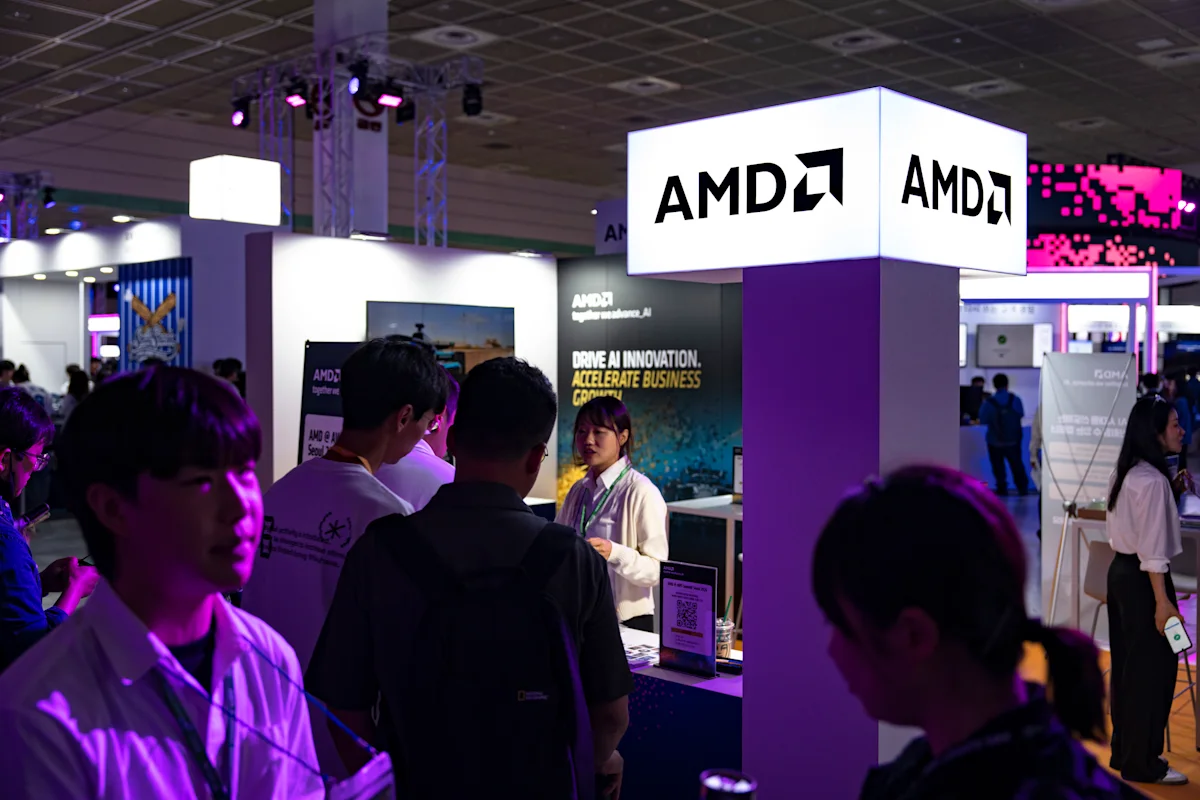
Semiconductor stocks staged a recovery in early Monday trading, reversing a sharp weekly decline that saw the PHLX Semiconductor Index fall more than 9%. AMD led the rebound with a 4% gain, supported by upgraded price targets from Rosenblatt and UBS, while memory leaders Micron and SK Hynix rose 5%. The rally occurred against a backdrop of investor anxiety regarding rising AI costs and intensifying competition from Chinese firms, notably Moonshot’s unveiling of a lower-cost AI model.
AMD was selected as a top pick by Rosenblatt, which raised its price target from $490 to $665. UBS also raised its AMD price target to $700, maintaining a Buy rating ahead of the company's annual AI conference this week. Other notable gainers included Nvidia, which rose more than 2%, alongside Broadcom, Intel, Marvell, and Qualcomm. Memory and storage stocks Sandisk also posted gains of more than 3%.
Semiconductor equipment makers saw modest gains, with ASML, Applied Materials, and Lam Research edging higher. The broad-based recovery in the chip sector followed a period of significant volatility, with institutional investors continuing to monitor capital expenditure trajectories closely as the industry navigates the high costs associated with advanced AI infrastructure.
The market movement coincides with growing scrutiny over the sustainability of current spending levels. Chinese tech firms, including Alibaba and startup Moonshot, have unveiled frontier AI models such as Qwen3.8 and Kimi K3, which challenge US dominance by offering comparable performance at lower costs. This development has raised questions about whether the industry's current capital expenditure path is sustainable if similar results can be achieved more cheaply, according to analysis from Deutsche Bank.
Investors are also watching for clues on AI infrastructure spending as Alphabet prepares to release its quarterly results. Bloomberg reported that Alphabet is behind schedule in delivering its Gemini 3.5 Pro model. Meanwhile, Taiwan Semiconductor Manufacturing Company guided to higher-than-anticipated capital expenditures, partly due to increased tool prices, further highlighting the financial intensity of the current AI race.