SEC plots internal governance reforms ahead of federal college sports legislation
Amid the introduction of the Protect College Sports Act, the Southeastern Conference is developing contingency measures to manage revenue sharing and compliance, citing concerns over operational freedoms and antitrust provisions.
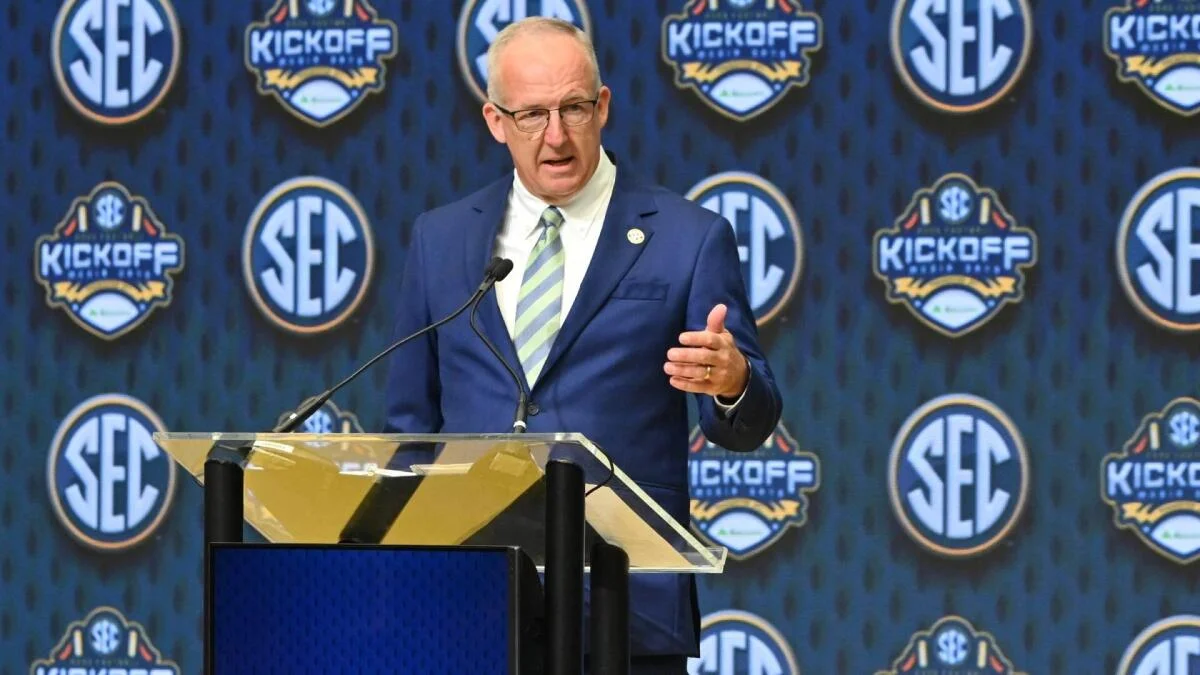
The Southeastern Conference is formulating internal contingency strategies in response to the introduction of the bipartisan Protect College Sports Act in the US Senate. Spearheaded by Senators Ted Cruz and Maria Cantwell, the legislation seeks to establish federal standards for name, image, and likeness (NIL) deals, impose eligibility caps, and restrict conference mergers, while providing antitrust safe harbours for the NCAA. The SEC, alongside the Big Ten, has not endorsed the bill, citing concerns regarding operational freedoms and specific antitrust provisions. In anticipation of potential regulatory shifts, SEC Commissioner Greg Sankey and athletic directors, including Georgia’s Josh Brooks, are exploring measures such as a conference-level "luxury tax" for revenue sharing and direct management of NIL approvals to navigate interactions with the newly established College Sports Commission.
The 111-page bill, released on Wednesday, would codify the House v. NCAA settlement and outline federal NIL standards, a five-year eligibility rule, and a narrow antitrust safe harbor. However, provisions amending the Sports Broadcasting Act of 1961 to allow schools to pool media rights across conference lines, alongside prohibitions on the SEC and Big Ten merging to form a "Super League," have deterred full endorsement. Sankey stated he did not believe the amendment to the Sports Broadcasting Act was necessary, noting that the bill appeared to reflect the voices of influence other than those of the major conferences.
Immediate concerns centre on enforcement for NIL deals, with Georgia athletic director Josh Brooks warning that the College Sports Commission will be overwhelmed by submitted contracts. Brooks suggested the SEC might seek to manage NIL deal approvals directly, working with the College Sports Commission rather than relying solely on its enforcement arm. He described the situation as a need for a conference-level supplementary arm to handle deal approvals, denials, and penalties, allowing the SEC to subject settlement terms to its own governance.
An even more provocative idea under discussion is a conference-level cap-relief system Brooks termed a "luxury tax." Without such a mechanism, conferences will be limited to $21.3 million in revenue sharing with players during the 2026-27 academic year, according to the House settlement terms. Brooks indicated that the amount of deals submitted to the commission in the coming months would be astronomical, necessitating a plan to manage over-the-cap money dedicated to basketball and football.
Despite their internal contingency plans, administrators recognise that federal intervention remains a potential permanent fix for legal exposure, though the bill’s timeline faces significant obstacles. The legislation requires 60 Senate votes and must navigate committee hearings before Congress enters summer recess in August. While the bill includes measures such as a federal NIL floor and a cap on agent fees at 5%, the SEC and Big Ten remain wary of the operational restrictions, with Sankey noting the difficulty of committing to a system when governance remains a contentious issue across the 138 schools involved.