SEC commissioner signals independence from CFP and federal legislation is a reality
The SEC and Big Ten oppose the Save College Sports Act, arguing it restricts revenue and expansion, while frustration mounts over Congressional regulation and competitive balance issues.
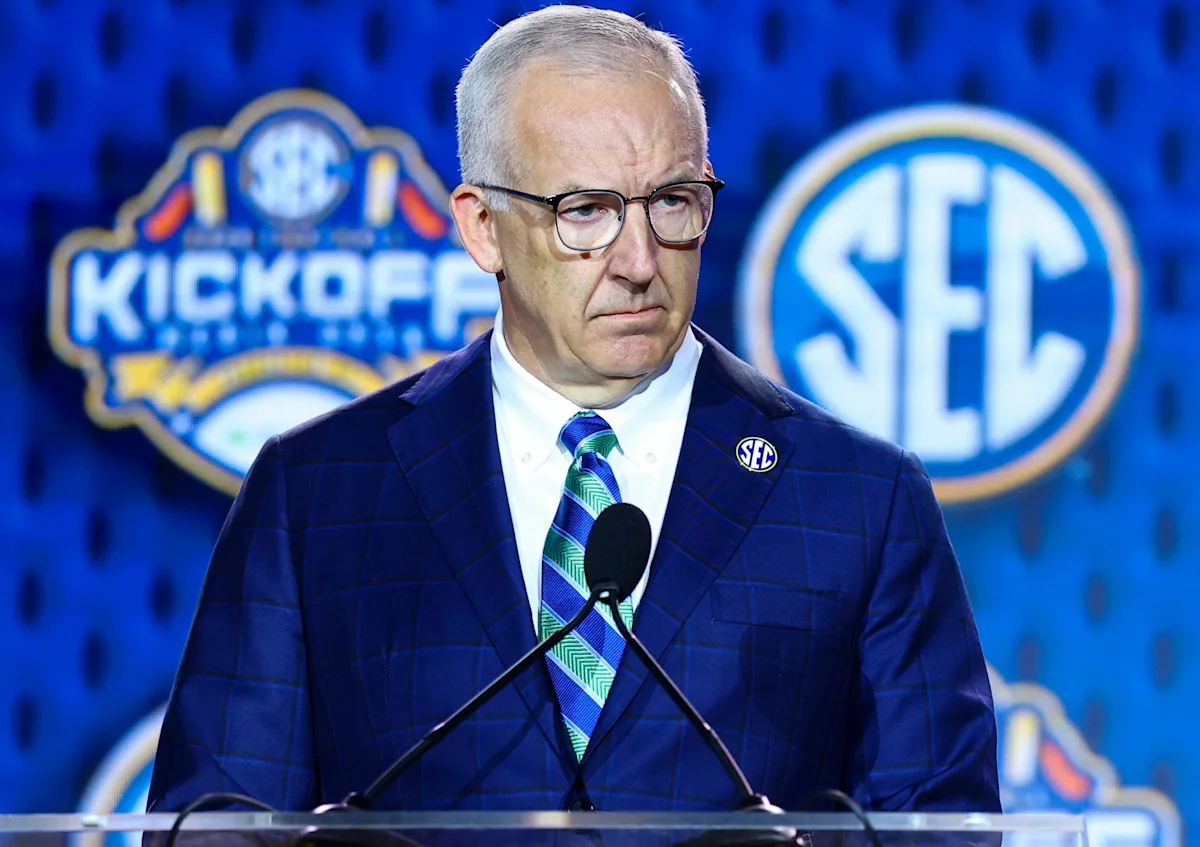
SEC Commissioner Greg Sankey declared at SEC Media Days in Tampa, Florida, that the possibility of the conference operating independently of the College Football Playoff (CFP) and the Save College Sports Act is a reality rather than a negotiation tactic. Sankey stated that the potential for the SEC to break away from the broader college sports structure is not a leverage point but a result of honest communication regarding the conference’s specific needs.
The commissioner cited significant frustrations driving this stance, including Congressional attempts to regulate media rights and expansion, the proposed 24-team playoff format, and the erosion of competitive balance through Name, Image, and Likeness (NIL) practices. Sankey emphasised that the drive for independence stems from a need for structural and financial models that work for member institutions, rather than a strategy to exert pressure on other college sports leaders.
Both the SEC and Big Ten conferences oppose the current version of the Save College Sports Act, arguing that it limits revenue potential and expansion opportunities. Sankey noted that while the SEC takes pride in its 13 national championships, the national organisation must function in a healthy manner to prevent further conflict and simmering discontent among member schools.
This position follows earlier statements made in May during the league’s spring meetings, where Georgia president Jere Morehead and Mississippi State president Mark Keenum publicly suggested that the SEC should consider operating independently. Sankey indicated that the sentiments expressed by these university leaders reflect a broader consensus within the conference regarding the unsuitability of current regulatory frameworks.
The SEC and Big Ten face a difficult decision if the legislation passes without their approval. Congress does not require the endorsement of these super conferences to push the bill through, leaving the leagues with the choice of complying with the act or proceeding independently. Sankey’s comments suggest that the conference is prepared to pursue the latter option if existing models fail to address their concerns regarding media rights and competitive integrity.