Seattle imposes one-year moratorium on hyperscale AI data centres
The measure, which distinguishes AI infrastructure from traditional data centres, requires a comprehensive study on utility rates and public health before permanent regulations are established.
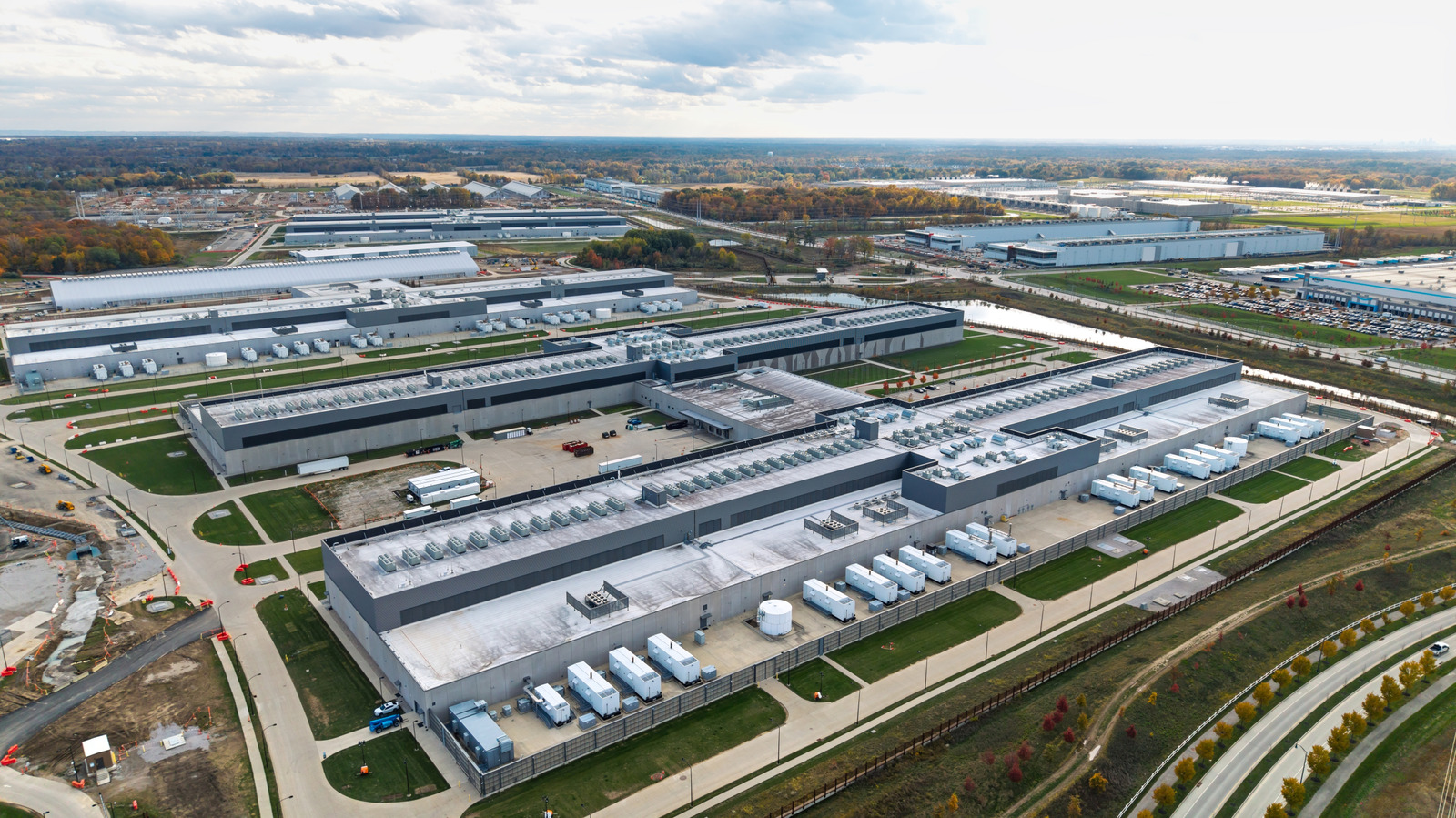
The Seattle City Council has unanimously approved a one-year moratorium on the construction of new large artificial intelligence data centres, a move that places a temporary halt on facilities consuming more than 20 megavolt-amperes of energy. The decision follows significant community concern regarding the strain such infrastructure places on local electricity grids, water resources, and the surrounding environment.
Mayor Katie Wilson is expected to sign the measure into law, having previously voiced strong support for the restriction. Her position was bolstered by reports indicating that five proposed large-scale projects could have consumed up to one-third of Seattle’s current electricity demand. Residents have also raised specific objections regarding the noise pollution and water usage associated with these cooling-intensive facilities.
While Seattle’s metropolitan area hosts major technology firms including Microsoft, Amazon, Google, and Meta, these corporations do not currently operate data centres within the city limits. Consequently, the moratorium primarily impacts third-party developers and infrastructure providers rather than the tech giants themselves. An amendment introduced by a council member explicitly differentiates these AI hyperscale facilities from traditional data centres, ensuring the regulation targets the specific energy profile of modern AI infrastructure.
In addition to the ban, the council approved a separate bill mandating a detailed study into the impacts of AI data centres on utility rates, land use, local employment, and public health. This research is intended to inform the development of permanent regulations. The moratorium is set for one year but includes provisions for a potential six-month extension, allowing time for the city to assess the broader economic and social implications of the industry.
The move aligns Seattle with a growing number of jurisdictions, including Denver, New Orleans, and Minneapolis, that have implemented temporary or permanent bans on new data centre construction. During the council proceedings, more than 50 individuals testified, including members of Amazon Employees for Climate Justice. These advocates urged the inclusion of renewable energy requirements and labour protections, calling for a halt to the industry’s strategy of rapid expansion before comprehensive regulatory frameworks are established.
