Screwworm outbreak in Texas strains cattle supply, weighs on meat processor stocks
Federal officials confirm New World screwworm cases in Texas, triggering declines in Tyson Foods and JBS USA shares while beef prices remain elevated amid drought and feed cost pressures.
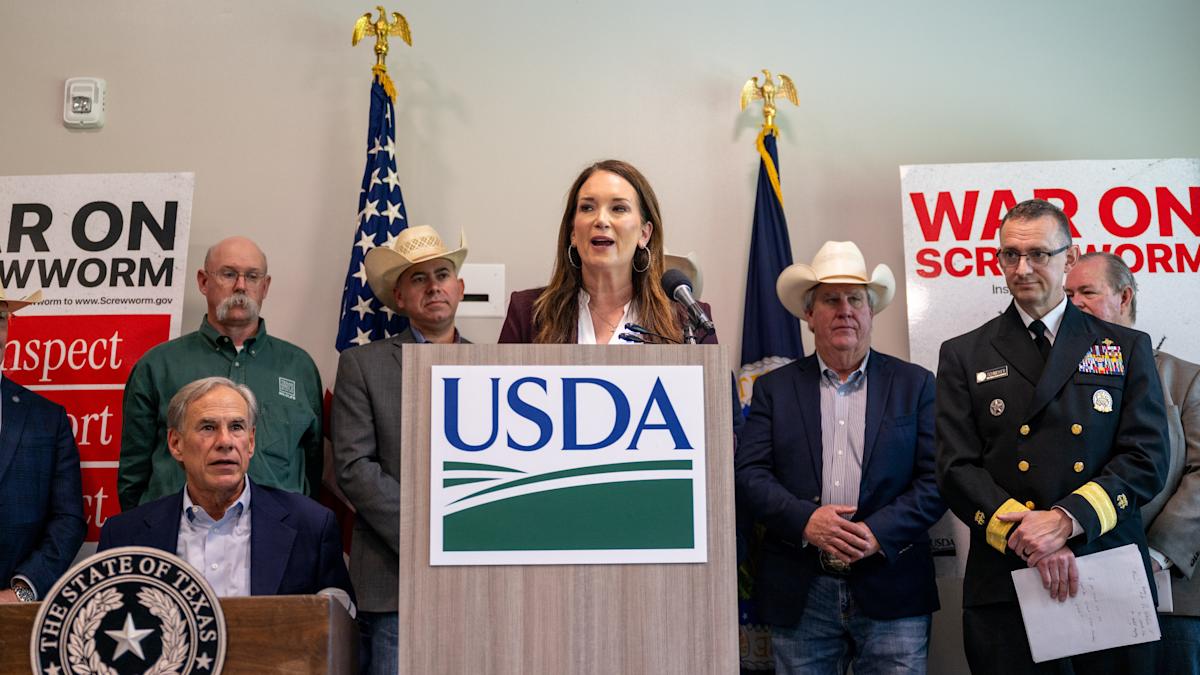
Federal authorities have confirmed multiple cases of the New World screwworm in Texas, marking the first occurrence of the parasitic fly in the United States since 2016. The larvae of the screwworm burrow into the living tissue of warm-blooded animals, posing a direct threat to livestock health and disrupting the movement of cattle. While the US Department of Agriculture has confirmed that the parasite poses no risk to human food safety or prepared meat products, the outbreak has introduced significant volatility into the agricultural supply chain.
The resurgence of the screwworm exacerbates existing vulnerabilities in the US cattle inventory, which is currently near historic lows. The sector has been constrained by prolonged drought, elevated feed costs, and previous herd reductions. According to an analysis from the Dallas Federal Reserve, beef prices have climbed 57 per cent since 2020 as supplies tightened. The additional constraint imposed by the parasite threatens to further restrict the flow of cattle to processing facilities, potentially driving consumer prices higher.
Equity markets reacted swiftly to the news, with shares of major meat processors falling as traders assessed the risk of tighter supplies and increased operational costs. Tyson Foods and JBS USA saw their stock prices decline following the confirmation of cases. Tyson has previously forecast substantial losses in its beef segment, highlighting the difficulty of securing sufficient cattle at profitable margins in the current environment.
The situation is further complicated by existing disruptions to the livestock industry, including restrictions on cattle imports from Mexico, which historically supplied more than one million head annually to US markets. These compounding factors have left retailers such as Kroger, Walmart, and Costco facing potential margin pressure. As wholesalers and processors pass on higher costs, these retailers must balance absorbing expenses against the risk of weakening sales in a market where consumers are increasingly sensitive to grocery inflation.
Conversely, the outbreak has provided a boost to animal health companies involved in disease control. Elanco Animal Health’s stock rose after reports emerged that the USDA had utilised its national stockpile of treatments, which includes products from the company. The USDA is currently deploying sterile-fly programs to contain the spread, and investors are watching the sector for potential gains from increased spending on livestock protection and surveillance.