Screwworm infestations surge in Mexico as human cases exceed 500
New World screwworm reinvansion has led to over 500 human cases and six deaths since 2025, with weekly infection rates tripling in 2026.
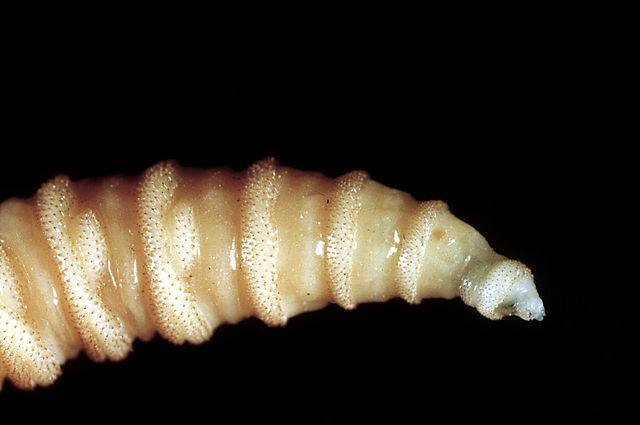
Human cases of New World screwworm infestation in Mexico have surpassed 500 between 2025 and 2026, resulting in six deaths, according to a study published this week in Emerging Infectious Diseases. The research, which analysed 202 confirmed cases reported between April 2025 and March 2026, reveals a sharp escalation in infection rates, rising from approximately three per week in 2025 to just over nine per week in 2026.
The New World screwworm fly, which was declared eradicated in Mexico in 2003 and Panama in 2006, reinvaded the region in 2024 following a breach of the biological barrier in Panama in 2022. Since that breach, the parasite has caused more than 36,000 animal cases in Mexico, with nearly 2,000 active cases recorded as of 5 August 2026, according to the US Department of Agriculture.
The study found that infestations predominantly affect older adults with underlying health conditions. Of the 202 patients analysed, 77 percent had one or more comorbidities, most commonly diabetes, alcoholism, cancer, and skin conditions. The mean age of patients was 61 years, ranging from 12 to 93, with male patients accounting for 72 percent of the cases.
Anatomically, the lower limbs were the most frequent site of infestation, affecting 55 percent of patients, followed by the head and neck. Researchers suggested that the higher incidence among men may be linked to occupational exposure, outdoor activities, contact with animals, or delayed healthcare seeking, though the exact drivers remain under investigation.
Six deaths were reported among the confirmed human cases, with the average age of deceased patients at 79.5 years. Only one death was directly attributed to the parasite, while others involved complications such as septic shock and respiratory failure in patients with pre-existing conditions including cancer and encephalitis.
The US Department of Agriculture has reported 45 animal cases in Texas since June 2026, but no human cases have been identified in the United States to date. However, researchers warned that the northward spread of the fly necessitates proactive surveillance and coordination between human health, animal health, and agricultural sectors to prevent further expansion.