Scottish Labour leader prioritises holding SNP to account over Reform UK distraction
With Labour and Reform UK tying for second place, the Scottish Labour leader insists the focus must remain on governing performance rather than election results
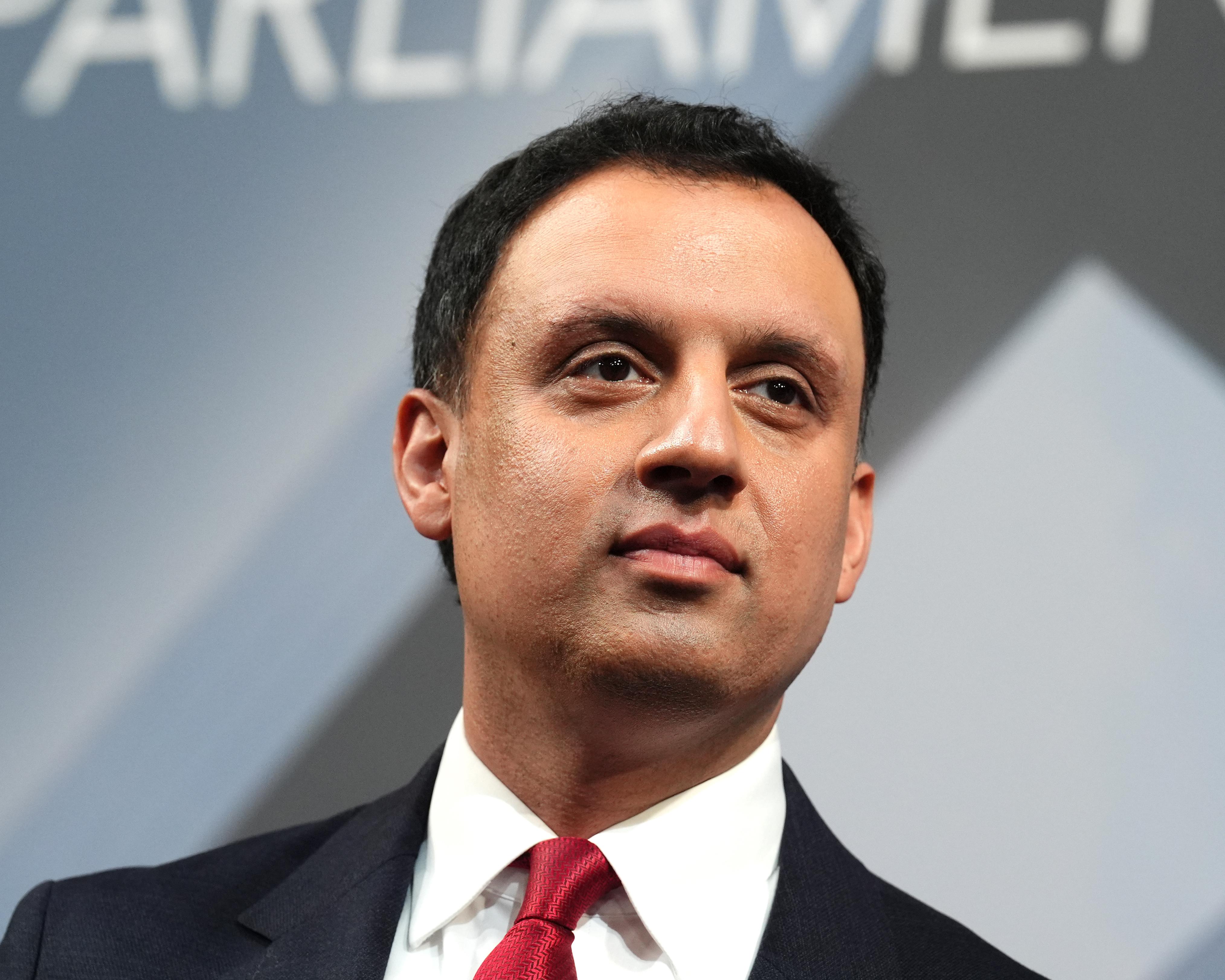
Scottish Labour leader Anas Sarwar has issued a stark warning to Holyrood leaders, urging them not to allow political discourse to become dominated by Nigel Farage and Reform UK following the recent elections. Speaking to the press, Sarwar emphasised that his primary objective is to ensure a credible opposition exists to hold the SNP government to account, rather than engaging in rhetoric that serves to divide the electorate.
The election results saw the Scottish National Party secure a fifth successive victory with 58 MSPs, yet the party remains seven seats short of an overall majority. In a significant shift for the political landscape, Labour suffered its worst result since devolution in 1999, tying for second place with Reform UK, with both parties securing 17 MSPs each. Despite this outcome, Sarwar stated he does not believe Reform's intention is to create division, though he maintains that the new party cannot deliver the accountability required of a government watchdog.
While the SNP and other established parties have ruled out working with Reform UK, the new parliamentary arithmetic has altered procedural dynamics at Holyrood. Reform UK's leader, Malcolm Offord, now holds the right to ask the opening questions at First Minister's Questions, a privilege previously reserved for the main opposition. Furthermore, speculation continues regarding potential Conservative defections that could further alter the balance of power, although Offord has reiterated that no further Tory members will join the Reform group.
In response to these developments, SNP leader John Swinney confirmed plans to table a draft bill next week calling for Holyrood to be granted powers to stage a second independence referendum. Swinney noted that while the document will be tabled, it will carry no legal force while the UK government refuses to grant the necessary authority. This move underscores the ongoing constitutional friction, even as Swinney points to previous successful budget negotiations with the Greens and Liberal Democrats as evidence of constructive governance.
Tensions remain high as Reform's deputy leader in Scotland, Thomas Kerr, accused both Sarwar and Swinney of engaging in political posturing before the new parliament has even convened. Kerr described the current focus on election results as anti-democratic, while Sarwar dismissed the criticism, stating he intends to focus on delivering for people in Scotland. Meanwhile, SNP MSP Màiri McAllan warned that the UK is hurtling towards Nigel Farage as prime minister, emphasising the need for Scots to have the power to protect themselves.
As the new parliament prepares to convene, the political focus shifts from campaign promises to legislative reality. With the SNP unable to pass legislation alone, the coming weeks will test the ability of the government to negotiate with smaller parties while maintaining its core mandate. Sarwar's insistence on a credible opposition suggests that the Labour party intends to play a central role in scrutinising the administration, regardless of the distraction posed by the rise of Reform UK.