Sberbank pitches sovereign AI to Global South as Russia seeks market share amid sanctions
First Deputy CEO Alexander Vedyakhin outlines strategy to deploy compact, specialised models trained on local content, leveraging Chinese hardware to bypass Western restrictions.
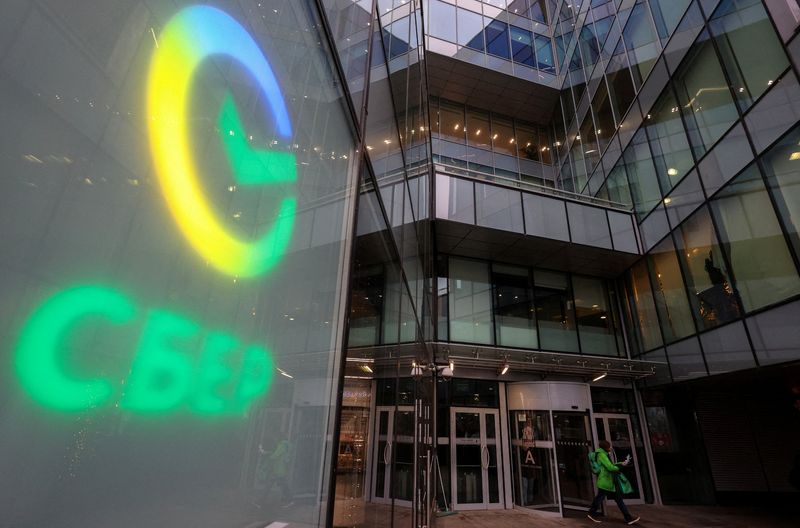
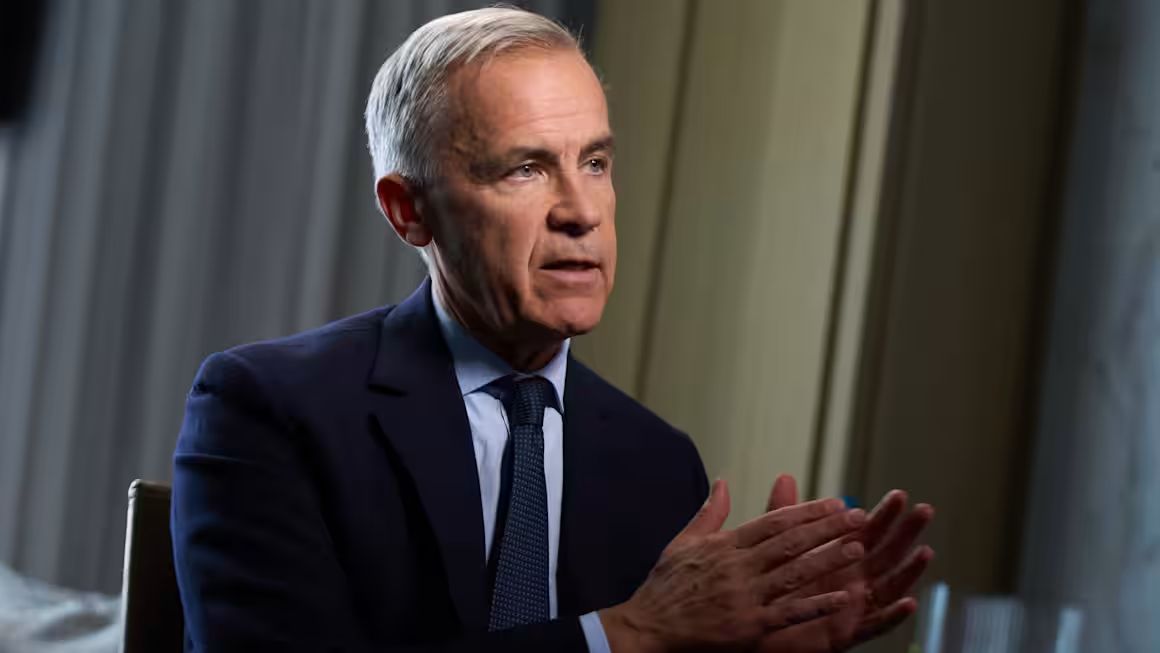
Russia’s Sberbank is actively marketing its GigaChat artificial intelligence model to nations across the Global South, positioning the technology as a solution for countries concerned about privacy and content alignment in Western systems. First Deputy CEO Alexander Vedyakhin told Reuters that emerging economies in Latin America, Africa, Asia, and Oceania have expressed significant demand for sovereign AI capabilities that reflect local values, even if the underlying technology is not yet on par with global leaders.
The bank acknowledges that its current models are slower and less sophisticated than competitors such as Anthropic, Grok, or DeepSeek. However, Vedyakhin argued that for many users, the priority is not maximum intelligence but rather value alignment and data sovereignty. He noted that states seeking to develop independent AI infrastructure often lack the resources to build such systems from scratch, creating a market opportunity for pre-trained, locally relevant models.
To overcome hardware limitations imposed by Western sanctions, Sberbank and Russian IT giant Yandex are developing their flagship models, GigaChat and YandexGPT, using Chinese-made chips. This strategic pivot follows discussions between Sberbank CEO German Gref and President Vladimir Putin during a visit to China in May, where the purchase of alternative hardware was discussed to power domestic AI development.
Vedyakhin highlighted a strategic shift within the industry towards compact, specialised models rather than ever-larger generalist systems. He stated that the sector has reached a saturation point regarding the number of parameters in large language models, arguing that users require solutions to specific problems at a reasonable cost rather than billions of unused parameters. This approach aims to reduce resource consumption, with examples such as credit scoring models that do not require the capacity to cite poetry or understand rare dialects.
The executive estimated that artificial intelligence could boost productivity in certain sectors of the Russian economy by between 11% and 22%, potentially redistributing labour to areas such as construction. To demonstrate practical application beyond theoretical demonstrations, Sberbank is testing an AI-powered tiling robot. While the robot currently requires human preparation of surfaces, it represents a move towards utilising AI for tangible industrial tasks.
Amidst these developments, President Vladimir Putin recently claimed that Russia is one of only three countries globally capable of developing homegrown AI models for sensitive government and defence operations. However, Vedyakhin pointed out that US chipmaker Nvidia maintains dominance partly because its CUDA software has become an industry standard, creating significant barriers for alternative hardware manufacturers attempting to establish new ecosystems.