Satirical arcade game removed from DC War Memorial after public appearance
The pixel-art title, which critiques the Trump administration through RPG mechanics, was moved following its debut at the memorial site.
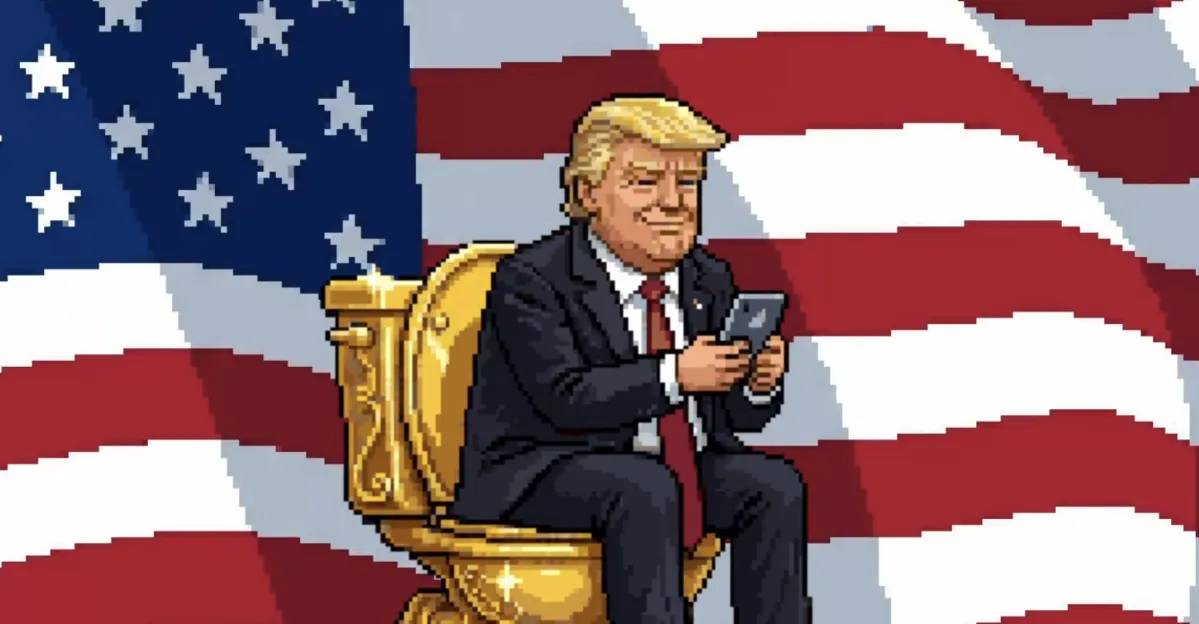
A satirical arcade game titled 'Operation Epic Furious: Strait to Hell' has been relocated from the DC War Memorial to Busboys and Poets on 14th Street. The cabinets, created by the DC-based art collective The Secret Handshake, appeared at the memorial on 15 May 2026 before being moved shortly thereafter. The game is available to play both as physical arcade units and via the web.
The title allows players to control Donald Trump in a conflict with Iran, set against a backdrop of heightened geopolitical tensions including recent discussions on the Strait of Hormuz. The gameplay involves guiding the president through the White House to locate Kid Rock’s helicopter, with the stated objective to “ROCK Iran back to the stone ages.”
The game features pixel art depictions of current administration figures, including Secretary of Defense Pete Hegseth, FBI Director Kash Patel, and Health and Human Services Secretary RFK Jr. The narrative structure draws comparisons to classic RPGs, with players exploring maps and interacting with non-player characters whose dialogue reflects the administration’s real-world activities.
Mechanically, the title utilises a battle system inspired by franchises such as Final Fantasy and Pokémon. Trump’s political power is visualised as a health bar that proves difficult to deplete, regardless of the enemies encountered, which include schoolchildren and “weak on crime” Pope Leo XIV. The game also features a soundtrack and dark humour, including sequences where drone strikes obliterate sections of the overworld map.
The Secret Handshake, known for previous satirical projects including a statue of Trump and Jeffrey Epstein displayed near the Capitol Building last autumn, described the work as a critique of the Trump administration and a tribute to classic RPGs. Players at the site noted the game’s commentary on free expression and historical suffering, with some viewing it as a testament to protections afforded by the First Amendment.