S&P 500 denies SpaceX early inclusion, citing profitability rules
The decision contrasts with Nasdaq 100 and FTSE Russell adjustments, leaving pension fund exposure to the space firm uncertain while analysts question its valuation.
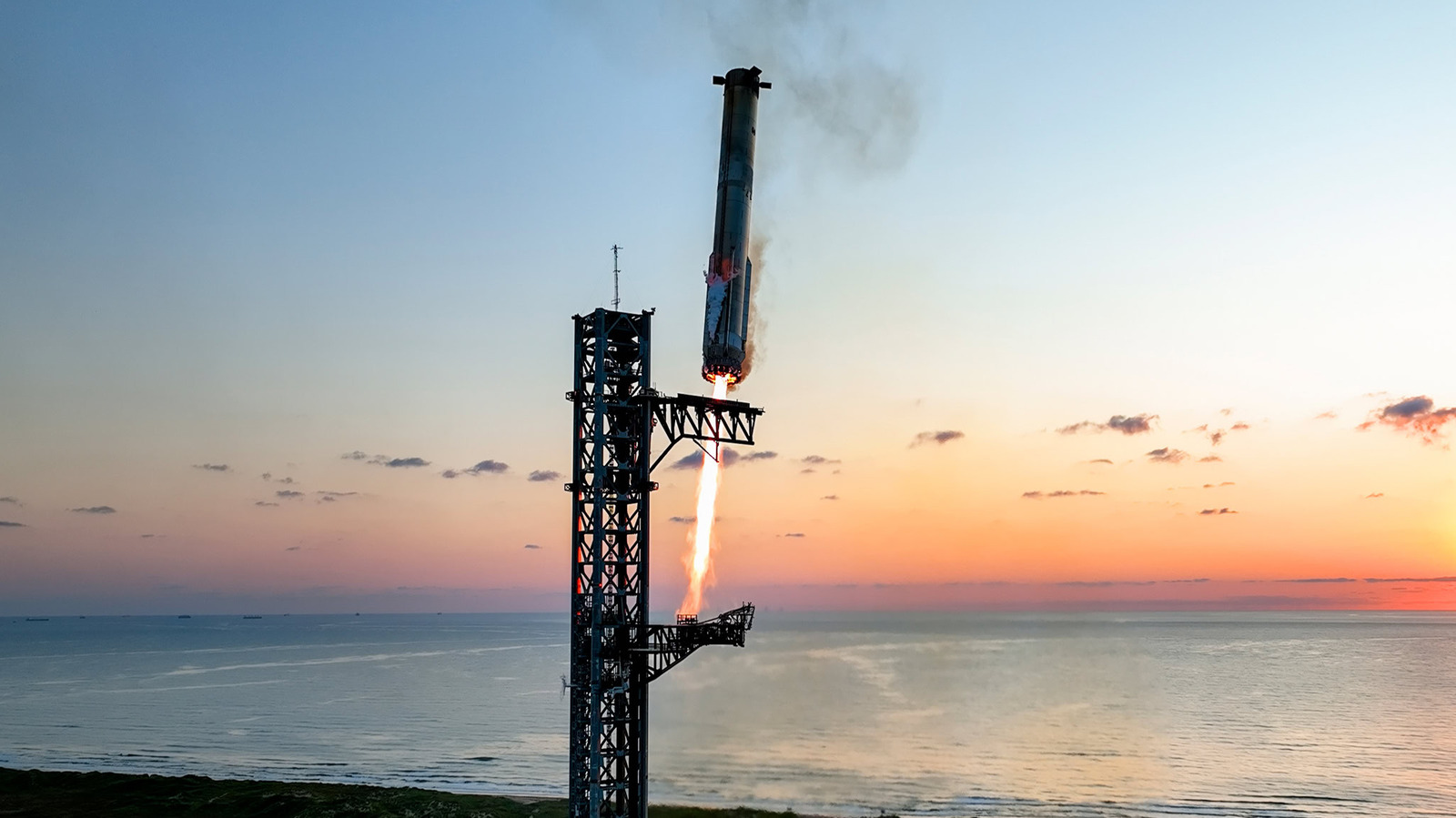
The S&P 500 has declined to relax its inclusion criteria to allow SpaceX to join the index ahead of its standard timeline, forcing the company to wait at least 12 months before being considered for addition. The decision stems from the index’s strict requirement that firms demonstrate profitability over the four most recent quarters, a benchmark SpaceX fails to meet according to its own S-1 SEC filing, which confirms the company has never turned a profit.
This stance stands in sharp contrast to other major benchmarks, such as the Nasdaq 100 and FTSE Russell, which have adjusted their rules to permit SpaceX’s entry within 15 and five trading days, respectively. The divergence has raised concerns among investors regarding potential forced exposure in pension plans, as large funds tracking those more permissive indexes may be compelled to hold SpaceX stock regardless of individual investor preference.
Bloomberg Intelligence analyst James Seyffart expressed surprise at the S&P 500’s position, noting that as the market leader, the index has the capacity to buck the current trend of relaxing rules for MegaCap companies. While other indices have moved to accommodate the space giant, the S&P 500’s refusal highlights a continued adherence to traditional financial metrics despite the evolving landscape of high-growth, unprofitable tech firms.
Valuation concerns further complicate the prospect of immediate inclusion. Research firm Morningstar has rated SpaceX as significantly overvalued, estimating its true worth at $780 billion compared to a potential market capitalisation of $1.78 trillion. The firm advised that the initial public offering does not offer the best entry point for retail investors, citing the disparity between current pricing and fundamental value.
Analysts also point to competitive pressures in the artificial intelligence sector as a potential headwind for SpaceX’s profitable divisions. xAI is viewed as a possible anchor on units such as Starlink, given the heavy competition from rivals including OpenAI, Gemini, and Anthropic. While the S&P 500’s decision may delay forced pension exposure, the fast-track entry into other indexes means critics argue the move still benefits early investors at the potential expense of regular retail buyers.
