S&P 500 denies expedited entry for SpaceX, OpenAI and Anthropic
S&P Dow Jones Indices rejects rule changes for 'MegaCap' firms, citing market risks despite concessions in lower-profile benchmarks and rival indices.
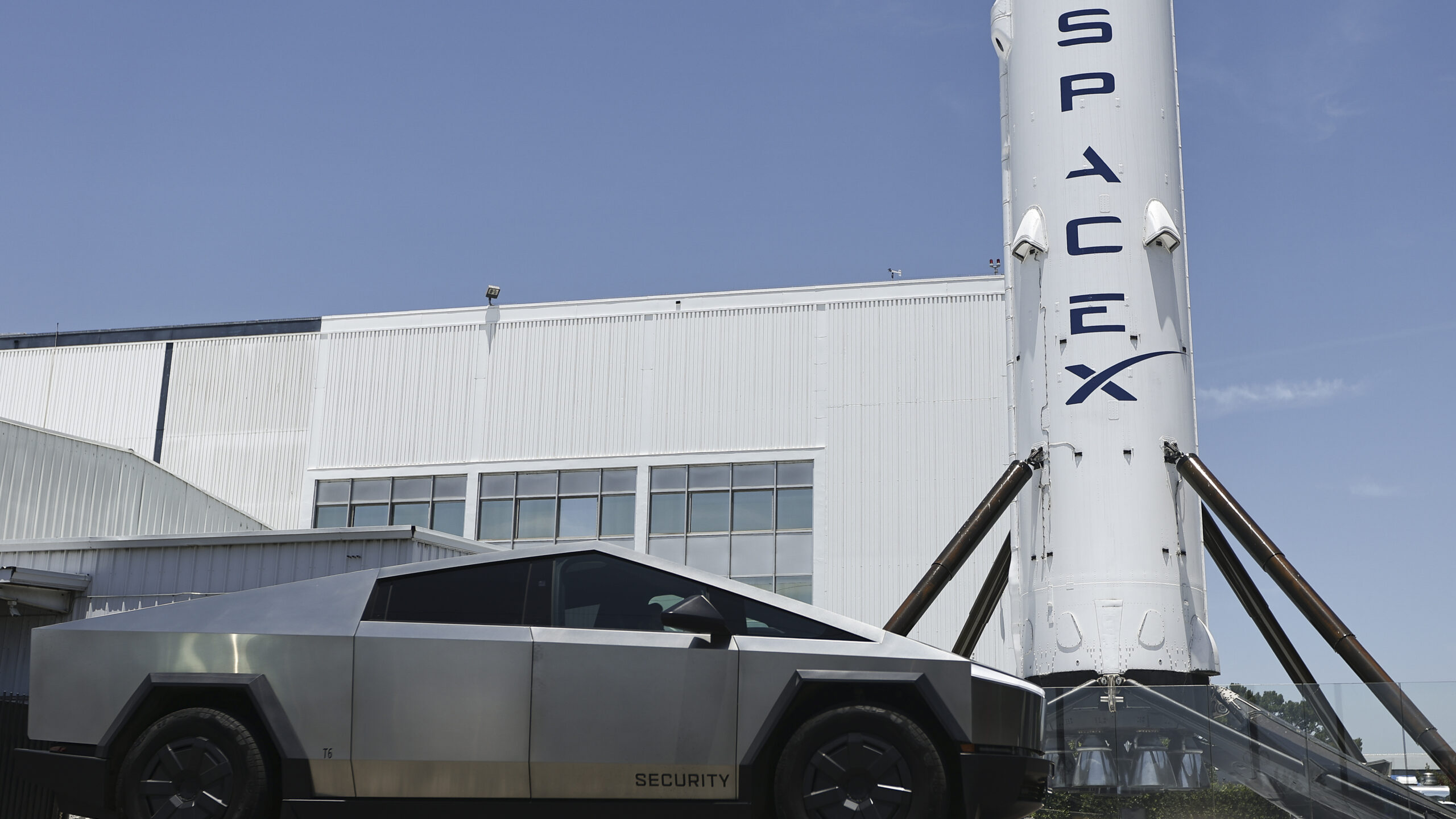
S&P Dow Jones Indices has refused to waive standard eligibility criteria for SpaceX, blocking the company’s request for accelerated entry into the S&P 500 index. The decision, finalised on 4 June following a month-long consultation on rules for "MegaCap" companies, maintains requirements for profitability, a 12-month seasoning period, and a 10% investable weight factor. This stance contrasts with competitors like Nasdaq and FTSE Russell, which granted accelerated entry to similar high-profile firms.
The index provider maintained requirements for profitability, a 12-month seasoning period, and minimum investable weight, citing concerns over market risks and the unprofitable status of the companies. Proposed changes that were rejected included shortening the seasoning period from 12 to six months, waiving the 10% investable weight factor (IWF) requirement, and waiving profitability screens for the latest quarter and previous four quarters. Such rule changes would have accommodated SpaceX’s plan to only offer approximately 3% of its IPO shares to public investors, and the fact that SpaceX is currently unprofitable with a growing debt load that has reached $29 billion because of its spending spree on AI infrastructure.
While other indices such as Nasdaq and FTSE Russell granted accelerated entry, the S&P 500 ruled that no changes would be made to its standard criteria. Nasdaq changed its rules to allow SpaceX entry into the Nasdaq-100 Index within 15 trading days, and FTSE Russell granted accelerated entry to the Russell Top 500 Index after the fifth trading day following an IPO. The S&P Dow Jones Indices did make a concession for "lower-profile benchmarks" such as the S&P Total Market Index and Dow Jones US Total Stock Market Index, allowing faster entry for IPOs into those specific indices.
The decision prevents SpaceX, along with AI firms OpenAI and Anthropic, from gaining immediate access to billions in passive investment funds. Bloomberg Intelligence estimates that swift S&P 500 entry would have triggered $14 billion in passive fund buying for SpaceX, $8 billion for OpenAI, and $4.6 billion for Anthropic. This is because $7.5 trillion in passively managed funds—popular among both individual investors and institutional investors—follow the S&P 500 by purchasing shares of companies according to their proportional representation in the S&P 500 index.
The denial of accelerated S&P 500 entry for SpaceX comes just days after Morningstar analysts described SpaceX as having been "significantly overvalued" in the lead-up to its IPO. Morningstar analysts valued SpaceX at $780 billion, which is less than half of its $1.75 trillion IPO goal, citing Starlink and rocket launch strengths as primary valuation drivers. Even after the standard yearlong wait, SpaceX, Anthropic, and OpenAI may struggle to deliver the consistent profitability necessary to qualify for the S&P 500.
