Sanders Questions AI Job Impact After Meta Cuts 8,000 Roles
Meta Platforms laid off nearly 10 per cent of its workforce while announcing a $115 billion to $135 billion capital expenditure plan for 2026, prompting fresh political scrutiny over automation’s effect on employment.
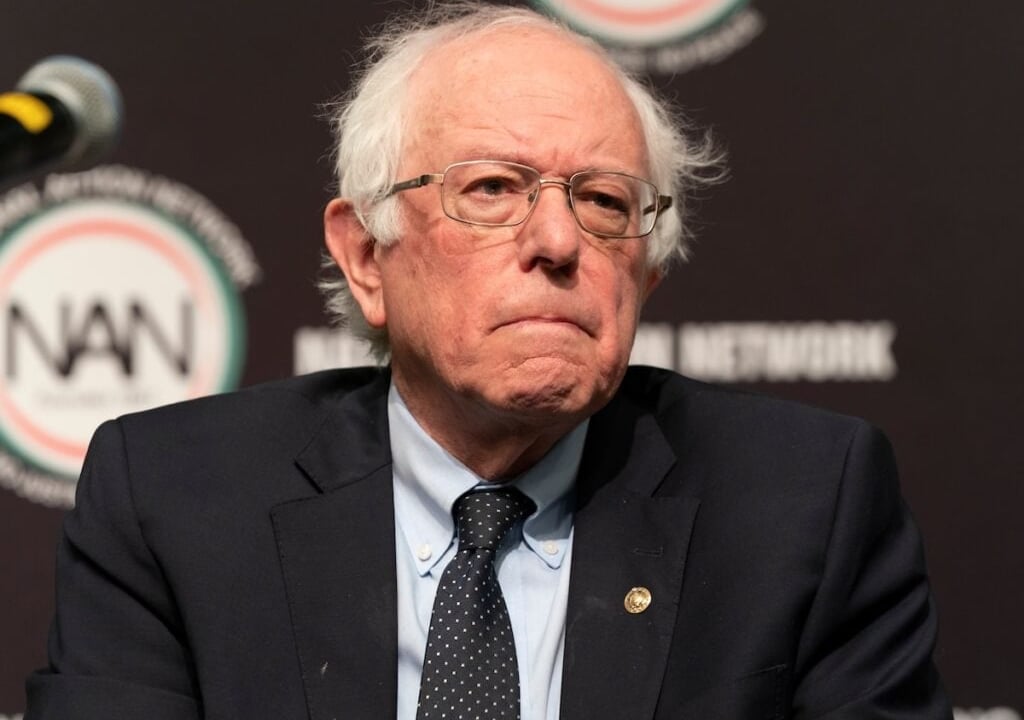
US Senator Bernie Sanders has intensified his scrutiny of Meta Platforms following the company’s announcement that it would eliminate approximately 8,000 positions, representing nearly 10 per cent of its total workforce. The cuts coincide with a significant acceleration in the social media giant’s artificial intelligence infrastructure, raising questions about the long-term security of jobs across the broader technology sector.
In a post on X, Sanders, the ranking member of the Senate Health, Education, Labor and Pensions Committee, directly challenged Meta chief executive Mark Zuckerberg. He asked whether the willingness to reduce 10 per cent of staff indicated a broader trend where AI would displace average American workers. "If Mark Zuckerberg is willing to lay off 10% of his own employees, what do you think his AI will do to the average American worker?" Sanders wrote.
The layoffs bring Meta’s workforce down from more than 78,000 employees at the end of 2025. The company had previously outlined plans to eliminate thousands of roles and close roughly 6,000 open positions to shift resources toward AI development. Additionally, Meta informed staff that approximately 7,000 workers would be reassigned to newly created AI-focused organisations, signalling a structural pivot rather than a simple reduction in headcount.
Financially, the shift is underpinned by substantial capital commitments. Zuckerberg stated that Meta expects to spend between $115 billion and $135 billion in 2026, with a significant portion of that investment directed toward AI and data centre expansion. This spending spree is part of an intensifying competition with rivals such as OpenAI, Alphabet Inc., and Anthropic, as the industry races to build out generative AI capabilities.
During an April town hall, Zuckerberg acknowledged the uncertainty surrounding the long-term economic impact of these technologies. He noted that he did not have a "crystal ball plan" for how the next three years would unfold, admitting that no one in the industry could fully predict the outcome of such rapid technological integration.
As part of his committee role, Sanders has invited workers affected by AI and robotics to submit personal stories via a Senate outreach form. The initiative aims to gather firsthand accounts of how automation is reshaping the labour market, providing political leverage for potential regulatory responses. Meta did not immediately respond to requests for comment regarding the layoffs or the senator’s criticism.