Samsung’s Galaxy Watch 8 introduces antioxidant index via thumb scan
The South Korean tech giant has added a health tracking tool to its latest wearable hardware, allowing users to gauge fruit and vegetable intake through a five-second measurement.
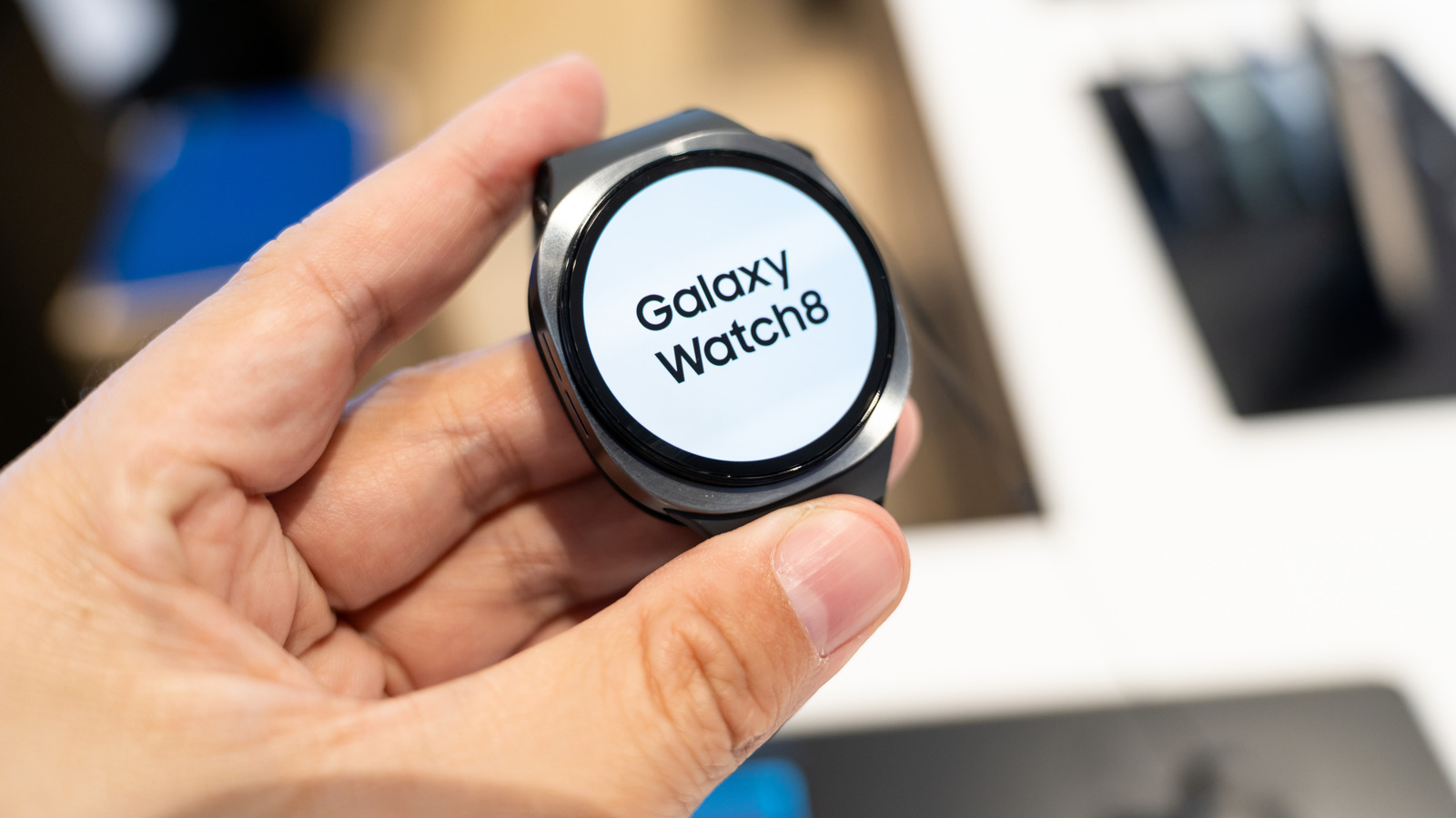
Samsung has integrated an Antioxidant Index feature into the Galaxy Watch 8, enabling users to estimate carotenoid levels through a five-second thumb scan. The device utilises multi-wavelength absorption spectroscopy to analyse skin absorption and reflection of light, providing a score from 0 to 100 as an indicator of fruit and vegetable intake. Samsung states the feature is not intended for medical diagnosis and has not published specific accuracy margins for consumers.
The technology employs yellow, blue, purple, and green LED lights to illuminate the skin, with photodiodes detecting reflected light to estimate carotenoid concentration. Carotenoids are pigments with antioxidant properties found in yellow, orange, and green produce that accumulate in the skin. Samsung notes that while the score reflects dietary intake, it can also be influenced by UV exposure, alcohol consumption, and stress levels.
The thumb was selected for measurement because finger skin minimises melanin interference, and thumb pressure temporarily restricts blood flow to reduce hemoglobin interference. Samsung validated the sensor against Raman spectroscopy, a laboratory technique used to measure skin carotenoids, and compared results with blood tests, food logs, and clinical data from several hundred participants. A 2023 randomised controlled trial involving Samsung researchers reportedly found a strong correlation between reflection spectroscopy and Raman spectroscopy for measuring skin carotenoids.
Despite the technical validation, the feature lacks a consumer-facing accuracy percentage or margin of error. Engadget’s review noted that scores can be stubborn; one reviewer’s score dropped by two points after a deliberate dietary change and ranged from 56 to 0 on subsequent days. Samsung indicates it typically takes two to three weeks for carotenoids from food to accumulate in the skin to detectable levels.
The Antioxidant Index is listed for the Galaxy Watch 8, Watch 8 Classic, and Galaxy Watch Ultra, but is absent from the Galaxy Watch 7 specifications. Samsung has not explained this discrepancy, nor has it specified why the feature is present on newer models but not the previous generation. The Galaxy Watch 8 already tracks heart rate, sleep, and workouts, adding this new metric to its existing health monitoring suite.