Samsung unveils world-first wearable technology to predict fainting with high accuracy
The Galaxy Watch 6 has demonstrated the ability to forecast vasovagal syncope up to five minutes in advance, though regulatory hurdles remain before consumer release.
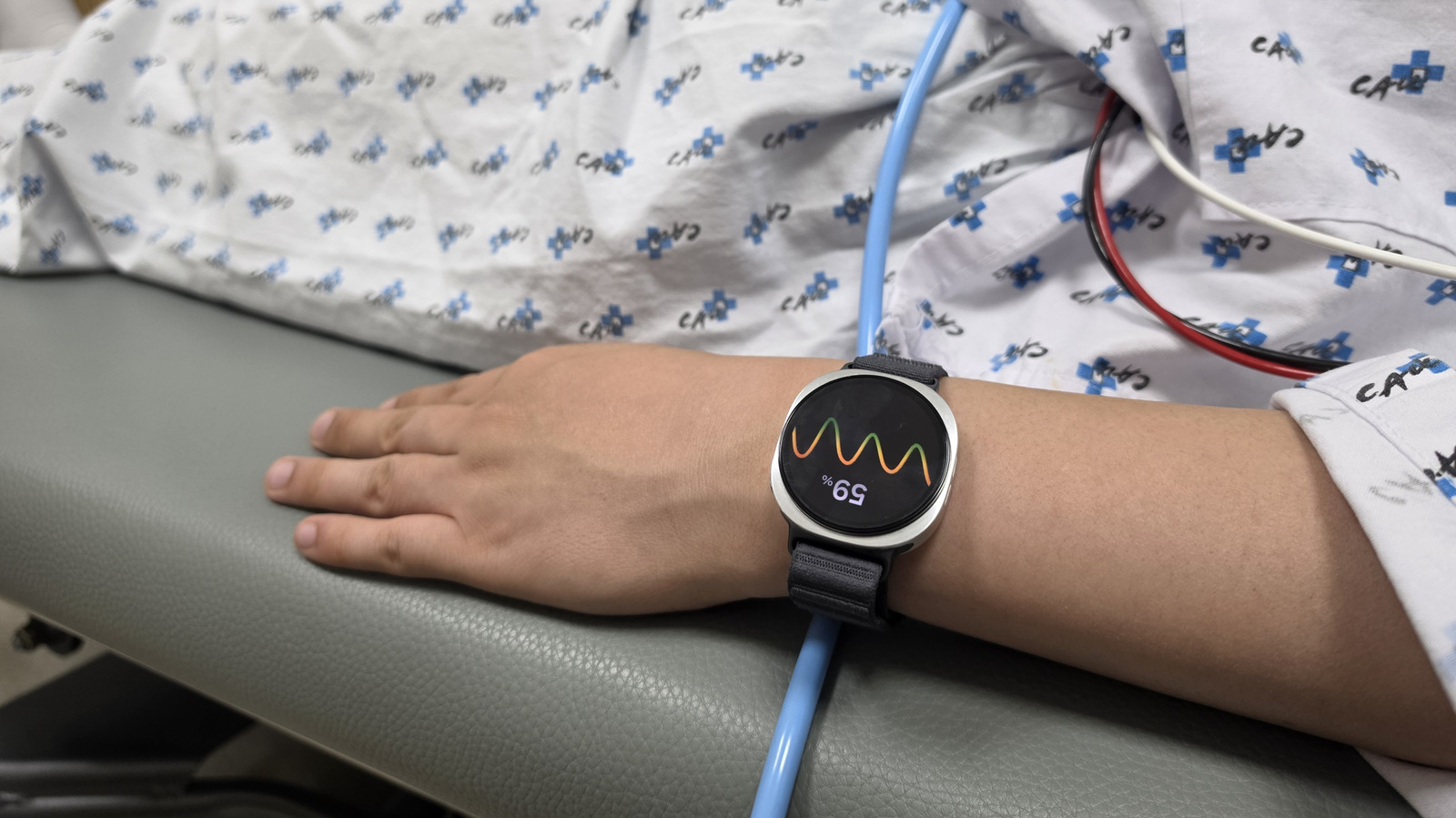
Samsung has announced a significant advancement in wearable health monitoring, revealing that its Galaxy Watch 6 can predict vasovagal syncope with high accuracy. Developed in collaboration with Chung-Ang University Gwangmyeong Hospital in Korea, the technology represents a world-first breakthrough designed to transform healthcare from a post-care model to one focused on prevention. The study, detailed in a paper published by the European Heart Journal, utilises an artificial intelligence algorithm to analyse heart rate variability data captured by the watch's photoplethysmography sensor.
Vasovagal syncope, the most common form of fainting, occurs when heart rate and blood pressure drop abruptly, often triggered by emotional distress or the sight of blood. While the condition is rarely dangerous in itself, the sudden loss of consciousness can lead to severe secondary injuries, such as concussions from falls. With up to 40 per cent of people experiencing these episodes at some point, the potential for preventative intervention is significant. The joint research team evaluated 132 patients with suspected symptoms during induced fainting tests to validate the new monitoring technique.
During the clinical trials, the system successfully forecasted impending fainting episodes up to five minutes in advance. The technology achieved an overall accuracy of 84.6 per cent, with a clinically meaningful sensitivity of 90 per cent and a specificity of 64 per cent. This level of precision allows users to potentially move into a safe position or call for help before losing consciousness, thereby mitigating the risk of injury associated with sudden falls.
Jongmin Choi, head of Samsung's Health R&D Group, stated that the study exemplifies how wearable technology can accelerate the implementation of personalised, preventative health solutions. Samsung describes this development as a pivotal step forward, noting that the company intends to push the boundaries of what wearables can achieve in proactive health management. The Galaxy Watch 8 already offers a suite of health alert features, including sleep apnea detection, blood oxygen monitoring, and heart irregularity detection, building upon this foundation of biosignal analysis.
Despite the promising results, Samsung has not yet confirmed when or if this specific feature will be released to Galaxy Watch users. The company emphasised the need for caution regarding legal and regulatory issues before implementing such sensitive detection capabilities in a consumer device. Until regulatory clearances are obtained, the technology remains a demonstrated capability rather than an available function for the general public.
