Samsung partners with MGH to test Galaxy Watch 8 for GLP-1 muscle loss
The Massachusetts General Hospital Diabetes Research Center will lead a study of 100 adults to see if the Galaxy Watch 8 can effectively monitor and mitigate muscle loss associated with GLP-1 receptor agonists.
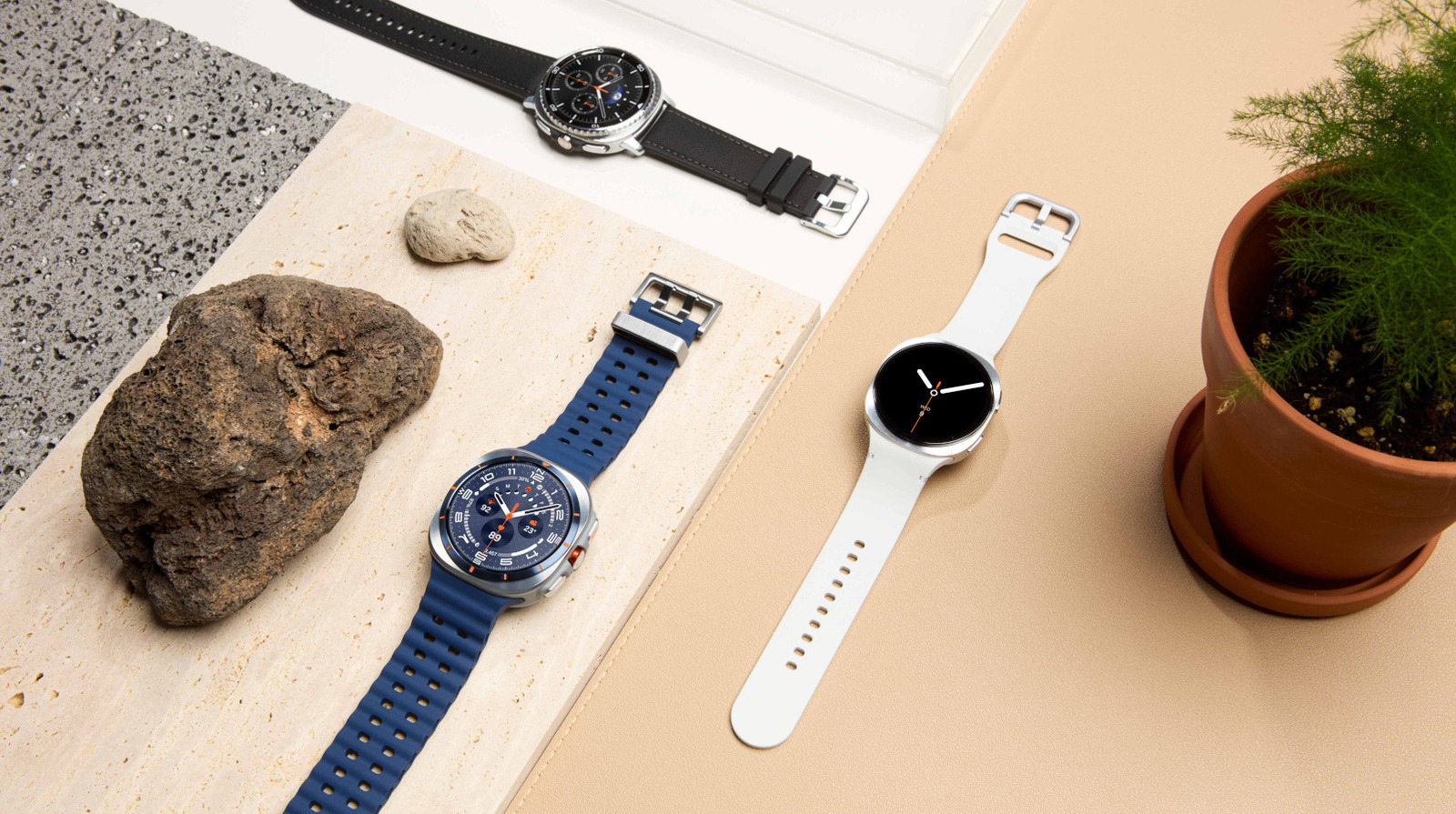
Samsung has entered a partnership with the Massachusetts General Hospital (MGH) Diabetes Research Center to investigate whether the Galaxy Watch 8 can help prevent muscle loss in patients undergoing treatment with GLP-1 medications such as Ozempic. The trial addresses a significant clinical concern regarding the long-term health impacts of these widely used drugs, which are increasingly popular for managing Type 2 diabetes and weight loss.
According to a poll by KFF, nearly one in five adults in the United States has used a GLP-1 drug at some point. However, medical experts warn that a substantial portion of the weight lost through these treatments can be lean muscle mass rather than fat. Dr. Melissa Putman from the MGH Diabetes Research Center, who is leading the study, noted that muscle loss can increase the risk of cardiovascular disease and lower basal metabolic rates, potentially leading to future weight regain.
The study will involve 100 adults who are just beginning GLP-1 treatment, divided into two distinct groups. One group will use the Galaxy Watch 8 to monitor their body composition via Bioelectrical Impedance Analysis, track physical activity, and receive personalised exercise guides. The control group will receive standard medical guidance typically provided to patients on these medications.
Researchers will utilise clinical-grade Dual-energy X-ray Absorptiometry (DXA) scans as the gold standard to measure changes in body composition. By comparing the outcomes between the two groups, the team aims to determine the feasibility of using wearable biometric data to support muscle preservation. The goal is to provide clinicians with a holistic view of patient health, allowing for timely, data-driven adjustments to care plans.
This initiative builds on Samsung’s history of collaborating with academic institutions to enhance health monitoring features. Previous partnerships include work with Stanford University on sleep apnea detection and Chung-Ang University Gwangmyeong Hospital in Korea on predicting fainting. The current study focuses specifically on the intersection of wearable technology and the emerging side effects of GLP-1 therapies.
