Samsung Electronics workers launch 18-day strike over bonus dispute
More than 47,000 employees walk out following the collapse of negotiations and the rejection of a government-proposed mediation deal.
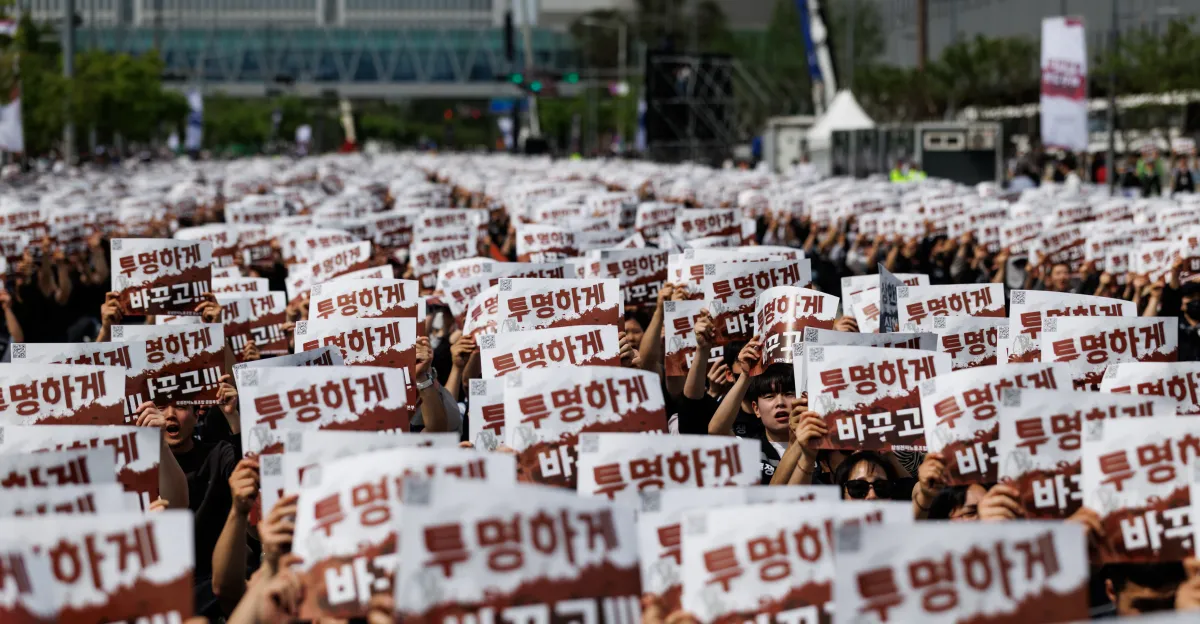
More than 47,000 Samsung Electronics workers have commenced an 18-day strike at domestic chipmaking plants, following the breakdown of negotiations regarding performance bonus payments. The industrial action, which began on Thursday, is confined to South Korean facilities but has raised concerns about potential constraints on memory chip supply during a period of record company profits.
The union is demanding performance bonuses equivalent to 15 percent of the company’s operating profit, alongside the removal of a cap that limits annual wage bonuses to 50 percent. Samsung management rejected a mediation deal proposed by South Korea’s National Labor Relations Commission, despite the union agreeing to the proposal. The specific details of the rejected deal have not been made public.
The strike occurs while Samsung Electronics, the world’s largest producer of memory chips, is navigating tight supply conditions. The walkout adds pressure to an already constrained production environment, with the company’s output being critical to global semiconductor markets.
South Korean government officials had urged a resolution in the days leading up to the strike. Prime Minister Kim Min-seok reportedly warned that the government may invoke an “emergency adjustment” to prevent the strike, citing potential harm to the economy and daily life. Under South Korean law, such an adjustment can be used when disputes pose a risk to the national economy or public welfare.
Samsung Electronics remains a dominant force in the South Korean economy, accounting for approximately 23 percent of the country’s exports and 26 percent of its total market capitalisation, according to CNBC. The company’s largest export contribution underscores the scale of the industrial action and the potential macroeconomic implications of the dispute.
