Samsara deploys AI-driven fleet data to transform municipal infrastructure management
Chicago and other cities sign up for the platform, which uses cameras on commercial trucks to identify potholes and other hazards faster than traditional 311 call centres
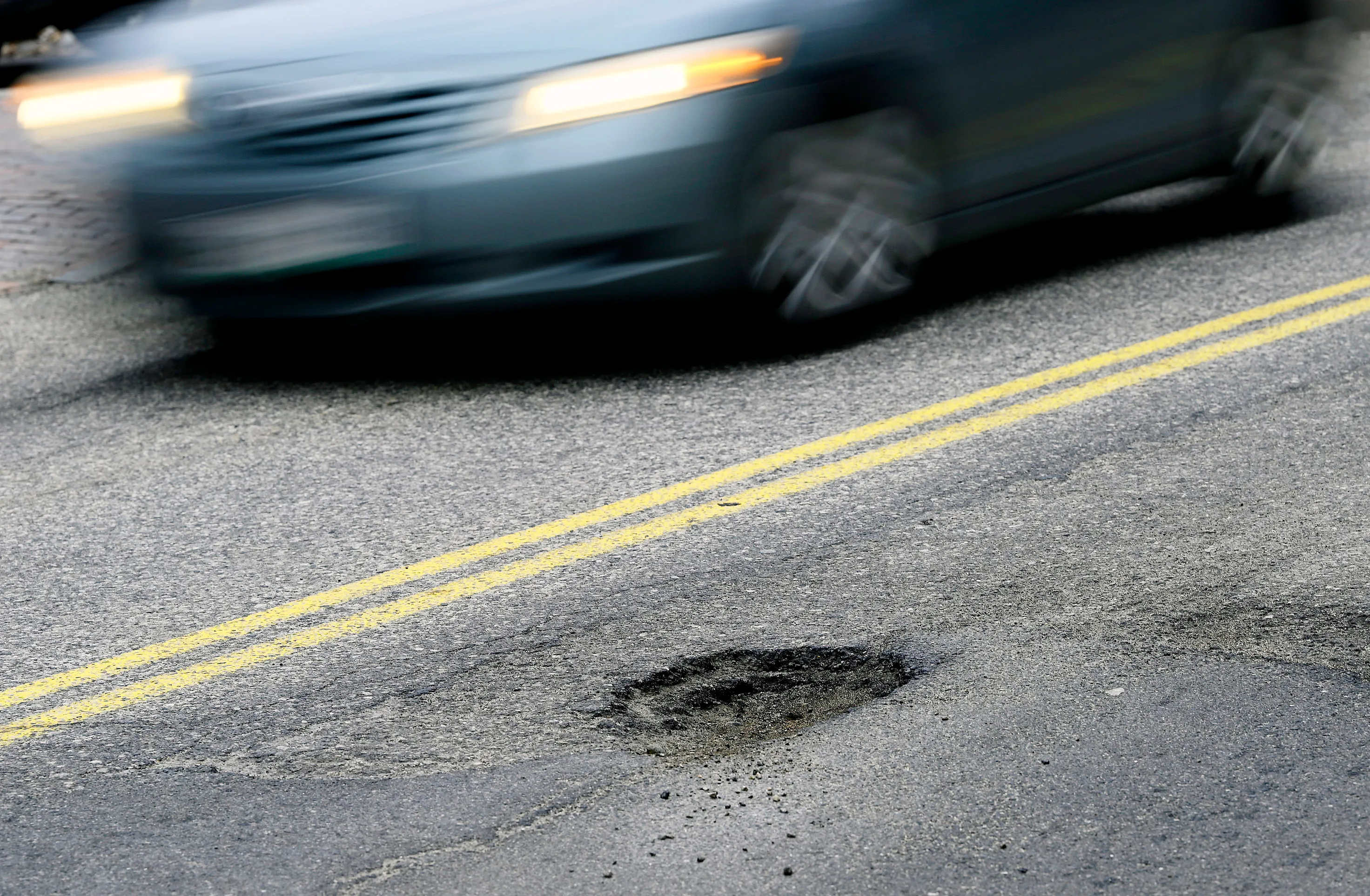
Fleet management company Samsara has launched Ground Intelligence, an artificial intelligence system designed to detect and monitor potholes across municipal road networks. The technology leverages cameras already mounted on millions of commercial trucks to identify various types of road damage and assess their rate of deterioration. By utilising this high volume of commercial vehicles, the platform aims to replace reactive municipal reporting with a proactive model of infrastructure management.
The system functions as a dashboard that proactively populates warnings on a map, allowing cities to pull anonymised footage to confirm citizen reports. Samsara has secured contracts with multiple cities, including a new agreement with Chicago, to utilise this data for planning road repairs. This approach contrasts with historical methods that rely heavily on 311 calls or worker dispatches, which Land describes as generating significant noise rather than clear signals.
Johan Land, senior vice president of product at Samsara, stated that the goal is to move away from fixing potholes one by one to planning a single sweep to address all identified issues in an area. The company believes its fleet of equipped trucks is significantly more prevalent than Waymo's robotaxi fleet, allowing for greater data volume and repeat data collection from the same locations. This density enables the system to gauge how potholes change over time, providing cities with a clearer picture of infrastructure decay.
Beyond potholes, the platform offers future capabilities to identify other municipal issues such as graffiti, broken guardrails, and low-hanging power lines. Land noted that the system can observe anything relevant to a city or the private sector, expanding the utility of the existing surveillance network. This shift represents a strategic move to leverage the vast data Samsara has collected over the last decade for driver monitoring, theft prevention, and liability claims.
In related developments, Samsara announced a product called Waste Intelligence to help waste management companies confirm trash and recycling pickup. The company also introduced a ridership management offering for bus drivers, which can alert operators to unexpected boarding events or create a digital manifest for school buses. These offerings further demonstrate the company's intent to maximise the value of its moving municipal surveillance network.
The launch comes as potholes remain a persistent municipal issue that costs cities millions and poses risks to businesses. Scooter company Lime, for instance, listed them as an official risk in its recent IPO filing. While Waymo and Waze recently announced a pilot program to share pothole data with local governments, Samsara argues its commercial fleet provides a more scalable solution for cities seeking to modernise their infrastructure planning.
