Sam Smith finds sanctuary in New York and queer love on new album Hazel Eyes
Relocating to the US three years ago allowed Smith to escape judgment and reconnect with their roots, resulting in an album centred on a queer love story and personal healing.
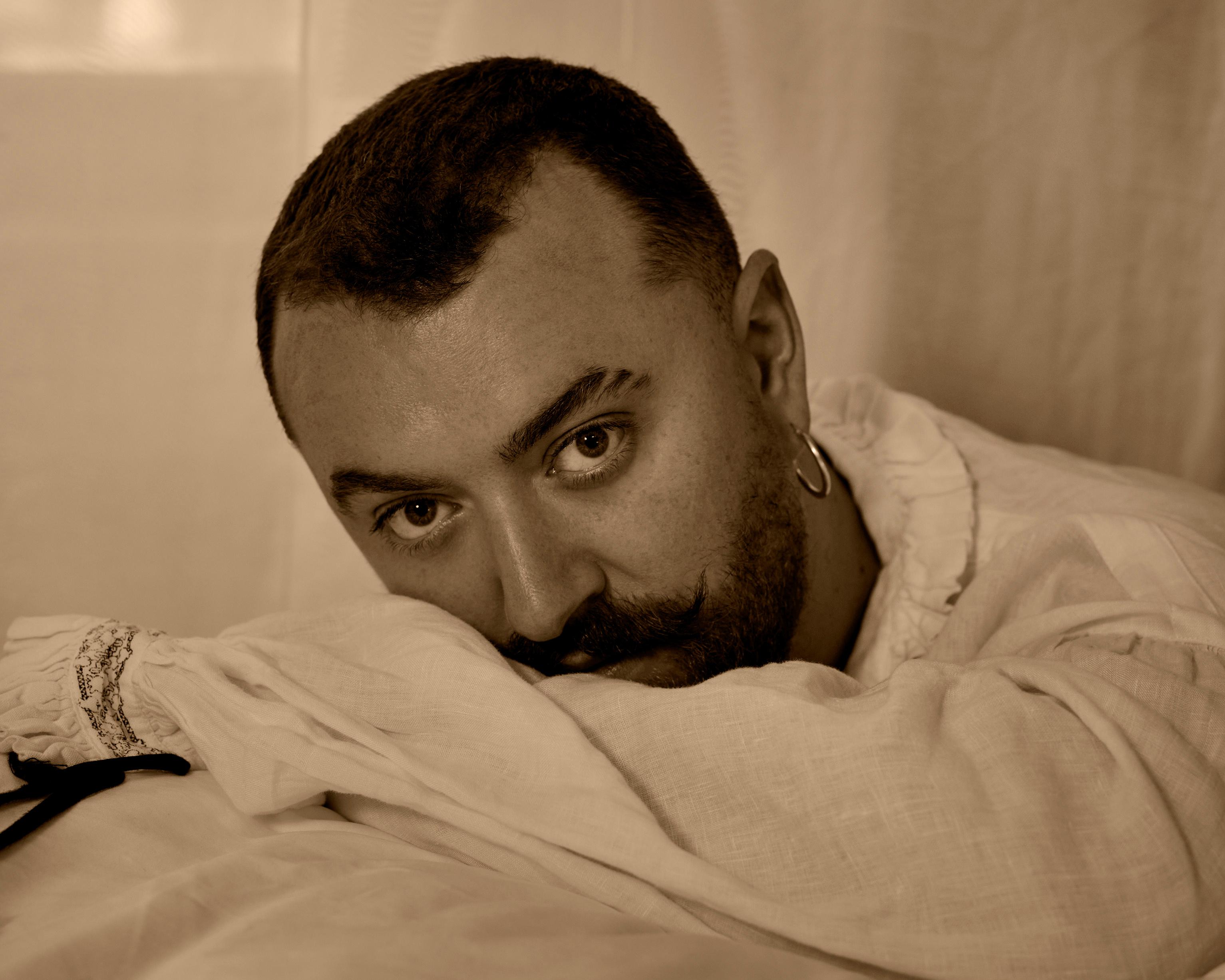
British singer Sam Smith has released their fifth studio album, Hazel Eyes, marking a distinct pivot towards singer-songwriter roots and a narrative centred on queer love. In an interview with The Guardian, Smith discussed the record’s creation, their journey towards mental health, and the decision to relocate to New York City three years ago to be with their fiancé, designer Christian Cowan.
Smith describes New York as a sanctuary from the judgment faced in the UK, noting that the move allowed them to walk the streets without fear. This shift in environment coincided with a desire for safety and comfort in their music, moving away from the controversies and media storms that surrounded their previous album, Gloria. The relocation was not framed as an escape, but as a proactive step towards happiness and stability.
The new album features a dusky, 1970s blend of blues, folk, R&B, and outlaw country, written through looser, more intimate collaborations. Smith worked closely with Simon Aldred and the Dap-Kings, embracing a process that included late-night studio sessions, a stark contrast to the structured, professional writing rooms of their past. This approach allowed Smith to co-produce the album for the first time, asserting their identity not just as a vocalist, but as a complete artist.
Reflecting on their career, Smith acknowledged the loneliness of being a young queer artist and the traumatic aspects of early fame. After a period of depression and disengagement from fans, therapy helped them reclaim the joy of public interaction. The artist now prioritises emotional truth over chart performance, having found that the chase for global competition was creatively stunting and unhealthy for their well-being.
Beyond their music, Smith highlighted the establishment of the Pink House foundation two years ago to support the LGBTQ+ community. The charity allows the artist to focus on the realities of queer life and hope for a better future, rather than dwelling on legacy. Smith also finds comfort in New York’s cultural history, citing the West Village gay bar Julius’ as a favourite haunt where some of the album was written, and where their photos now hang alongside industry icons.