Saber Interactive CEO denies AI replaced writers for Rideshare Stimulator
Matthew Karch insists the narrative was human-written, with artificial intelligence limited to an experimental mode, but Sacco rejects the distinction as a replacement of labour.
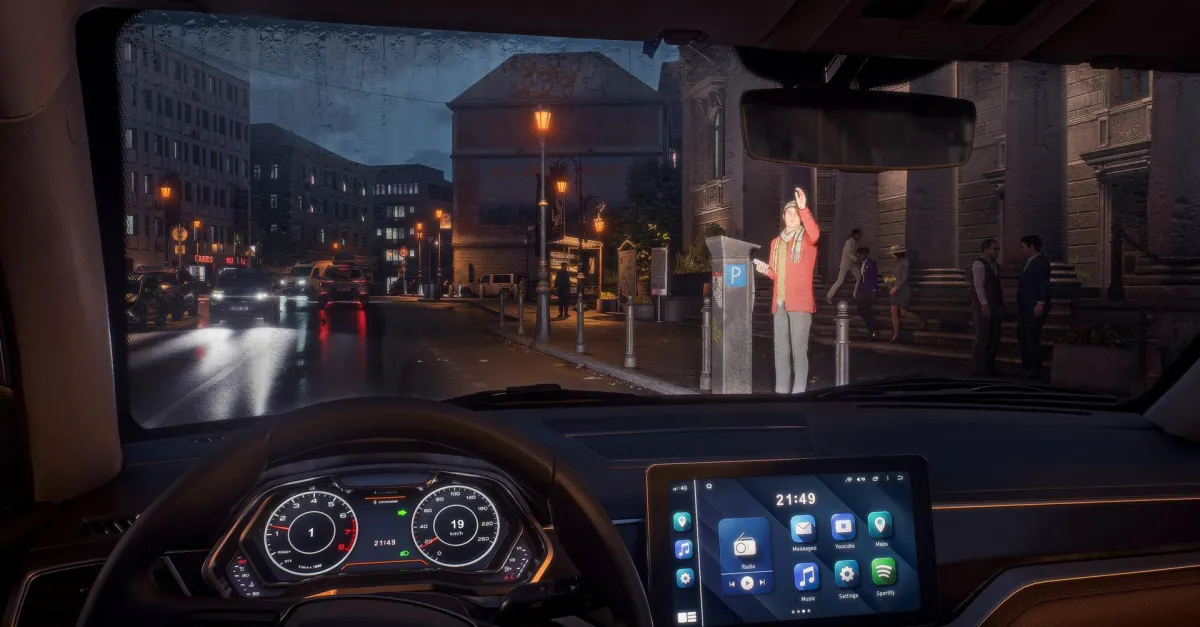
Saber Interactive chief executive Matthew Karch has refuted allegations that the studio replaced human writers with artificial intelligence for its upcoming title, Rideshare Stimulator. The denial follows claims by former lead writer Stella Sacco, who asserted on Bluesky that she was superseded by ChatGPT midway through the project and that all passenger voices were generated by AI.
Sacco, who posted her allegations on the social media platform, stated that either the company changed direction or failed to disclose AI usage on its Steam listing. Her comments were directed at Saber Interactive and its development partner, Unigine, following the release of teaser trailers that appeared to feature AI-generated writing and audio for simulated riders in the immersive driving simulation.
In a statement provided to The Verge, Karch maintained that neither Saber nor Unigine had replaced writers with AI. He clarified that the game’s story was written entirely by humans, with artificial intelligence employed solely for an experimental free-ride mode. Karch explained that this mode incorporates AI by necessity to handle the infinite number of passengers required for the gameplay loop.
The CEO also emphasised Saber’s long-standing use of technology to enhance gameplay and non-player character behaviour since the company’s founding in 2001. Addressing broader industry concerns, Karch noted that despite the sector contracting, Saber continues to hire and that none of its more than 3,000 employees need to worry about being replaced by AI.
Sacco responded to Karch’s statement with indignation, rejecting the separation between human-written stories and AI-generated text. She argued that if rides she wrote exist alongside those generated by computers, she was still replaced, referencing a conversation with the company in December 2023 regarding AI usage. Sacco contended that the company cannot claim writers wrote the story while admitting computers wrote the text, describing the position as an attempt to have it both ways.
The Rideshare Stimulator Steam listing currently does not include any disclosure regarding the use of generative AI. The dispute highlights ongoing tensions within the gaming industry regarding the integration of AI tools and the transparency required when such technology impacts creative labour.