Saban’s invitation reshapes Leaf’s path from prison to advocacy
A single invitation from Nick Saban catalysed Ryan Leaf’s transition from a former NFL quarterback to a national voice on addiction recovery and opioid awareness.
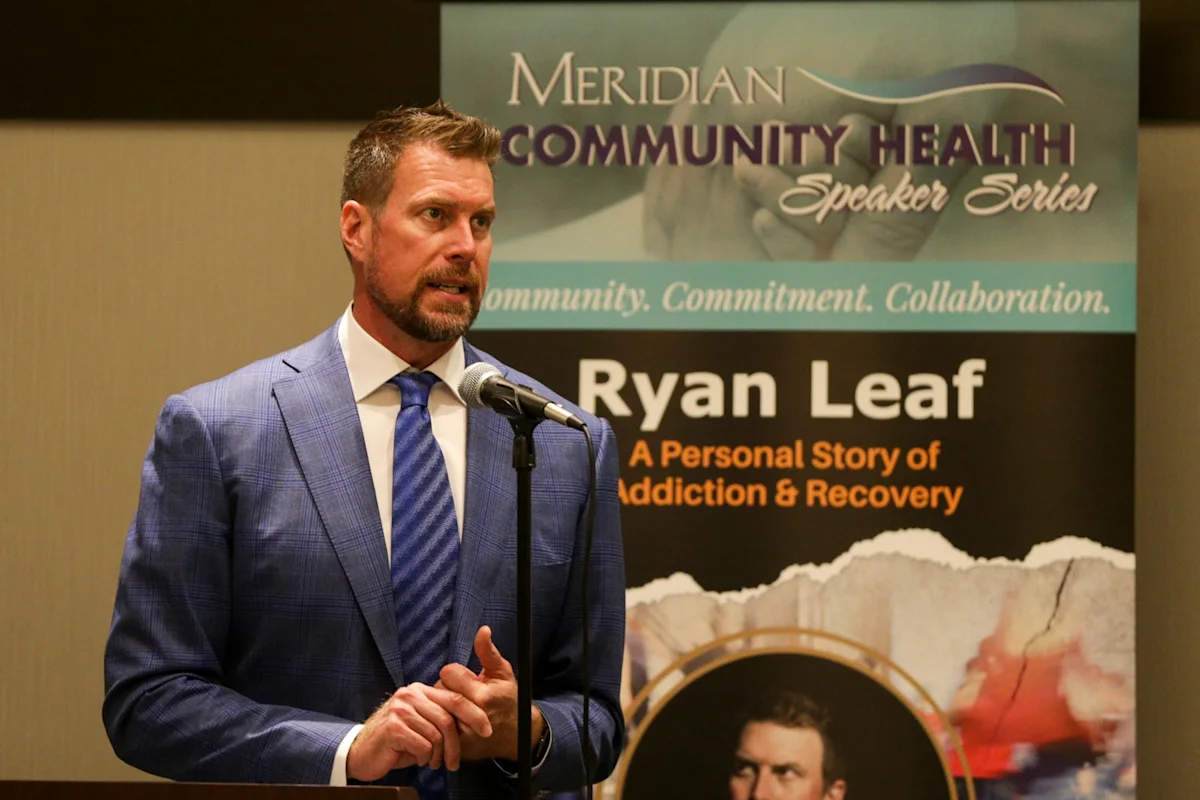
Former Alabama head coach Nick Saban’s decision to invite Ryan Leaf to address the Crimson Tide football team proved to be a pivotal moment in the former quarterback’s recovery. Leaf, who was selected as the No. 2 overall pick in the NFL Draft and was a Heisman Trophy finalist, had previously faced significant personal and professional turbulence. His struggles with drug addiction and legal issues resulted in a prison sentence of more than two years in Montana, with his release occurring in December 2014.
Following his release, Leaf began to rebuild his life through recovery, positioning himself as an advocate for substance abuse awareness. His progress was noted in an ESPN profile published in May 2017. A few months later, Saban reached out to invite Leaf to speak to the Alabama football program. The invitation served as a significant endorsement, helping to legitimise Leaf’s message within the collegiate football landscape.
During his address to the Crimson Tide, Leaf shared his personal narrative of rise and fall, speaking candidly about his battle with addiction and his time in prison. He aimed to help young players navigate their own challenges by exposing the vulnerability behind his story. Leaf noted that while sharing such personal details in a team environment is not always comfortable, those moments often provide the most valuable lessons for players navigating their own journeys.
The initial engagement with Alabama opened broader doors for Leaf’s advocacy work. He has since spoken to 79 football programs, as well as teams in various other sports. His role has expanded beyond football, with Leaf currently serving as a mental health and substance-use-disorder advocate for the Menninger Clinic in Houston, a nationally recognised psychiatric treatment centre.
The relationship between Leaf and Saban has also extended into specific policy-focused initiatives. In 2018, the two partnered on efforts to raise awareness about opioid misuse, with a particular focus on Saban’s home state of West Virginia. Leaf has highlighted the importance of shining a light on the opioid crisis in the region, working alongside Saban and other partners to address the issue.
Today, Leaf continues to work in the sports media space as the lead analyst for Pac-12 football broadcasts on USA Sports. His career trajectory illustrates how institutional support and personal vulnerability can combine to create a lasting impact on both individual recovery and broader public health advocacy.