Russia’s Supreme Court bars Yabloko from parliamentary polls
The anti-war opposition group faces disqualification over allegations of copyright infringement and foreign financing, compounding concerns over election monitoring and public sentiment ahead of September’s vote.
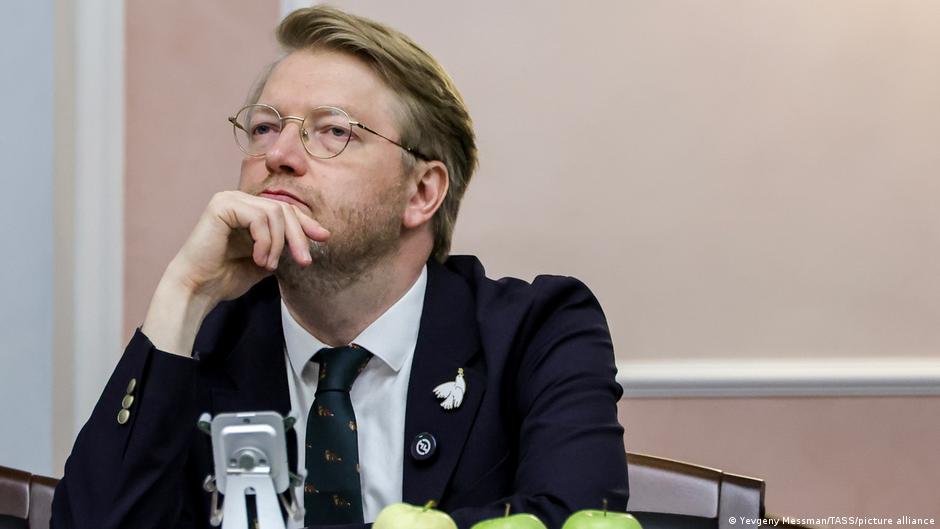
Russia’s Supreme Court has upheld a lawsuit brought by the pro-Kremlin Rodina party, effectively banning the anti-war opposition Yabloko from participating in the parliamentary elections scheduled for September 18 to 20. The court’s decision, delivered after a nine-hour session presided over by Judge Vyacheslav Kirillov, cited allegations of copyright infringement, extremist activities, and illegal foreign financing as the grounds for disqualification.
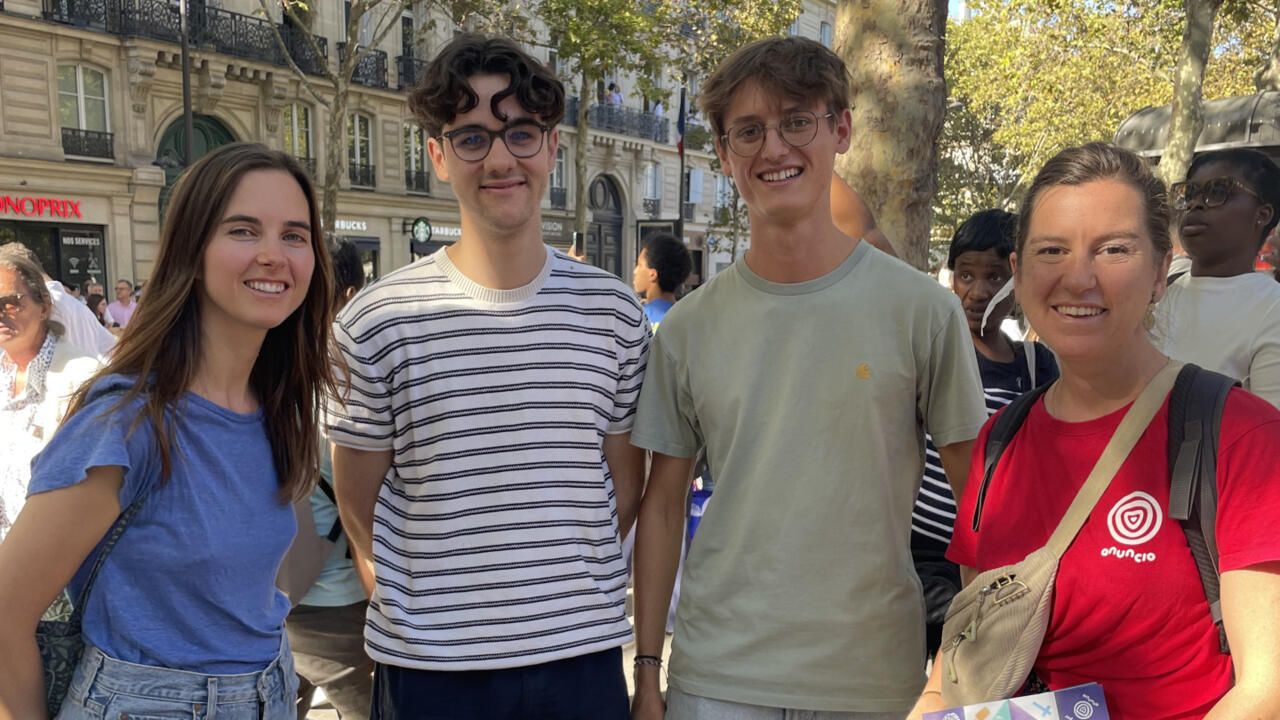
Judge Kirillov, who previously banned the human rights organisation Memorial and dismissed legal complaints filed by the late opposition politician Alexei Navalny, delivered the verdict against a backdrop of significant public protest. Approximately 500 supporters gathered outside the Supreme Court, distributing apples—the party’s symbol—and singing songs before security services threatened them with arrest and warned young men about potential conscription.
Yabloko leader Nikolai Rybakov announced plans to appeal the judgement, asserting that the party had not broken any laws. Grigory Yavlinsky, one of the party’s founders, stated that those in power were afraid of Yabloko’s platform, which calls for an election focused on peace and freedom. He argued that removing a party with such a platform without real grounds exposed the political system itself.
The ban significantly complicates independent election monitoring efforts. As Yabloko is now barred from sending representatives to polling stations, the ability of independent observers to verify the integrity of the vote is diminished. Roman Udot, a Russian specialist in electoral observation, noted that Yabloko had previously enabled access for independent monitors, a mechanism now lost to the opposition.
Opposition figures living in exile, including Yulia Navalnaya and Andrei Pivovarov, condemned the move as an attempt to suppress anti-war sentiment. Navalnaya claimed the Kremlin initially intended to allow Yabloko to stand but blocked the party after observing growing public mobilisation. Political analysts suggest the ban may stem from internal Kremlin power struggles or a reaction to growing public anxiety, with survey data indicating 57% of Russians were worried about the country's situation in late July, the highest level since the autumn 2022 mobilisation.