Russia suspends surveillance network after AI targeting capability exposed
The pause comes as US and Chinese leaders meet in Beijing to discuss trade and AI policy, while Wall Street rallies on semiconductor approvals.
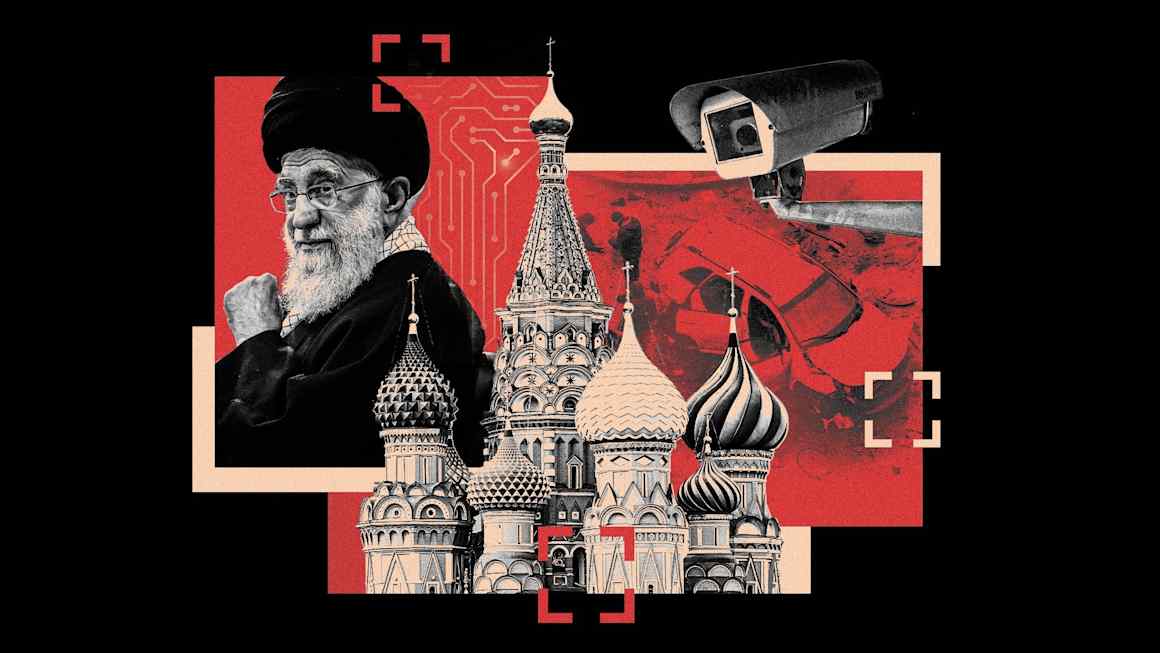
Russia has suspended operations of its domestic surveillance system, a move triggered by the killing of Iran’s Supreme Leader which exposed the capacity for artificial intelligence to utilise CCTV footage for targeting individuals. The decision underscores the growing security risks associated with the integration of AI into state monitoring infrastructure, as adversaries demonstrate the ability to repurpose public data streams for high-value eliminations.
The incident involving Iran’s leadership served as the catalyst for revealing these specific technical capabilities. By analysing CCTV data, operators were able to identify and target enemies with precision, a method that has now compelled Moscow to halt its own system to assess vulnerabilities. The exact technical details of how the system was compromised remain undisclosed, but the strategic implication is clear: the barrier to using AI for lethal targeting has lowered.
This security pause occurs against a backdrop of intense geopolitical and economic activity in the Asia-Pacific region. US President Donald Trump and Chinese President Xi Jinping have commenced a two-day summit in Beijing, focusing on trade relations, artificial intelligence governance, and stability in the Strait of Hormuz. The meeting marks the first visit by an American president to China since 2017, highlighting the continued strategic importance of US-China dialogue despite rising tensions.
Market participants reacted positively to the diplomatic engagement, with US stock indices rising on Thursday. The Dow Jones Industrial Average gained 0.8%, the S&P 500 rose 0.3%, and the Nasdaq Composite climbed 0.2%. The rally was bolstered by news that the US approved the sale of H200 chips to Chinese firms, causing Nvidia shares to surge more than 2%.
The summit is attended by prominent US technology executives, including Elon Musk, Tim Cook, and Jensen Huang, reflecting the central role of the semiconductor industry in the current trade and AI discussions. Meanwhile, Cisco has announced planned job cuts as part of a broader corporate restructuring, signalling ongoing volatility and adjustment within the global technology sector.
The convergence of these events—geopolitical summits, market movements, and national security pauses—illustrates the complex interplay between technology, policy, and finance. As nations grapple with the dual-use nature of AI, the pause in Russia’s surveillance system serves as a stark reminder of the tangible risks involved in deploying these technologies without robust countermeasures.