Roome and Streeting press Starmer on under-16 social media ban as consultation closes
Ellen Roome and Wes Streeting urge Downing Street to adopt Australian-style restrictions, citing child safety and addictive design features.
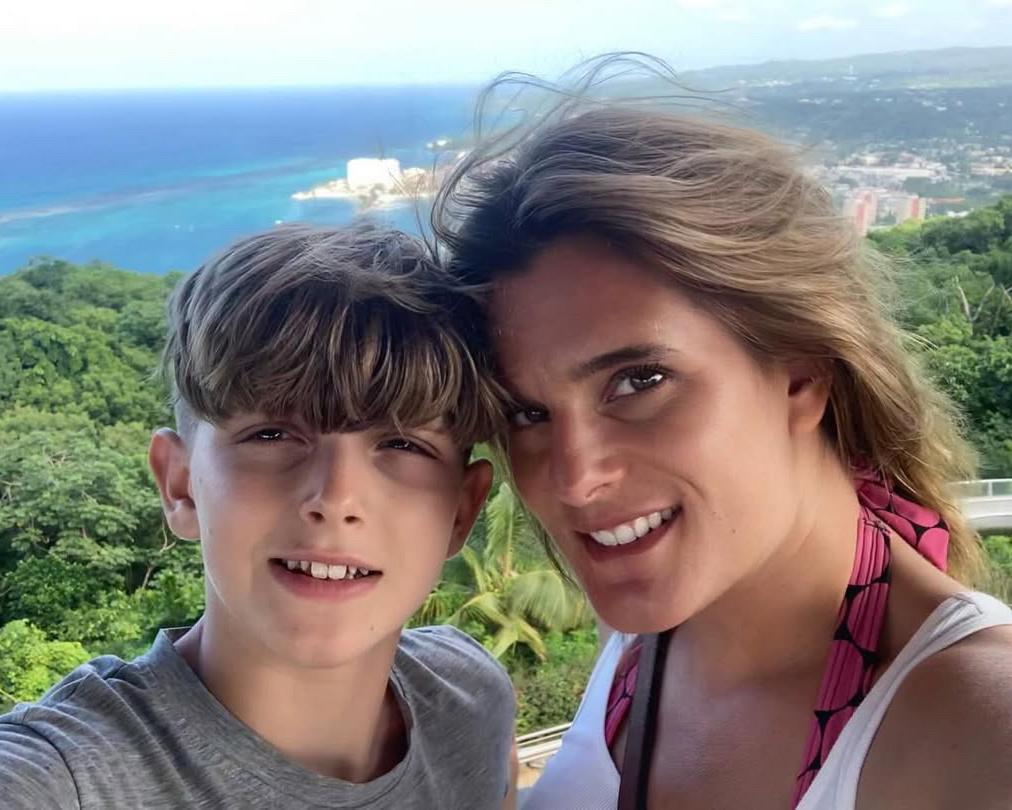
Ellen Roome, whose 14-year-old son Jools Sweeney died in a suspected TikTok challenge, has joined former Health Secretary Wes Streeting in urging the UK government to implement a ban on social media for children under 16. Roome met with Prime Minister Keir Starmer as a 12-week government consultation on the measure concludes, arguing that Downing Street has been too slow to act. Speaking on BBC Radio 4’s Today programme, Roome accused the government of kicking the issue down the road and called for immediate intervention until platforms are verified as safe.
Roome stated she did not care if social media was removed for both adults and children until the systems were secure, urging technology companies to spend billions on fixing their platforms rather than just making them. She argued that a ban would provide the necessary impetus for tech firms to ensure their products are safe before being reintroduced to the public. Labour party chair Anna Turley defended the consultation process, stating the government would seize this moment but emphasised the need for legislation to keep pace with changing technology.
Streeting, now outside the cabinet, publicly supported the ban, comparing social media harms to tobacco and citing evidence from Australia’s existing under-16 restrictions. He criticised the previous government’s approach as lackadaisical and noted that while some children circumvent Australia’s ban, it prevents harm for many others. Streeting highlighted a growing body of evidence linking social media use to issues with sleep, concentration, learning, and mental health, arguing that the precautionary principle should apply.
The former health secretary revealed he had argued for stronger action internally while serving in the cabinet, discussing issues surrounding education, wellbeing, and violence against women and girls. He stated he was now liberated from the obligations of collective responsibility, allowing him to voice arguments he made in cabinet committees regarding the addictive design features of tech platforms. Streeting described the business model of tech companies as orientated towards grabbing attention and keeping young users on their platforms for as long as possible.
Ministers are considering various regulatory measures, including age limits on specific app features such as livestreaming, location sharing, and infinite scrolling. The government is also evaluating curbs on personalised algorithms and mandatory screen curfews. Turley confirmed that existing legislation enables the government to take swift action once the consultation period ends, ensuring that protections for children are updated to address the harms of addictive technology.