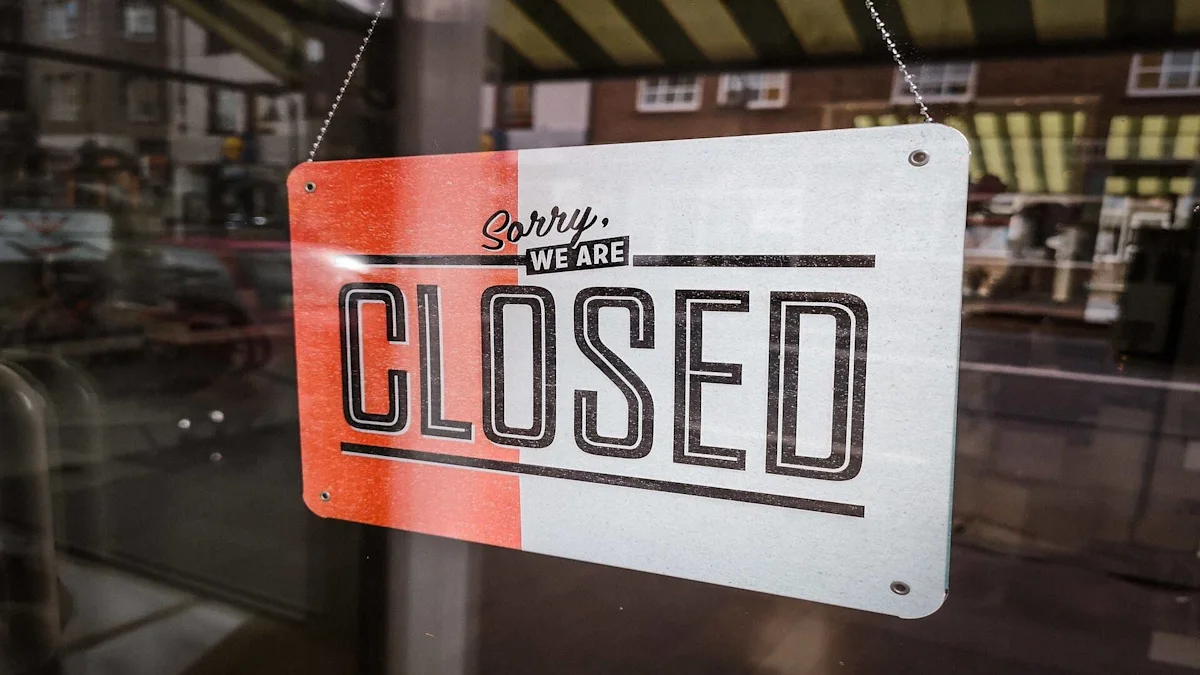
Romano's Macaroni Grill shrinks to nine locations as Italian casual dining struggles
The collapse of Romano's Macaroni Grill highlights the difficulties facing the casual dining sector as consumer preferences shift toward cheaper, faster alternatives
Romano's Macaroni Grill has drastically reduced its physical footprint, leaving only nine locations operating across the United States. The Italian casual-dining chain has closed more than 85 per cent of its restaurants in a sustained decline that has seen it drop off major industry rankings in 2024. Despite the severe contraction, the company continues to sell franchises and has introduced a new quick-serve concept called Twisted Mac in an attempt to remain relevant in a competitive market.
The chain's struggles are rooted in a long history of financial instability, beginning with its Chapter 11 bankruptcy filing in 2017. At that time, the company cited a decrease in sales alongside rising labour and commodity costs as primary drivers for the closure of 37 locations immediately following the filing. The entity was owned by RedRock Partners LLC at the time of the collapse, having been acquired from Ignite Restaurant Group Inc in 2015 for $8 million.
Industry experts attribute the chain's inability to recover to specific management decisions rather than broader economic conditions. Jonathan Maze, Editor-in-Chief of Restaurant Business, noted that the problems have plagued multiple owners and CEOs over a decade. The pandemic further devastated the brand, forcing it to close half of its locations in 2020 and leaving it without the post-COVID rebound enjoyed by many competitors.
The contrast between Romano's trajectory and its rival, Olive Garden, underscores the challenges facing the sector. While Romano's struggled, Olive Garden has thrived by simplifying operations and focusing on everyday value marketing. The competitor has also successfully increased takeout sales, which now account for nearly 14 per cent of its revenue, a model that has not been replicated by the Italian chain.
Data from the National Restaurant Association highlights the paradoxical situation facing the brand. Although Italian food remains a dominant force in the US dining scene, with 61 per cent of consumers eating it at least once a month, the specific casual-dining model Romano's employed has failed. The brand, which peaked at 237 locations in 2006, was known for its unique make-your-own-pasta concept and Italian-themed decor, but these features did not insulate it from the shift toward cheaper, faster dining options.
In its current iteration, the company is attempting to pivot away from its traditional full-service model. The introduction of Twisted Mac, a quick-serve concept, signals a strategic shift toward the fast-casual and quick-service restaurant sectors where growth remains robust. The company states that both its legacy brand and the new concept are powered by a commitment to quality and a Guest First philosophy, though the viability of this approach in the current landscape remains to be seen.