Rokos Capital trims NVIDIA stake as chipmaker posts record revenue
Chris Rokos’s fund cuts exposure to the AI infrastructure leader, which reported $44.1 billion in quarterly revenue driven by data centre demand.
Chris Rokos’s Rokos Capital Management has significantly reduced its holding in NVIDIA Corporation, disclosing a position of just over one million shares in filings for the fourth quarter of 2025. The move marks a substantial pullback from the fund’s peak investment in the chipmaker, which stood at 5.2 million shares by the third quarter of that year.
The reduction comes as NVIDIA reported record revenue of $44.1 billion for its most recent full quarter, representing a 69 per cent increase year-on-year. The company’s Data Center segment was the primary driver of this growth, generating $39.1 billion in sales and underscoring the sustained demand for artificial intelligence infrastructure.
Rokos Capital’s relationship with NVIDIA has been cyclical. The fund first entered the stock in the fourth quarter of 2020 with under two million shares, increasing the position to nearly 4.5 million shares by mid-2021 before selling out completely. A subsequent position of 892,000 shares was declared in late 2021 but was also divested by late 2022. The current investment cycle began in the third quarter of 2024 with 2.5 million shares.
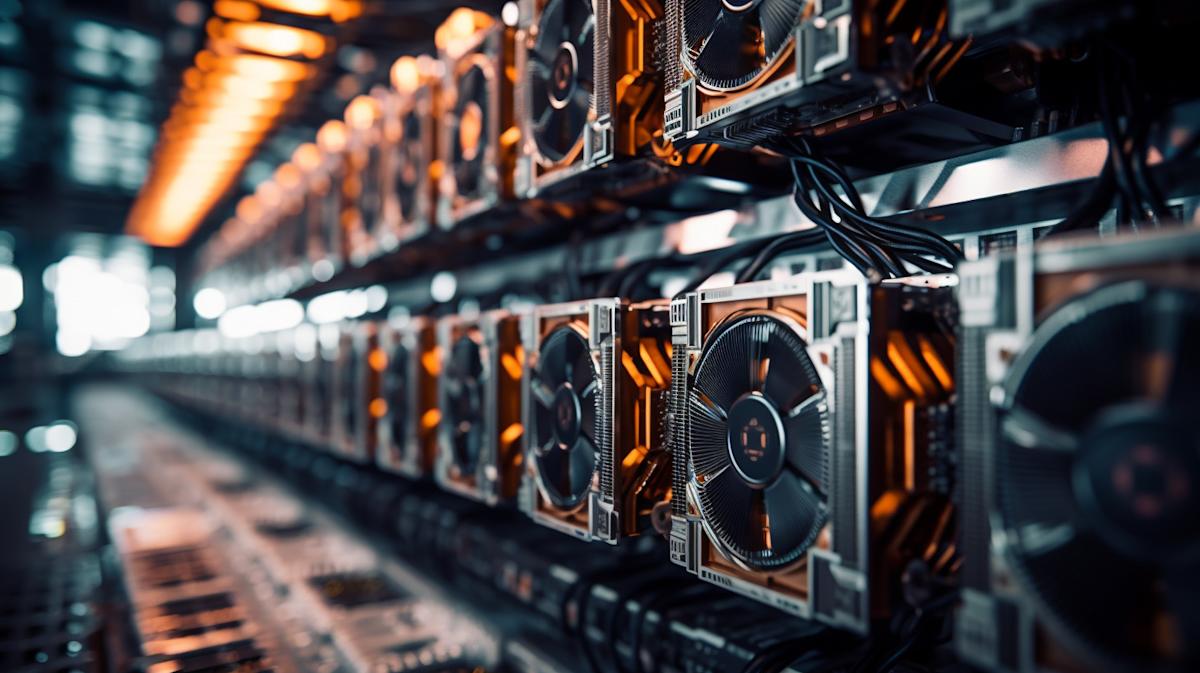
Despite the reduction in holdings, NVIDIA maintains a dominant position in the global artificial intelligence supercycle. The company is transitioning from a chip designer to a full-stack data centre provider, evidenced by strategic partnerships such as a collaboration with IREN to deploy up to 5 gigawatts of AI infrastructure. Additionally, Blackwell-based cloud instances are expanding across major hyperscalers including AWS, Google Cloud, and Microsoft Azure.
While the fund’s latest filing indicates a trimmed position, the underlying fundamentals of the business remain robust. The sharp decline in share count from the third to the fourth quarter suggests a strategic rebalancing by Rokos Capital rather than a loss of confidence in the company’s ability to capitalise on the ongoing infrastructure build-out.