Rock Zero targets low-cost lithium extraction with MIT-developed chemical process
The company, founded by researchers from the Massachusetts Institute of Technology, plans to construct a pilot plant by late 2026, with operations scheduled to begin in 2027.
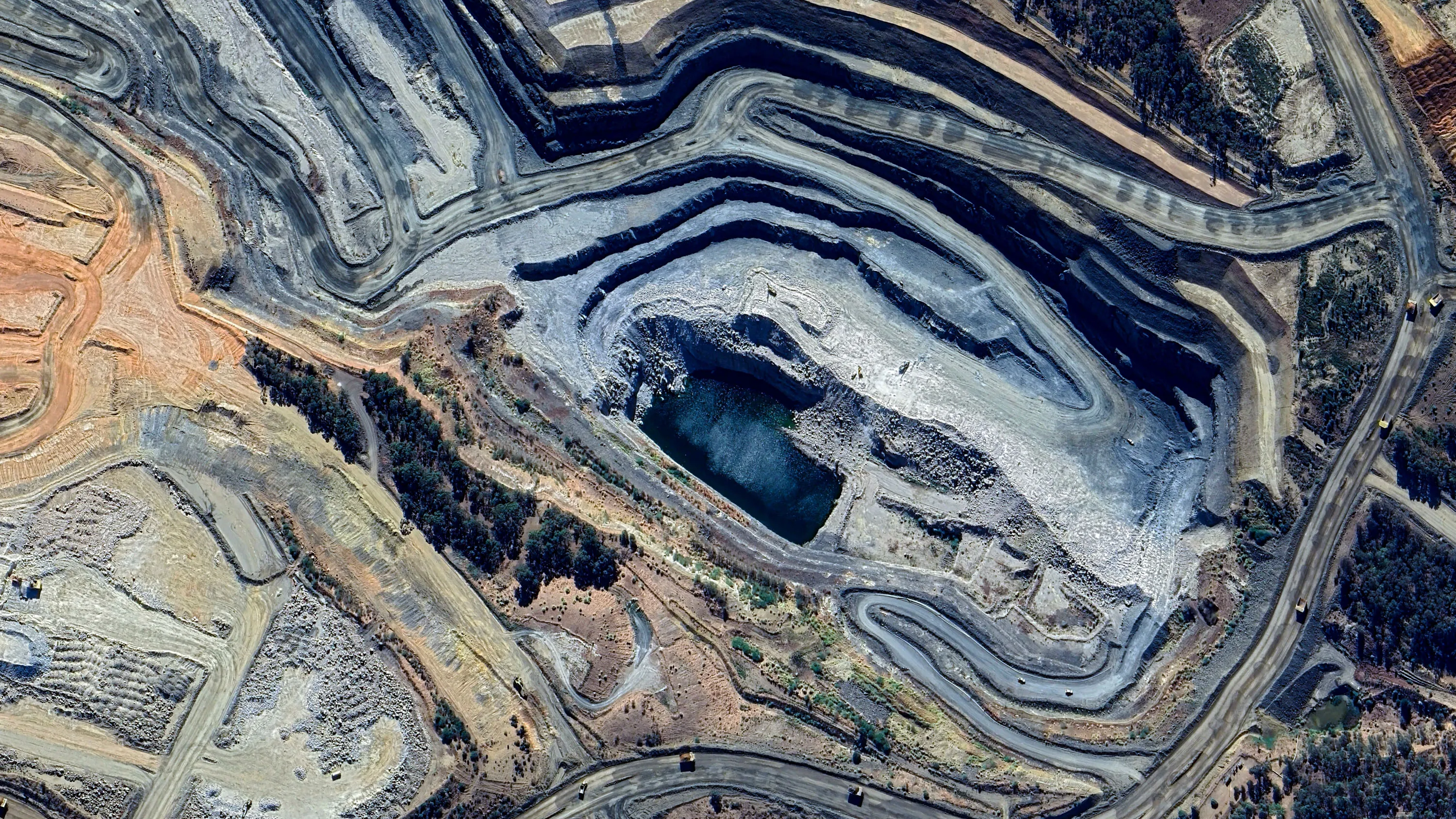
A startup named Rock Zero is moving to commercialise a lithium extraction technique developed by researchers at the Massachusetts Institute of Technology. The process utilises ammonium fluoride, a weak acid commonly found in glass etching creams, to dissolve silicate minerals. This method allows for the recovery of lithium carbonate, alumina, and cementitious silica from spodumene ore without the energy-intensive high-temperature roasting required by conventional hard-rock mining.
Current lithium production relies heavily on either brine evaporation, which is geographically restricted and land-intensive, or hard-rock mining, which involves blasting ore and processing it at super-high temperatures. The new technique eliminates the need for kiln roasting, operating instead in simple stirred plastic tanks at temperatures up to 95°C. This shift significantly reduces energy consumption and carbon emissions while avoiding the use of dangerous hydrofluoric acid.
The research, published in the journal Science, was led by MIT professor Yet-Ming Chiang alongside Camden Hunt and Benjamin Mowbray. The team discovered that ammonium fluoride could effectively break down silicate structures without producing hazardous byproducts. This discovery originated from Chiang’s previous venture, Sublime Systems, which focused on electrochemical cement production. The researchers sought a source of highly reactive silica for cement, leading them to explore the dissolution of nonreactive silicates.
In experimental settings, the extraction time for lithium from spodumene has been reduced to under 12 hours. The process is described by Chiang as “nose-to-tail” mining, as it extracts multiple valuable materials from the ore. The ammonium fluoride can be reused in a closed loop, and the company has identified potential industrial sources for the chemical as an alternative to recycling. The team estimates that at scale, the process could extract lithium for less than $6,000 per metric ton, potentially undercutting existing hard-rock and brine extraction costs.
Rock Zero plans to construct a pilot plant by the end of 2026, with operations commencing in 2027. The company is currently seeking partners in the mining industry to support the scaling of the technology. While the market for lithium has experienced significant volatility in recent years, with prices peaking in 2022 and hitting lows in late 2024, the company aims to offer a more cost-effective and environmentally friendly alternative to established methods.
