Robotaxi cameras bring passenger privacy into focus
Waymo, Zoox and Tesla cite safety and service needs for in-cabin recording, while WIRED reports that broad data policies and limited US rules leave questions about how footage may be used.
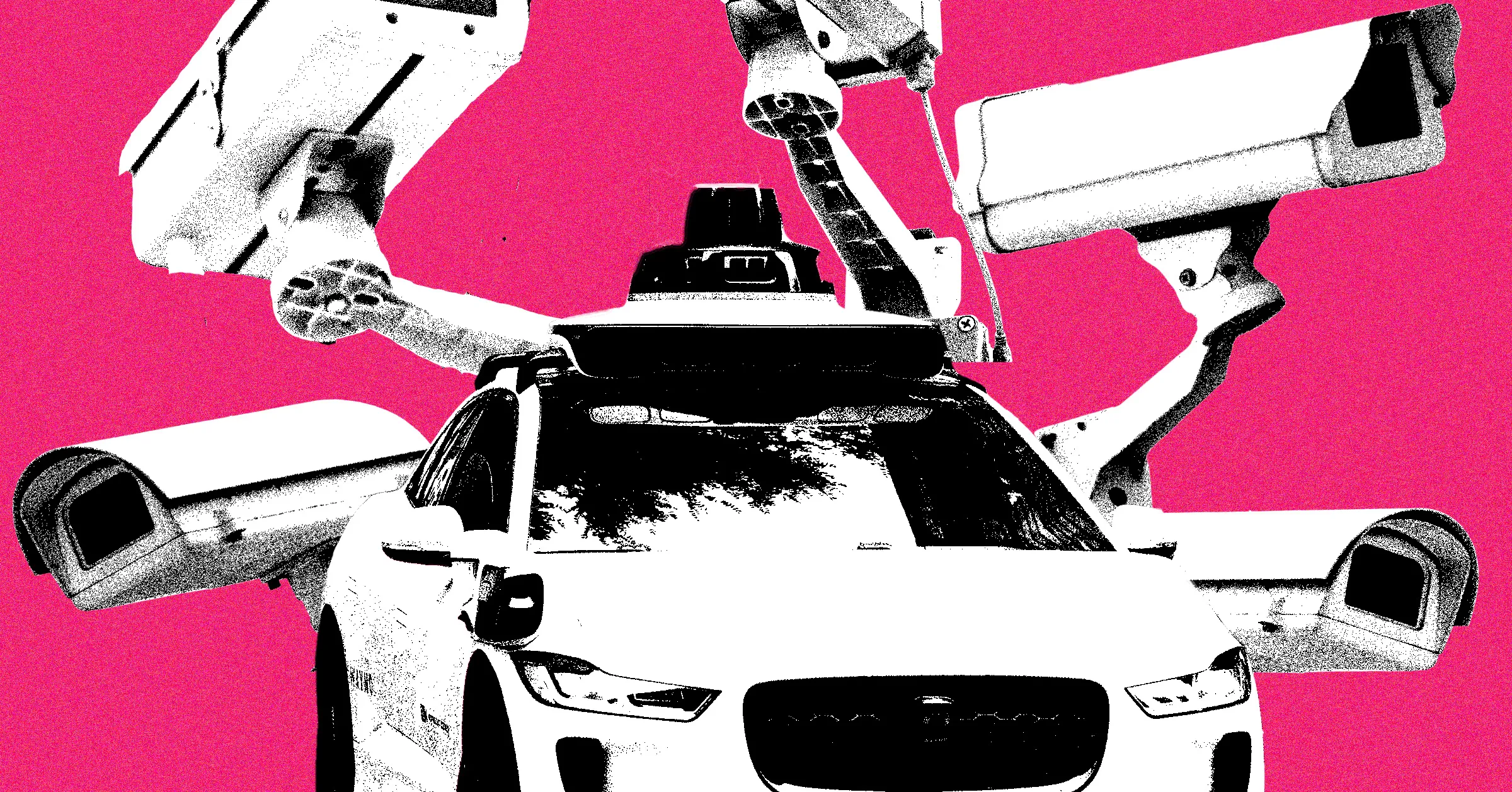
Cameras inside robotaxis can help companies monitor rides, but their use raises questions about passenger privacy and control of personal data. A WIRED report examining Waymo, Zoox and Tesla found that company policies allow recordings to support safety and service, with possible use in product development and disclosure to authorities.
The report describes a Waymo vehicle whose cabin cameras helped staff identify what appeared to be passengers firing a gun. Police later found it was a water-filled Orbeez toy. Waymo says automated technology helps its teams identify potential rule violations; the company did not confirm whether a 2025 patent’s automated ride-checklist system is in use.
Zoox says its interior cameras record entire rides, and that data may help develop its service. The company also says it may record conversations with support employees but does not save those recordings.
Tesla’s Robotaxi documents say riders can opt in to sharing cabin video and audio. They describe early-access participants as automatically opted in, but Tesla did not tell WIRED whether that programme has ended. The documents say an indicator appears on the vehicle’s touchscreen when the camera is active.
The companies say human staff view interior footage only when needed. Their policies also allow personal data, including recordings, to be shared with law enforcement or regulators. WIRED reported that the extent of human review and retention across the companies remains unclear.
Privacy experts cited by WIRED say US protections for this kind of surveillance are limited or unsettled. The report also points to past concerns over automakers’ handling of vehicle data, including reported sharing of Tesla customer recordings and California penalties against General Motors over driving-data sales.