Rivian Restructures DOE Loan as Georgia Expansion and Uber Partnership Drive Forward
The Normal, Illinois plant resumes R2 SUV production following recent repairs, even as the Georgia facility prepares for autonomous taxi manufacturing
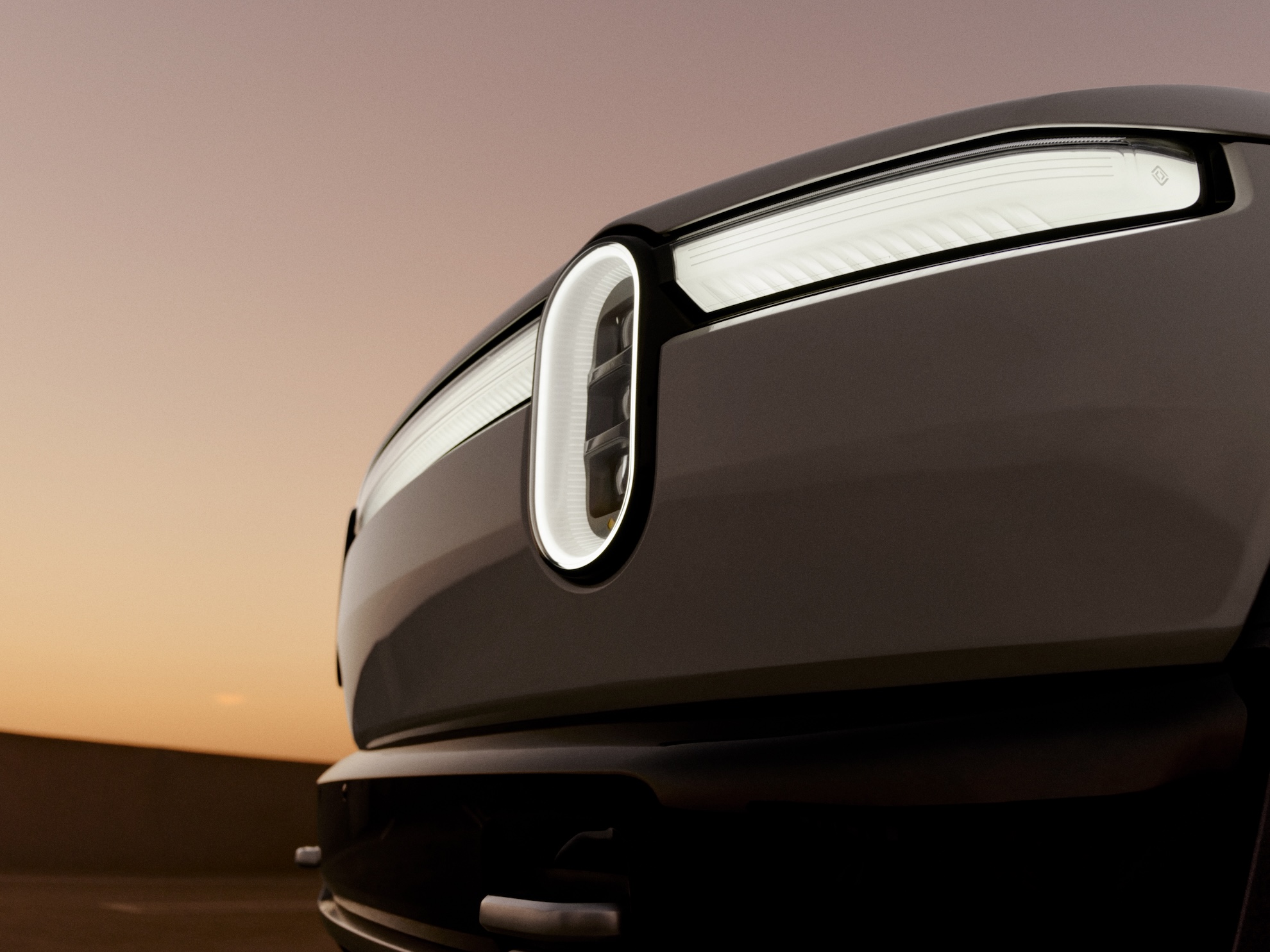
Electric vehicle manufacturer Rivian has restructured its financing arrangements with the United States Department of Energy, revising the borrowing limit for its new Georgia facility from an original allocation of $6.6 billion to $4.5 billion. This adjustment marks a significant shift in the company's capital strategy for the project, which was initially established under the Biden administration. Despite the reduction in the total loan size, the company has accelerated its timeline, planning to draw down the funds in early 2027, ahead of the previously scheduled date.
Concurrent with the financial restructuring, Rivian has announced a substantial expansion of the Georgia plant's initial production capacity. The facility, located outside Atlanta and currently in the early stages of vertical construction, is set to increase its output from 200,000 to 300,000 vehicles. This 50 per cent increase in capacity is designed to lower per-unit costs and provide the necessary infrastructure to accommodate future growth phases. Production at the Georgia site is expected to commence by the end of 2028, with the expanded capacity specifically earmarked to manufacture R2 robotaxis for Uber.
The partnership with the ride-hailing giant forms a central pillar of the expansion strategy. Uber has committed an initial investment of $300 million to Rivian, with a further $250 million planned for later in the year, contingent on the achievement of specific milestones. The robotaxis are scheduled for initial deliveries in San Francisco and Miami in 2028. Additionally, Uber retains the option to purchase up to 40,000 additional autonomous R2 SUVs starting in 2030, should the automaker meet a series of performance targets.
While the Georgia facility prepares for its future role, Rivian continues to manufacture R2 SUVs at its Normal, Illinois plant. Production at the Illinois site recently resumed following repairs to damage sustained from a tornado. Initial customer deliveries from the Normal facility are expected to begin in the coming weeks, ensuring that the company maintains its supply chain momentum while the larger Georgia project develops.
The announcement coincides with the release of Rivian's first quarter 2026 financial results, which reflect the company's ongoing financial trajectory. The quarter saw revenue of $1.38 billion, a figure that includes $908 million from vehicle sales and $473 million from software and services. However, automotive revenue declined by approximately 2 per cent compared to the same period last year, a decrease attributed partly to a drop in regulatory credits.
Despite the revenue decline, the company reported an improvement in its bottom line, posting a net loss of $416 million. This represents a reduction from the $541 million loss recorded in the same period the previous year. The narrowing of the net loss was supported by a $506 million gain in other income related to the Series A capital raise and the deconsolidation of CEO RJ Scaringe's new startup, Mind Robotics.
Investment in research and development has also seen a marked increase, with Rivian's R&D budget expanding by 20 per cent to reach $458 million. This surge in spending is driven by heightened investment in R2 pre-production costs and software and cloud services required for the development of autonomous vehicle technology. The company's operating expenses and R&D costs have grown year-over-year, underscoring the significant resources being directed toward the R2 platform and its autonomous capabilities.
