Rivian Q1 2026 revenue rises on software surge despite auto sales dip
The Normal, Illinois factory resumed production following tornado damage while the company reaffirms its full-year sales targets and targets positive gross profits by year-end
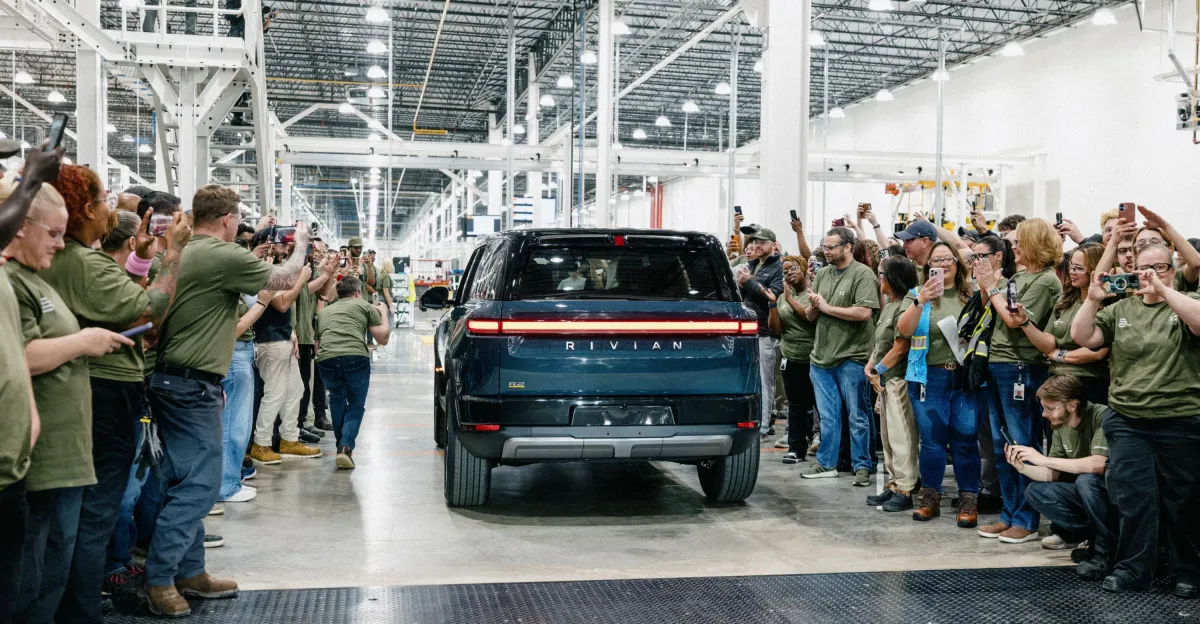
Rivian has reported first-quarter 2026 revenue of $1.38 billion, marking an 11.3 per cent increase from the previous year. This growth was primarily driven by a 48.7 per cent surge in software and subscription services revenue, which reached $473 million, while automotive revenue declined slightly by 1.5 per cent to $908 million. The company sold 10,365 vehicles in the quarter and produced 10,236 units at its Normal, Illinois factory, achieving these figures despite tornado damage to part of the facility.
The financial results highlight a strategic pivot toward digital products, including the recently announced Autonomy Plus package, as EV sales cool following the expiration of the federal $7,500 tax credit. As the company seeks to secure a more stable financial position, the launch of the affordable R2 model, priced from $45,000, remains central to its strategy. The base model is expected to reach customers by the end of 2027, with a performance variant launching in June 2026.
Operational resilience was demonstrated at the Normal, Illinois plant, which produced 10,236 units following repairs to damage sustained from a tornado that ripped the roof off a portion of the factory earlier in the month. Initial customer deliveries from the site are expected to begin in the coming weeks, ensuring that the company maintains its supply chain momentum while the larger Georgia project undergoes restructuring.
Rivian reaffirmed its full-year sales target of 62,000 to 67,000 vehicles and stated it expects to achieve positive gross profits by the end of 2026. Gross profits for the quarter were $119 million, a 42 per cent decrease year over year, but management maintains that the trajectory points toward profitability by year-end. The company is also sticking to its goal of selling upwards of 20,000 R2 vehicles by the end of the year.
In a significant development for its capital strategy, Rivian hit a major milestone in its software joint venture with Volkswagen, unlocking an additional $1 billion in investment from the German auto giant. VW has indicated it would invest a total of $5.8 billion in Rivian if specific goals are met. The joint venture is developing a next-gen software platform based on Rivian's work in zonal architecture, which will eventually find its way into VW brands like Audi, Scout, and Porsche.
Looking ahead, the company plans to design its own AI chips and integrate lidar sensors into future R2 models to power fully autonomous driving capabilities. These technological investments, combined with the R2 rollout, are seen as vital to Rivian's success as it navigates a changing market landscape where federal incentives are no longer a primary driver of demand.
