Rivian Launches R2 SUV in Bid to Stabilise Finances with Mass-Market Pivot
The R2 Performance trim debuts at $57,990, offering Gen 2 autonomous hardware, while the advanced Gen 3 system with lidar is delayed until late 2026.
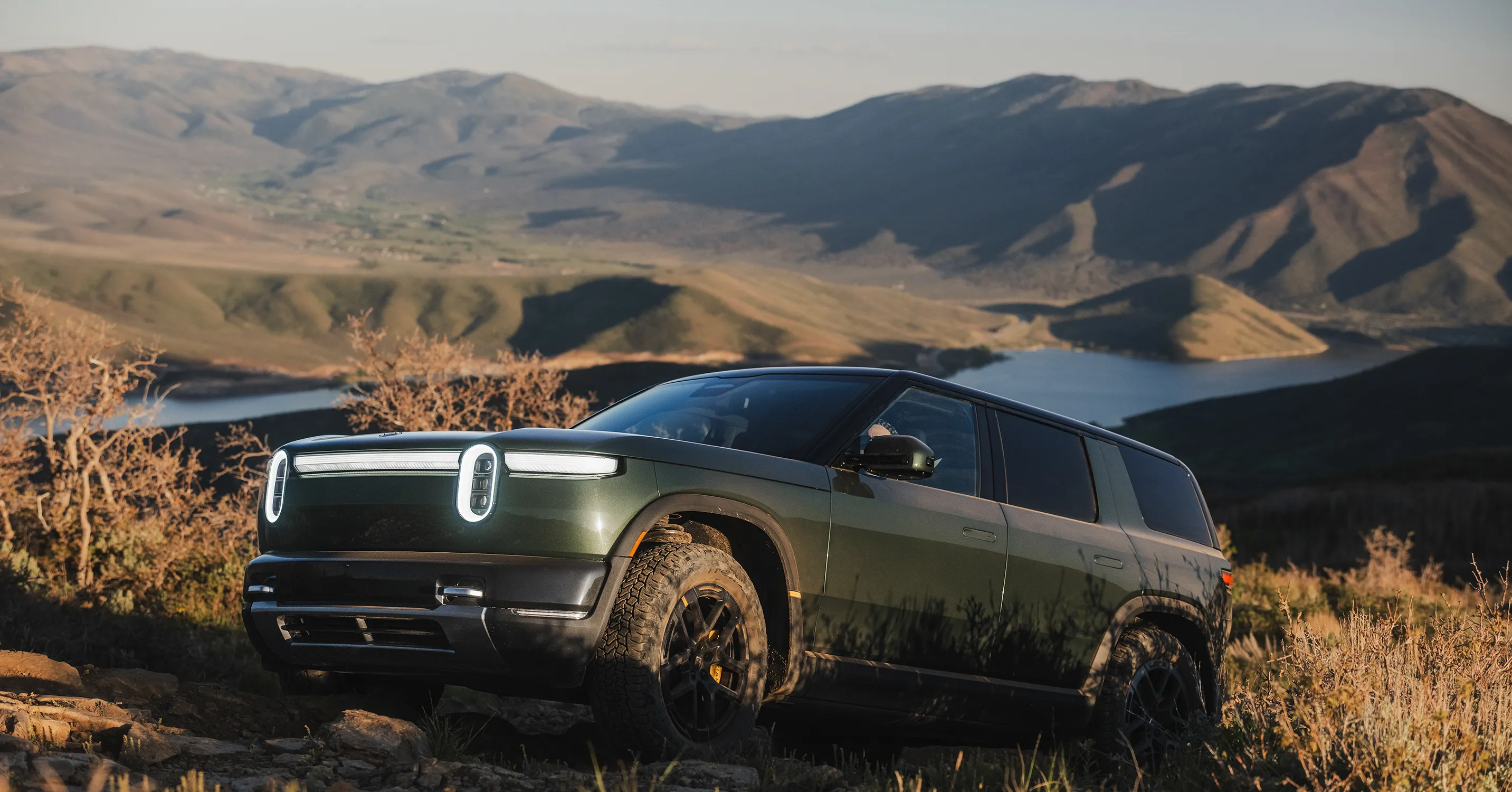
Rivian has commenced the rollout of its new R2 midsize electric SUV in the United States, marking a strategic pivot towards mass-market volume sales following years of significant financial losses. The launch begins with the Performance trim, priced at $57,990, or $59,485 with the mandatory $1,495 destination charge. This move represents a critical juncture for the company, which has burned through nearly $25 billion in cash over the past eight years and seen its stock price decline from $130 to approximately $16.
The initial launch edition features Gen 2 autonomous driving hardware (L2+) and includes lifetime Autonomy+ access, a feature that typically costs $50 per month or a one-off $2,500. The Performance model produces 656 horsepower and 609 pound-feet of torque, achieving zero to 60 mph in 3.6 seconds with an EPA-estimated range of 330 miles. It also includes a tow package rated at 4,400 pounds, positioning it as a capable competitor despite the lower entry price compared to the R1S.
Rivian is adopting a cautious, staggered release strategy for the R2 to manage production and technology integration. The Premium model, priced at $53,990, is scheduled for late 2026, followed by the Standard Long Range model at $48,490 in early 2027. The base Standard model, targeted at $45,000 to compete directly with rivals like the Tesla Model Y and Volvo EX40, will arrive in late 2027 with single-motor rear-wheel drive and an estimated range of 275 miles.
A notable technological caveat for early adopters is the absence of the new RAP1 processor and lidar sensors. The custom 5-nanometer chip, which powers the advanced Gen 3 autonomy system, will not be available in R2 models until late 2026. Consequently, launch buyers will receive L2+ hands-free, eyes-on driving capabilities, while the more advanced Level 3 autonomous features will be reserved for later trims. All trims utilise the North American Charging Standard (NACS) connector, granting access to Tesla’s Supercharger network with a claimed 10-to-80 percent charge time of 29 minutes.
Initial real-world efficiency testing during a media drive outside Salt Lake City revealed energy consumption of 1.6 miles per kWh over a 360-mile period, significantly lower than the EPA-estimated 3.7 to 3.9 miles per kWh. Despite this discrepancy, the vehicle retained key design elements of the R1S, including a rugged exterior and the innovative "Halo" haptic steering wheel system, which allows intuitive control of climate and media functions. The R2 aims to balance premium interior materials with cost-effective design choices to attract a broader customer base essential for the company's long-term viability.
