Rivian launches mass-market R2 crossover with sub-$45,000 pricing
The new R2 features a 400-volt architecture, 656 horsepower in its launch edition, and a coefficient of drag of 0.3, positioning it as a direct competitor to the Tesla Model Y.
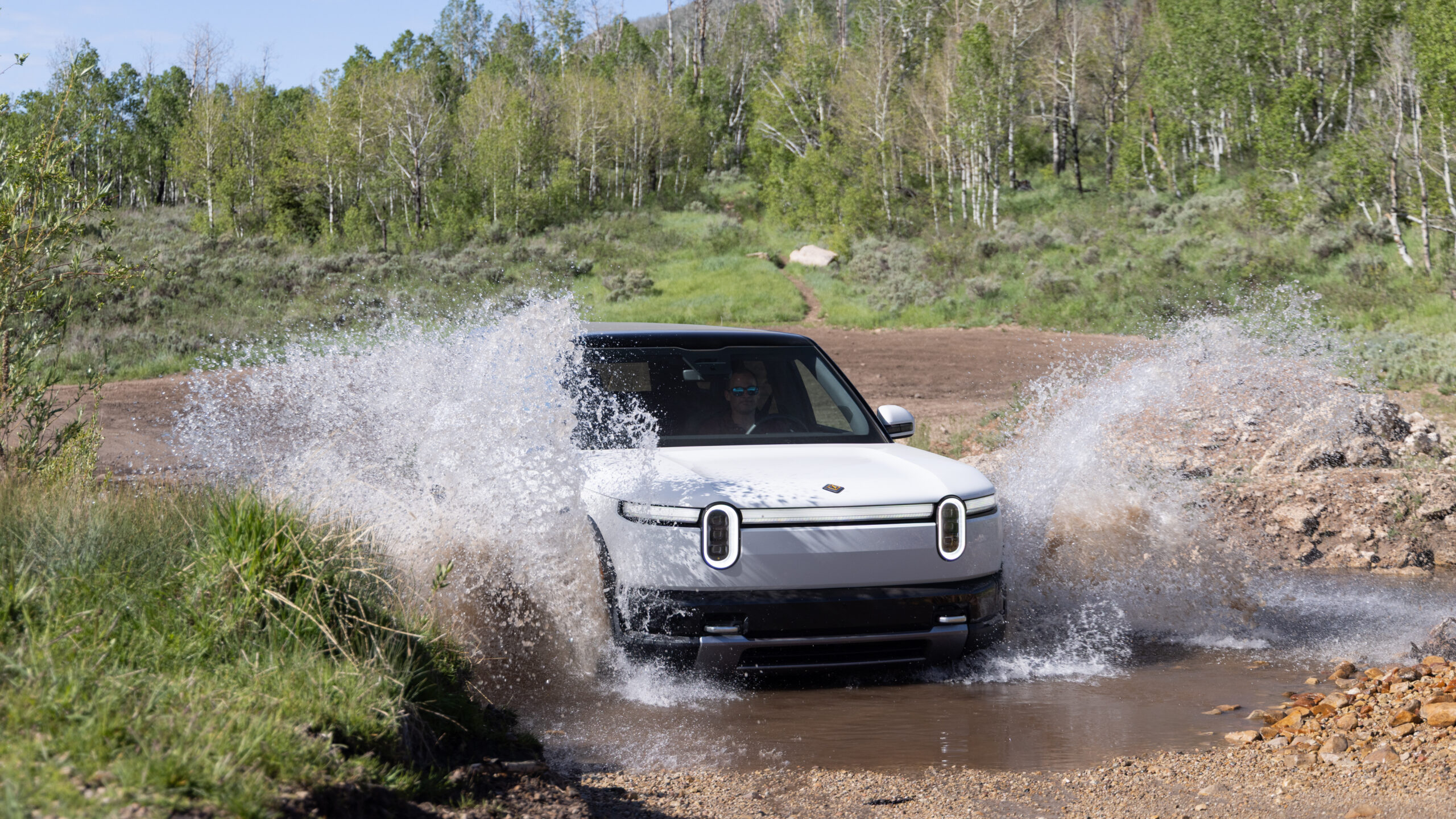
Rivian has commenced customer deliveries of the 2027 R2 electric crossover, marking the company’s strategic pivot toward the mass market. Priced starting below $45,000, with Launch Edition models costing just under $60,000, the vehicle is designed to compete directly with established best-sellers such as the Tesla Model Y. The launch edition delivers 656 horsepower and features significant upgrades to steering and suspension dynamics compared to the company’s previous R1 platform.
To achieve these price points, Rivian utilised a semi-monocoque and sandwich battery layout rather than a traditional skateboard architecture. This design choice results in a wheelbase approximately 9 inches longer than a Toyota RAV4 while allowing the vehicle to maintain a compact exterior footprint. The company retained a 400-volt electrical architecture instead of switching to 800-volt systems, limiting DC fast-charging to 230 kW but reducing costs and potentially extending battery longevity.
The R2 achieves a coefficient of drag of 0.3 through subtle smoothing elements, including a horizontal headlight line and raked windshield. Combined with an 88 kWh battery, the single-motor rear-wheel-drive Long Range model is estimated to reach up to 345 miles of range. The Launch Edition, equipped with dual motors, offers 330 miles of range and features new "Maximus" permanent-magnet radial-flux motors that are not shared with the R1.
Significant weight savings of approximately 1,000 lbs were realised by abandoning the R1’s hydraulic roll control system in favour of real sway bars and a dual-pinion electric rack. The braking system now employs true hydraulic brake-by-wire technology, replacing the R1’s electrically boosted hydraulic system, and is capable of over-the-air updates. Interior improvements include dual gloveboxes and centre-console-mounted speakers to reduce noise, vibration, and harshness.
Sustainability remains a focus, with 25 percent of the vehicle’s total mass produced from recycled or biologically derived materials. The R2 also features OS 2.0 infotainment with 200 TOPS of computing power for the infotainment unit alone and 65-megapixel cameras for its Universal Hands-Free semi-autonomous driving feature. These engineering refinements are expected to influence future generations of Rivian’s lineup, including the R3.