RingConn 3 smart ring returns to sender after failed migraine detection and tracking errors
Despite strong aesthetics and a lower upfront cost than competitors, the $349 device failed to deliver on core health promises, prompting a quick exit from the market.
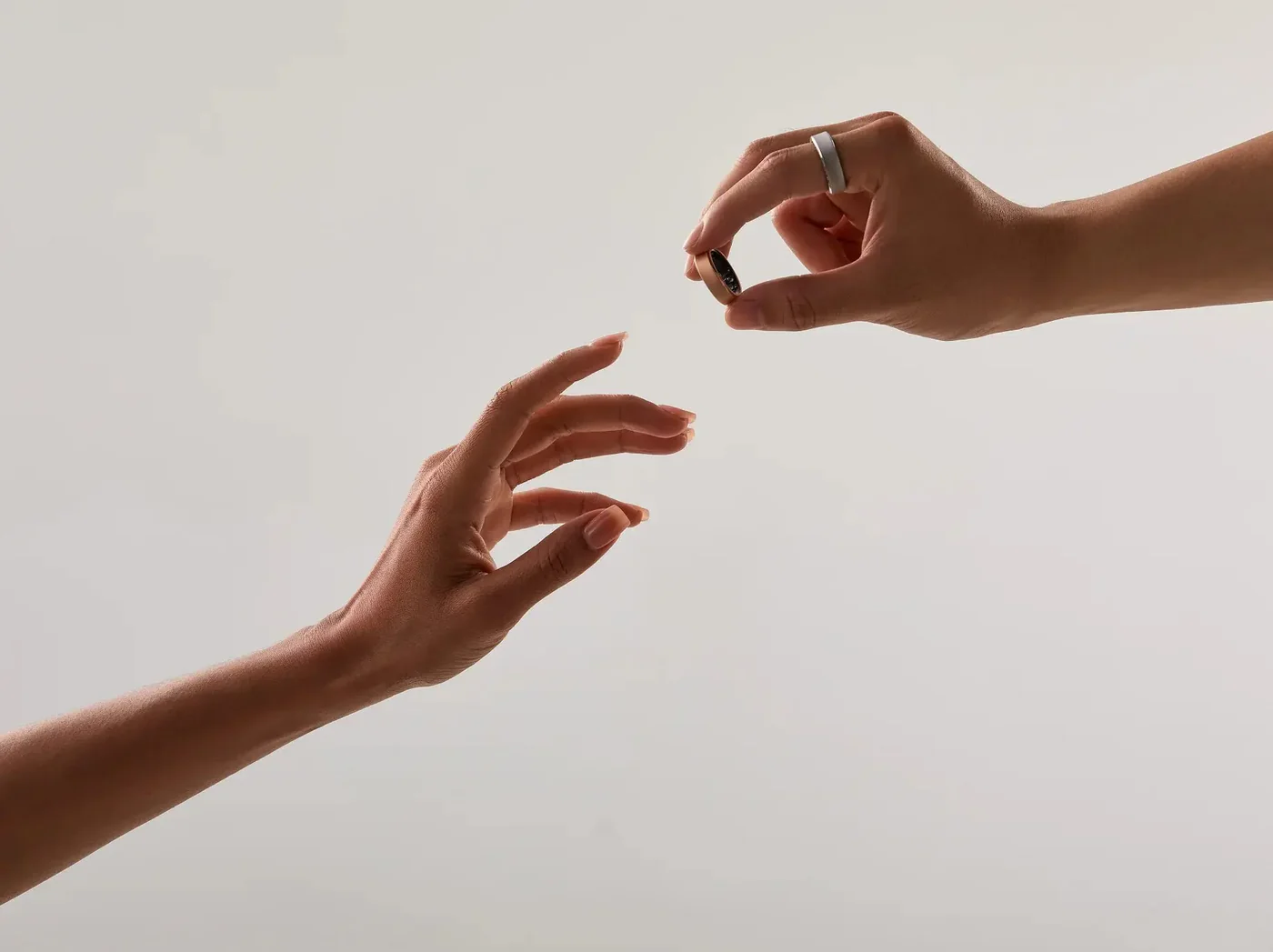
A recent evaluation by TechCrunch has resulted in the return of the RingConn 3 smart ring, highlighting significant discrepancies between the device’s marketing claims and its actual performance. The reviewer, testing the device for ten days, cited inaccurate fitness tracking and a failure to detect a severe migraine episode as the primary reasons for sending the hardware back. The decision to return the $349 USD unit came within the two-week window, avoiding any long-term commitment to the product.
The smart ring sector is experiencing a notable shift toward screenless, jewellery-like wearables, with American spending on fitness trackers growing 88 per cent year-on-year, according to market research firm Circana. This growth is largely driven by devices such as the Oura Ring and Whoop wristband. The RingConn 3 entered this competitive landscape with a starting price of $349 USD, positioning it below the Oura Ring 5, which starts at $399 USD and requires a $6 monthly subscription for full functionality. The reviewer specifically chose the RingConn 3 to avoid the subscription model associated with Oura.
Aesthetically, the device received positive feedback. The rose gold model, measuring 2.3 mm in thickness, was praised for its ability to pass as normal jewellery, particularly when stacked with other rings. The reviewer noted the comfort of the fit and the solid build quality of the brushed metal version, which appeared resistant to scratching during the short trial period. However, the reviewer did not have sufficient time to test the claimed 14-day battery life or long-term durability.
Performance issues, however, undermined the device’s value proposition. The ring’s workout detection algorithm proved unreliable, failing to identify stationary exercises such as Pilates while incorrectly flagging short, two-minute walks as significant workouts. The reviewer described the data as largely confirming known personal habits, such as the impact of alcohol on sleep, without providing actionable insights that would justify the purchase price.
The most critical failure involved the headache detection feature, which monitors heart rate variability to predict oncoming migraines. During a severe migraine episode that lasted an entire weekend, the device reported that the user was in “top form,” providing no warning or alert. Given the failure of this key health feature and the inaccurate fitness tracking, the reviewer opted to return the device rather than continue using it.
