RGIII reveals Texas missed chance to recruit him as quarterback in 2008
The 2011 Heisman winner stated on the "Joel Klatt Show" that he would have transferred to the University of Texas under modern portal rules, citing a missed opportunity by the Longhorns during his initial recruitment.
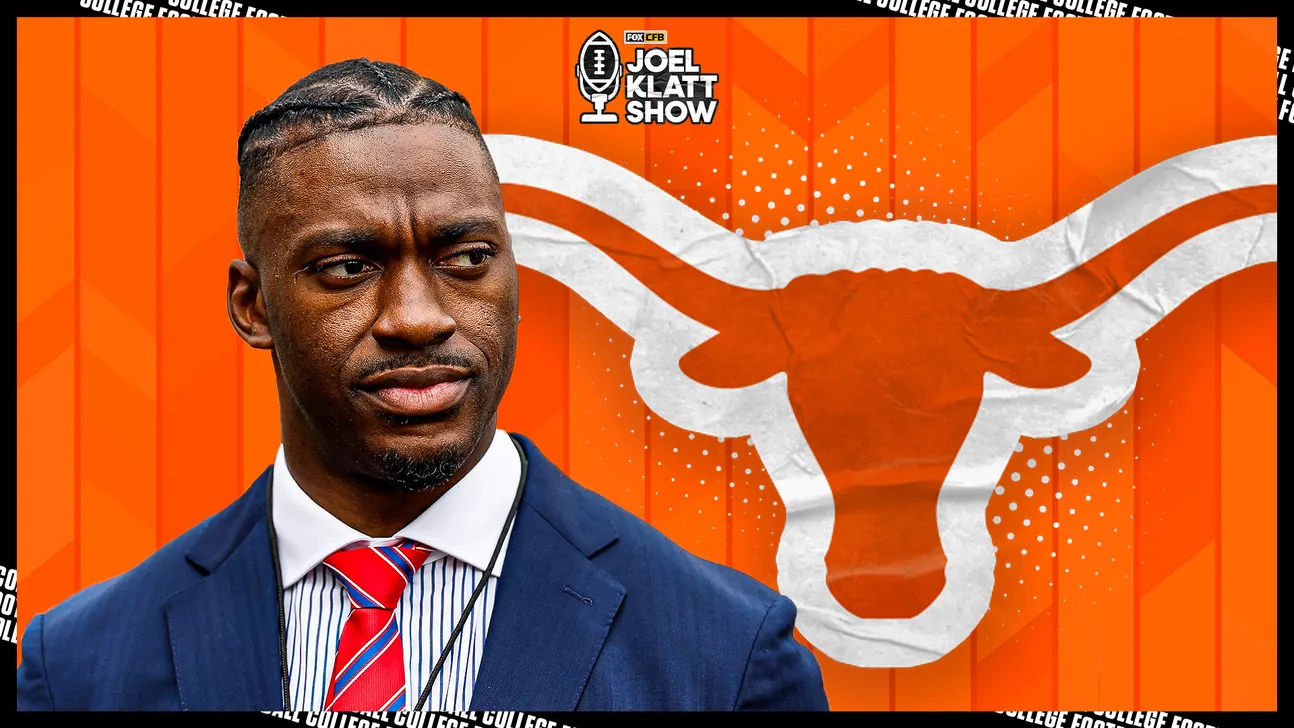
Robert Griffin III has disclosed that the University of Texas missed a significant opportunity to secure his services as a quarterback during the 2008 season. Speaking on the "Joel Klatt Show," the former Baylor star detailed a conversation with then-Texas head coach Mack Brown following a game against the Longhorns. Brown admitted to Griffin that the program had made errors in his initial recruitment, specifically by targeting him as a safety rather than a quarterback.
The interaction occurred after No. 5-ranked Texas defeated a 3-6 Baylor team 45-21 on 8 November 2008. Despite the loss, Griffin performed well in the first quarter, recording a touchdown run and a 55-yard reception with Kendall Wright to tie the score at 14. Brown approached Griffin at midfield after the final whistle, offering him a transfer opportunity. Griffin recalled Brown telling him, "If you want to transfer to Texas right now, we will take you," while acknowledging that the Longhorns "messed it up" in his recruitment process.
Griffin declined the offer in 2008 due to the NCAA transfer rules of the time, which required a player to sit out a full year to be eligible at a new institution. He also valued Baylor’s decision to recruit him as a quarterback from the outset. Griffin noted that top programs, including Texas and Texas A&M, had been sceptical of his slight frame, which he attributed to his background as a "world-class" track athlete at Copperas Cove High School. Baylor, however, did not share those doubts regarding his ability to translate his skills to the college level.
Under the current transfer portal regulations, which allow for immediate eligibility without a sit-out penalty, Griffin stated he likely would have moved to Texas. He conceded that in a modern-day scenario, the situation would probably have resulted in him not playing at Baylor, despite the Longhorns' original oversight. This hypothetical shift highlights the changing landscape of college football recruitment and player mobility.
The 2008 decision ultimately shaped the trajectories of both programs. Texas went on to win the 2009 BCS National Championship, while Griffin established himself as a star at Baylor, winning the Heisman Trophy in 2011. Griffin’s comments provide a retrospective look at how institutional recruitment strategies and regulatory frameworks influence the careers of elite athletes.
The revelation underscores the importance of accurate player evaluation in college football. By misidentifying Griffin’s primary position, Texas forfeited a potential asset during a period when the program was competing at a high level. Griffin’s willingness to discuss this alternate history offers insight into the complexities of recruitment and the long-term impact of institutional decisions on player development.