Retrograde review: Donné Ngabo channels Sidney Poitier in Melbourne Theatre Company’s taut drama
The newcomer’s breakout performance anchors Ryan Calais Cameron’s play, which dramatises a 1950s meeting between the film legend and an NBC lawyer amid anti-communist hysteria.
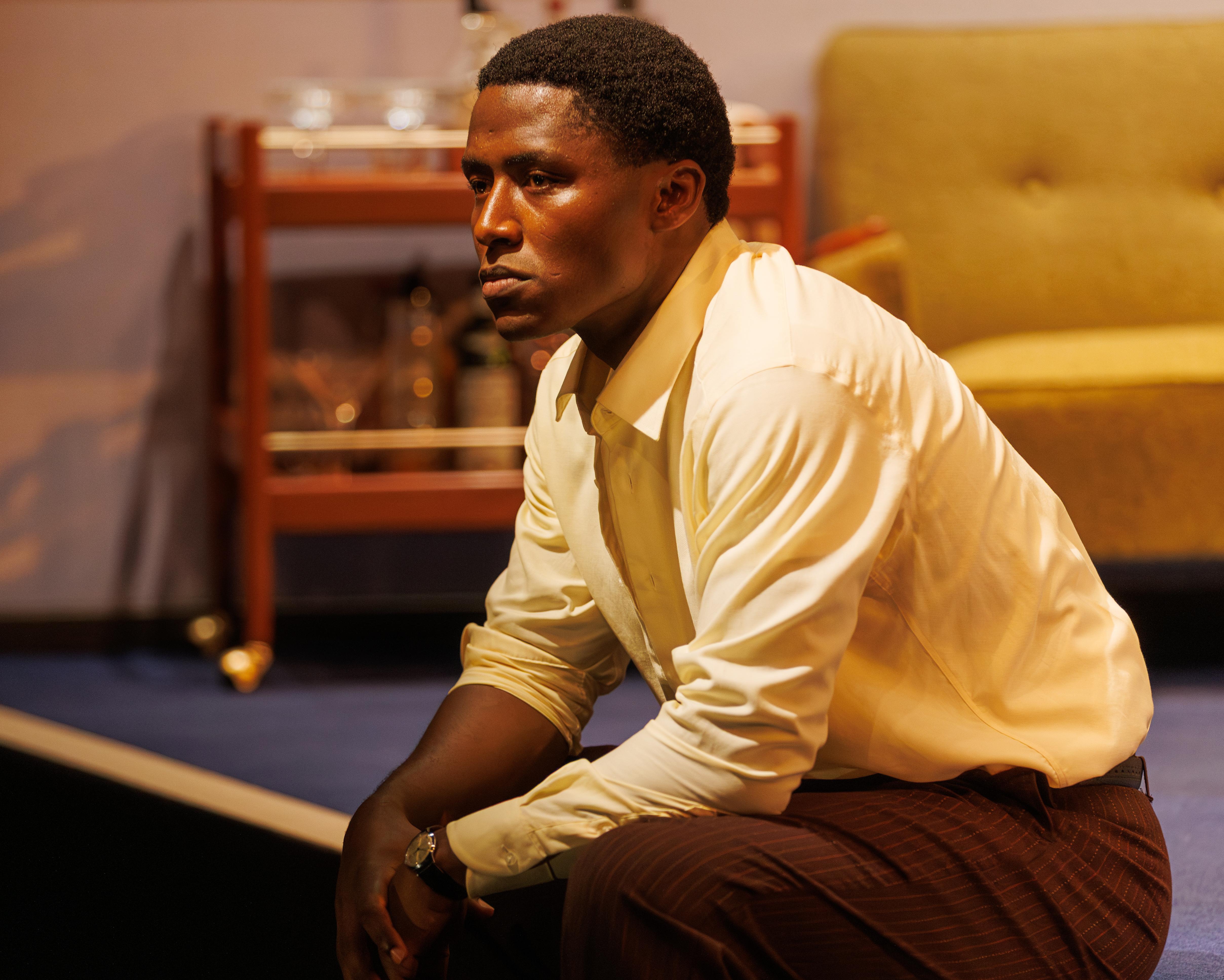
Melbourne Theatre Company’s production of Ryan Calais Cameron’s Retrograde offers a transfixing stage encounter between screen legend Sidney Poitier and NBC lawyer Mr Parks. Directed by Bert LaBonté, the play is a taut three-hander that dramatises a real historical meeting in the 1950s, exploring the racial divisions and anti-communist paranoia that defined the era. The production runs at Fairfax Studio, Arts Centre Melbourne, until 27 June.
Newcomer Donné Ngabo delivers a breakout performance as Poitier, capturing the actor’s distinctive physicality and voice with uncanny precision. Ngabo’s portrayal is described as indistinguishable from the real thing, blending grandeur and dignity with the luminous rage that underpinned Poitier’s career. The performance anchors a narrative that shifts from a simple contract signing to a moral reckoning over loyalty and identity.
The plot centres on Poitier’s meeting with Mr Parks, played by Alan Dale, who presents a contract contingent on a loyalty oath. Parks, representing network interests, pressures Poitier regarding his associations with figures such as Harry Belafonte and Paul Robeson, leveraging the anti-communist hysteria whipped up by Senator Joe McCarthy. Josh McConville plays Bobby, a screenwriter and friend caught between the two men, attempting to mediate the escalating tension.
The production’s aesthetic reinforces the period setting, with Zoe Rouse’s set design depicting a clean, mid-century modern New York corner office. The visual style is complemented by Rachel Lee’s unobtrusive lighting and Jethro Woodward’s sound composition, creating a polished environment that contrasts with the volatile interpersonal dynamics. The script features sharp witticisms that land with physical impact, heightening the sense of conflict.
While the play takes dramatic liberties with timelines and facts, blurring the edges of social realism, it remains a stirring examination of conformity and resistance. The production is described as emotionally manipulative yet cathartic, using the historical moment to reflect on contemporary struggles against bigotry. Ngabo’s clarion performance ensures the play feels like a fresh wind, bringing a cultural colossus back to the stage to challenge the McCarthyists of our own time.