Retirement of TAT-8 Highlights Critical Role of Undersea Cable Infrastructure
Engadget reports on the retrieval of the first transatlantic fibre-optic cable, underscoring the physical backbone that carries 99 per cent of global internet traffic and the logistical complexities of maintaining it.
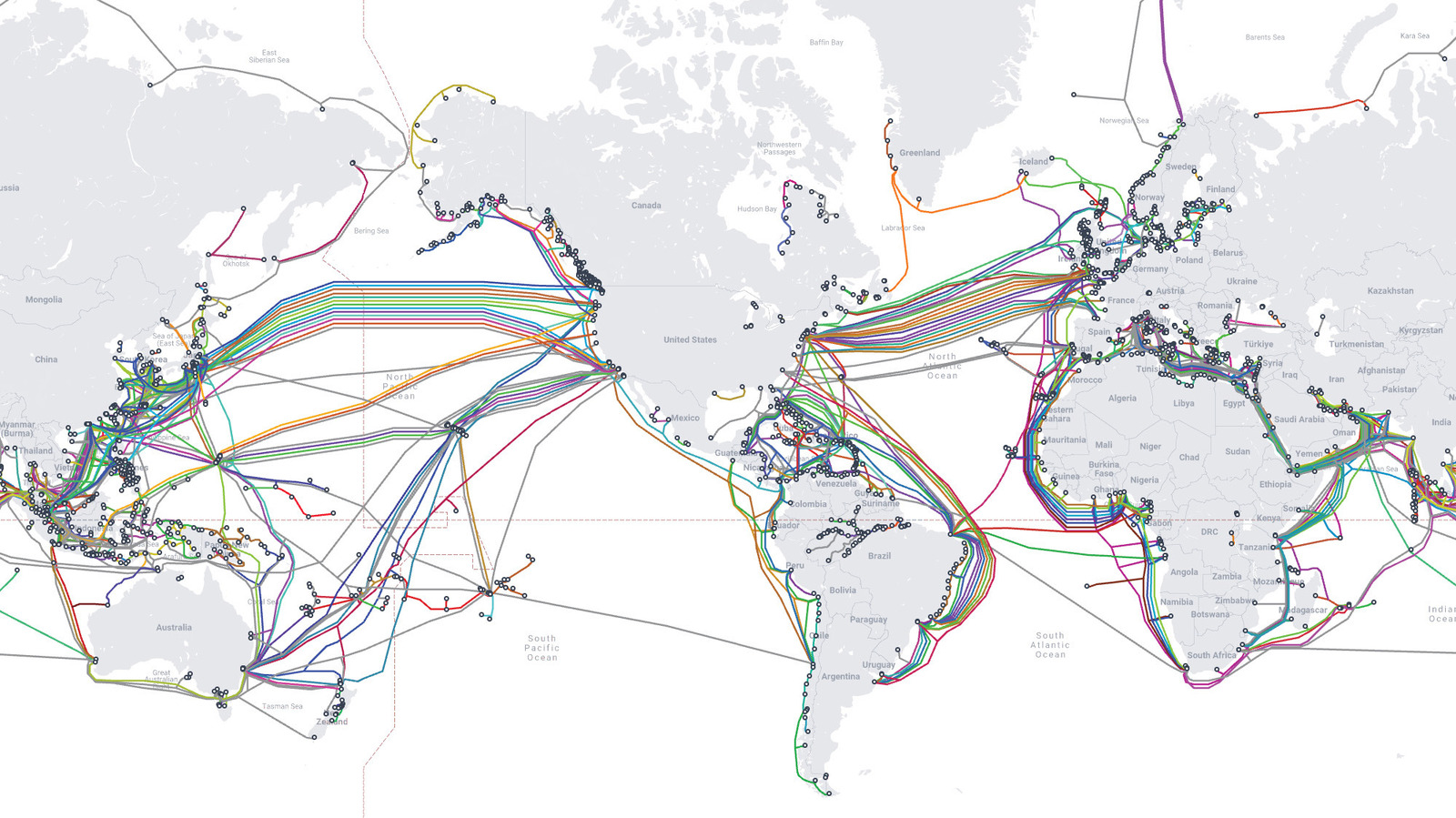
The retrieval of TAT-8, the inaugural transatlantic fibre-optic cable, marks the end of an era for undersea telecommunications infrastructure. After 38 years of active service and nearly 25 years of disuse on the ocean floor, the cable was recovered to clear seabed space for new installations and to recycle its valuable copper components. The operation highlights the physical reality behind the digital economy, as approximately 99 per cent of international data traffic relies on this submerged network.
According to reports from Engadget, there are currently over 500 undersea cables in operation globally. If laid end to end, these cables would stretch more than one million miles, wrapping around the Earth multiple times. Each cable is roughly the thickness of a garden hose, containing glass fibre strands no thicker than a human hair. Data transmission occurs via laser pulses sent through these fibres at billions of pulses per second, with multiple laser colours carrying separate data streams simultaneously.
The installation process is a complex logistical undertaking. Engineers chart routes to avoid underwater obstacles before spooling the cable onto ships, a process that can take about a month. Once deployed, the ships move at approximately 6 miles per hour, with crews at sea for months to complete the routing. This slow, methodical pace is necessary to ensure precise placement, though rough weather can force workers to cut the line and wait for conditions to improve before resuming operations.
Despite their robust design, these cables face significant risks. The International Telecommunication Union (ITU) reports 150 to 200 cable incidents annually, with 80 per cent attributed to human activity such as ship anchors or fishing trawlers. While redundant lines typically ensure connectivity in most areas, remote regions remain vulnerable. For instance, Tonga lost internet and telephone communications for over a month in 2022 after a volcanic eruption damaged its sole connecting cable.
The average lifespan of an undersea cable is approximately 25 years. TAT-8 had been decommissioned since 2002 when a fault developed that was prohibitively expensive to repair. Its recent recovery underscores the importance of managing seabed space for new infrastructure. While satellite internet services like Starlink are growing, they account for only a tiny percentage of total global internet traffic, leaving undersea cables as the indispensable backbone of international communications.
