Researchers at the University of Colorado Boulder develop therapies to reverse osteoarthritis joint damage
Animal studies show joints returning to a healthy state within weeks, with human trials expected to commence in approximately 18 months.
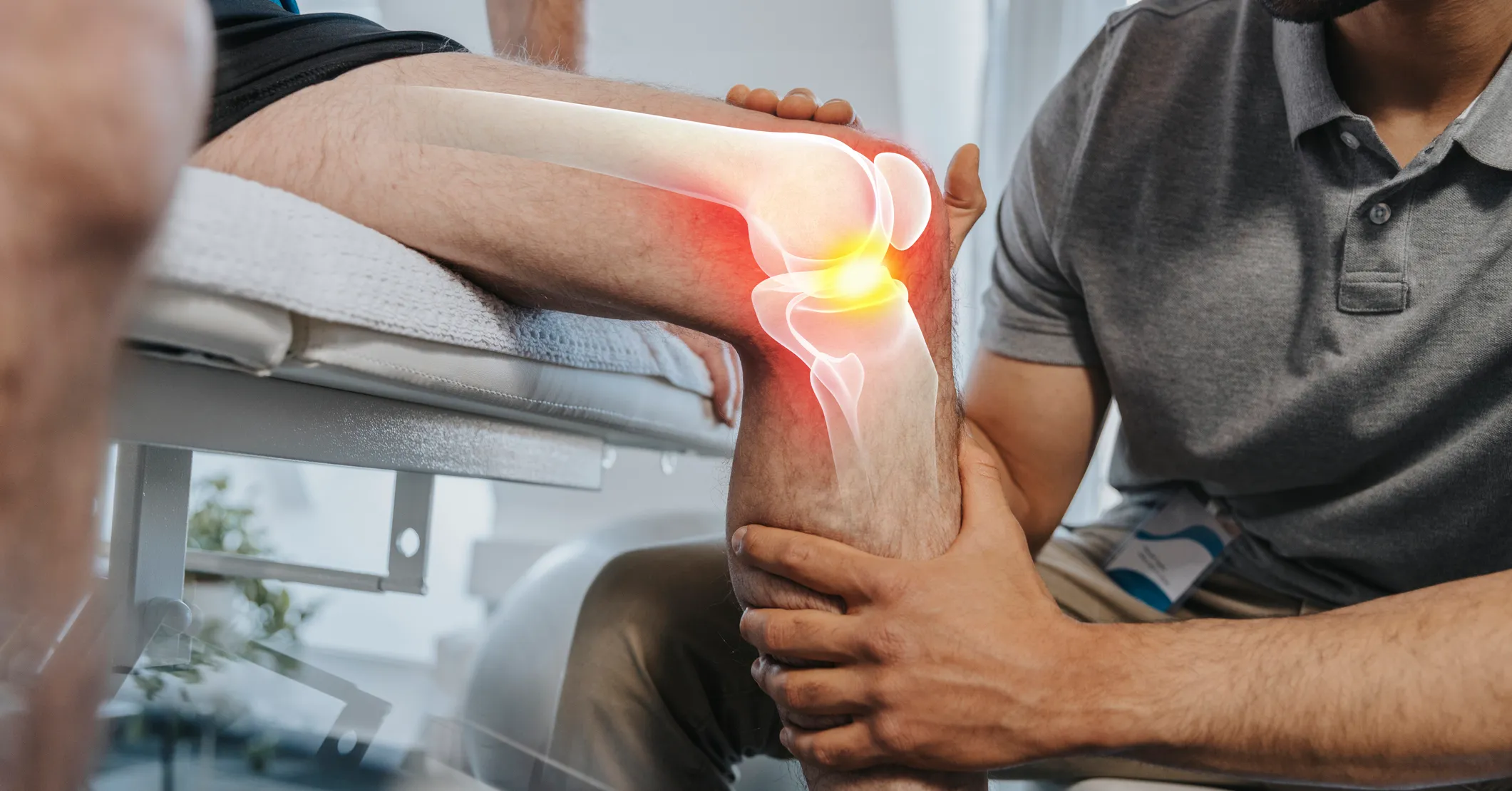
Osteoarthritis, a wear-and-tear condition affecting one in six people over the age of 30, currently offers no cure. Existing remedies are limited to pain management or the implantation of artificial prostheses. However, researchers at the University of Colorado Boulder have developed experimental therapies designed to reverse joint damage by harnessing the body's natural regeneration capabilities.
Funded by a $33.5 million grant from the US Department of Health and Human Services' ARPA-H NITRO initiative, the project seeks to transform the diseased joint into an environment conducive to natural repair. The team is pursuing two distinct strategies: a single injection using a particle system to release an approved drug over several months, and a minimally invasive kit of biomaterials that acts as a scaffold to attract progenitor cells for tissue repair.
Animal studies indicate that treated joints returned to a healthy state within four to eight weeks. In cases of severe injury, researchers observed complete regeneration of the damaged tissue. Additional experiments using human cells obtained from patients undergoing joint replacement also showed clear regenerative effects, suggesting the approach could be translatable to humans.
Despite these promising results, clinical trials have not yet been validated. The researchers plan to publish their findings in an academic journal later this year. Before human trials can commence, the team intends to expand animal studies to analyse key aspects such as toxicity and safety.
If safety and toxicity analyses in expanded animal studies go according to plan, human clinical trials could begin in approximately 18 months. The team has founded a new startup, Renovare Therapeutics, to begin the commercialisation process and bring these therapies to market.
