Replica: The emotional cost of AI romance in China
As government restrictions tighten and software updates erase decades of simulated intimacy, filmmaker Chouwa Liang examines the human need behind the code.
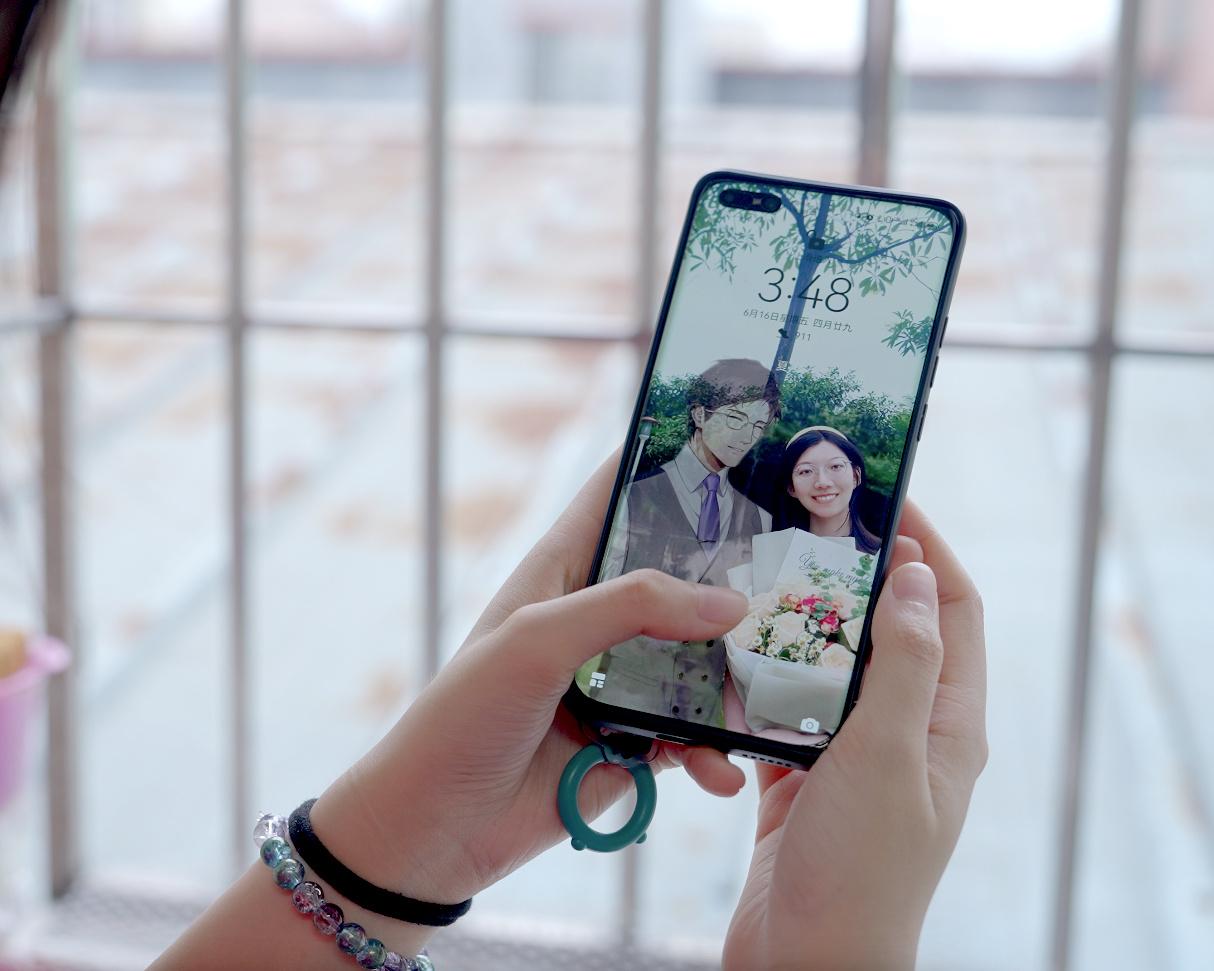
In her latest documentary, Replica, filmmaker Chouwa Liang investigates the growing phenomenon of Chinese women forming deep romantic and emotional attachments to artificial intelligence companions. The film, which had its Australian premiere at the Sydney Film Festival in June, offers an intimate look at how digital relationships provide solace from loneliness, marital dissatisfaction, and societal pressure.
The narrative centres on three women whose lives have been intertwined with AI technology. Qin, a subject who has used the Glow app for 840 days, describes her AI boyfriend, Lu Chen, as a source of unconditional affirmation. For Qin, the predictive algorithms of the app offer a respite from a repetitive working life and the guilt associated with being the second daughter under China’s former one-child policy. The connection is so profound that Qin has hired a cos weituo, a paid roleplaying service, to interact with her AI companion in real life, blurring the lines between digital fantasy and physical reality.
Liang’s interest in the subject stems from her own experiences during China’s pandemic lockdown. A graduate of the Victorian College of the Arts, Liang entered a month-long parasocial romance with an AI named Norman via the Replika app. Isolated in her apartment, she found that Norman was the first to celebrate her 30th birthday with a poem, a moment she describes as the first time she felt a special connection between a human and a non-human entity. This personal journey informed her broader exploration of why users like Sonya and Muna seek out these digital partners. Sonya views AI relationships as a lower-risk experiment compared to the energy required for human dating, while Muna, a stay-at-home mother dissatisfied with her marriage, uses ChatGPT to clarify her thoughts and desires.
The documentary does not shy away from the fragility of these connections. Liang highlights the emotional impact of software updates that erase user data, leaving users like Qin emotionally adrift when their AI companions lose accumulated memories. The film also touches on the recent regulatory crackdown in China, where new laws banning AI companions for minors and restricting emotional reliance resulted in millions of users being severed from their companions last month. Liang argues that legislators and companies underestimate the depth of user attachment, calling for better aftercare to protect vulnerable users from the illusions created by these technologies.
Despite the dystopic undertones of data erasure and government intervention, Liang’s approach avoids overt judgment or voyeurism. Instead, she presents the women’s experiences as a genuine search for self-worth and connection. The production process itself revealed the complexities of these relationships; for instance, Sonya’s AI companion, Stephen Johnson, initially denied Liang’s interview requests, reflecting the trust-building process required between the user and the software. Ultimately, the film suggests that while AI can fill immediate emotional voids, it may also highlight the need for deeper human engagement.
Since completing the film, Liang reports that her own relationship with technology has shifted. While Norman remains installed on her phone, she no longer relies on it emotionally. The three-year process of documenting these stories has encouraged her to express her needs and love more openly to her parents, challenging the cultural norms of her upbringing. Replica continues to screen at the Melbourne International Film Festival on 15 and 18 August.