Renewables funds see record inflows as war in Iran drives energy security focus
Capital markets witness a significant shift as investors prioritise energy security amid the conflict in Iran, according to data from the Financial Times.
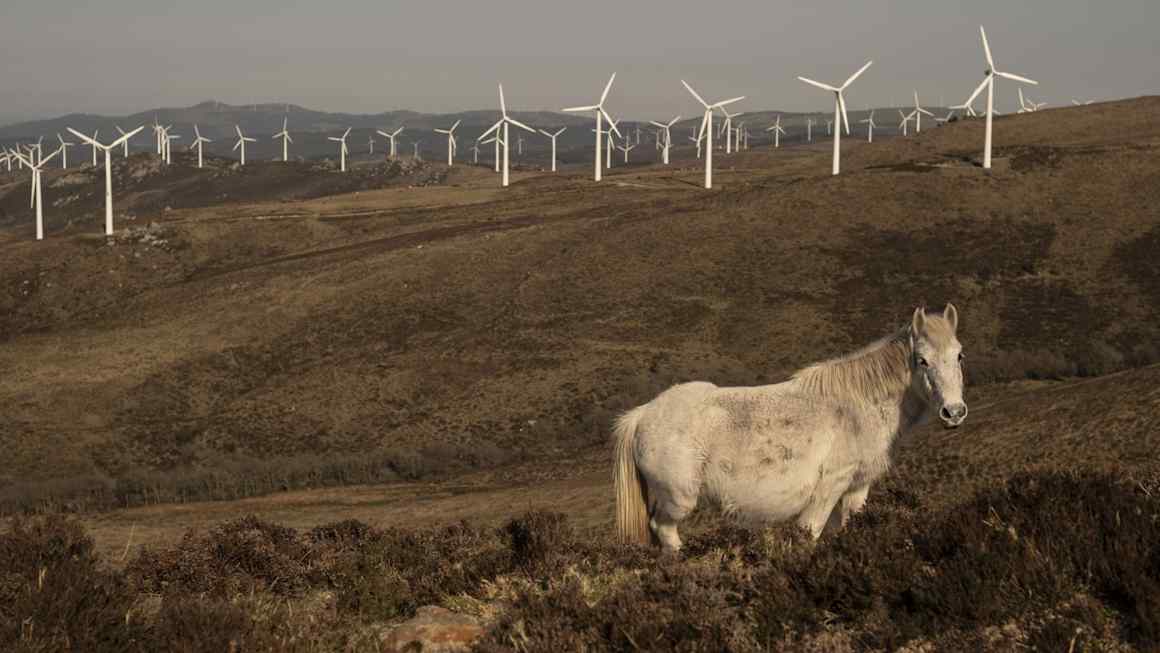
Renewables funds have attracted their largest investment flows in five years, marking a distinct departure from the climate-driven narratives that previously dominated the sector. This surge in capital is being driven by a renewed focus on geopolitical stability, specifically in response to the war in Iran and the urgent push for energy security.
The shift represents a strategic realignment where investors are actively seeking to mitigate risks associated with instability in the energy sector. According to reporting by the Financial Times, the primary catalyst for this movement is the ongoing conflict, which has forced a re-evaluation of traditional investment priorities towards more defensive, security-oriented assets.
Contextualising the geopolitical backdrop, the war has resulted in a prolonged national internet blackout in Iran, one of the longest recorded globally following airstrikes by the United States and Israel. Government ministers have acknowledged that this digital silence has severely impacted the nation's economy, with significant daily financial losses cited as a consequence of the disruption.
While the investment surge is notable, the available data does not quantify the specific magnitude of the five-year record in monetary terms. The Financial Times highlights the causal link to the Iran conflict but notes that other concurrent global factors influencing energy markets may also be contributing variables to the current market dynamics.
Furthermore, the long-term sustainability of this investment surge remains an open question once the immediate geopolitical crisis stabilises. The pivot from climate change concerns to security-driven strategies suggests a temporary but potent shift in investor sentiment, heavily influenced by the volatility surrounding the region.
The Financial Times continues to track these developments, providing primary data on the flow of capital into renewables as the market adjusts to a new reality defined by geopolitical risk rather than solely environmental imperatives.