Reeves unveils summer savings scheme as Starmer freezes fuel duty
The Treasury estimates the motorist component of the package at £400m, while thinktanks warn the benefits skew toward higher-income households
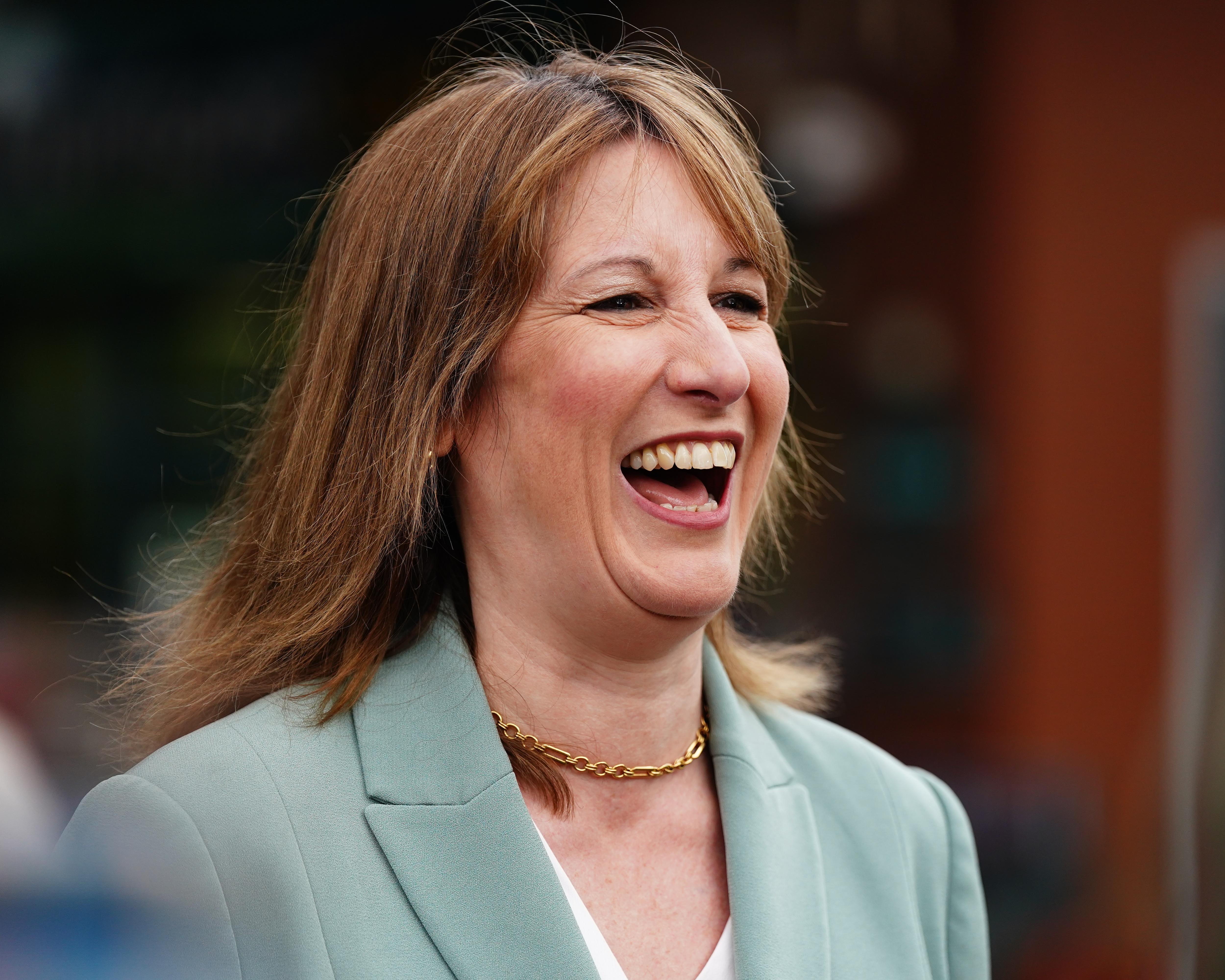
Chancellor Rachel Reeves is set to outline the Great British Summer Savings Scheme in the House of Commons on Thursday, a package designed to cushion households against inflationary pressures stemming from the conflict in Iran. The initiative includes free bus travel for children aged 15 and under throughout August and the removal of tariffs on specific food imports such as biscuits, chocolates, and dried fruits.
Prime Minister Keir Starmer has already confirmed that planned fuel duty increases, previously scheduled for September and December, will be postponed until the end of the year. Speaking at prime minister’s questions on Wednesday, Starmer announced a 12-month vehicle tax holiday for hauliers and a one-third cut in duty on red diesel used by farmers. These measures are intended to keep transport costs down amid rising global energy prices.
The Treasury estimates the cost of the motorist-related measures, including the 5p fuel duty postponement and the red diesel discount, at approximately £400m. While the government has not clarified whether the full 5p increase will be reinstated in January, it indicated that the timing of any future adjustment will be determined at the autumn budget.
The package has drawn criticism from the Resolution Foundation, which argues that the support disproportionately benefits wealthier demographics. Jonathan Marshall, the foundation’s principal economist, noted that low-income families remain significantly poorer than before the last energy price shock and will likely be worst affected by rising food and energy bills. He stated that the richest fifth of households are expected to gain more than twice as much as the poorest fifth from the announced support.
This intervention follows a previous attempt by the Treasury to secure voluntary deals on cut-price staples from supermarkets, which failed after retailers, including Marks & Spencer, criticised the regulatory burdens. The government has distinguished its approach from the 2022 energy rescue package under Liz Truss, emphasising fiscal responsibility and avoiding an across-the-board rescue. With UK inflation falling to 2.8% in April, Reeves aims to demonstrate economic stability as political challenges within the Labour party loom.