Reeves introduces 5% VAT cut on summer attractions amid Iran conflict fallout
The Treasury estimates savings of up to £17 for family days out, while industry leaders warn that rising energy costs remain a structural threat to UK manufacturing resilience.
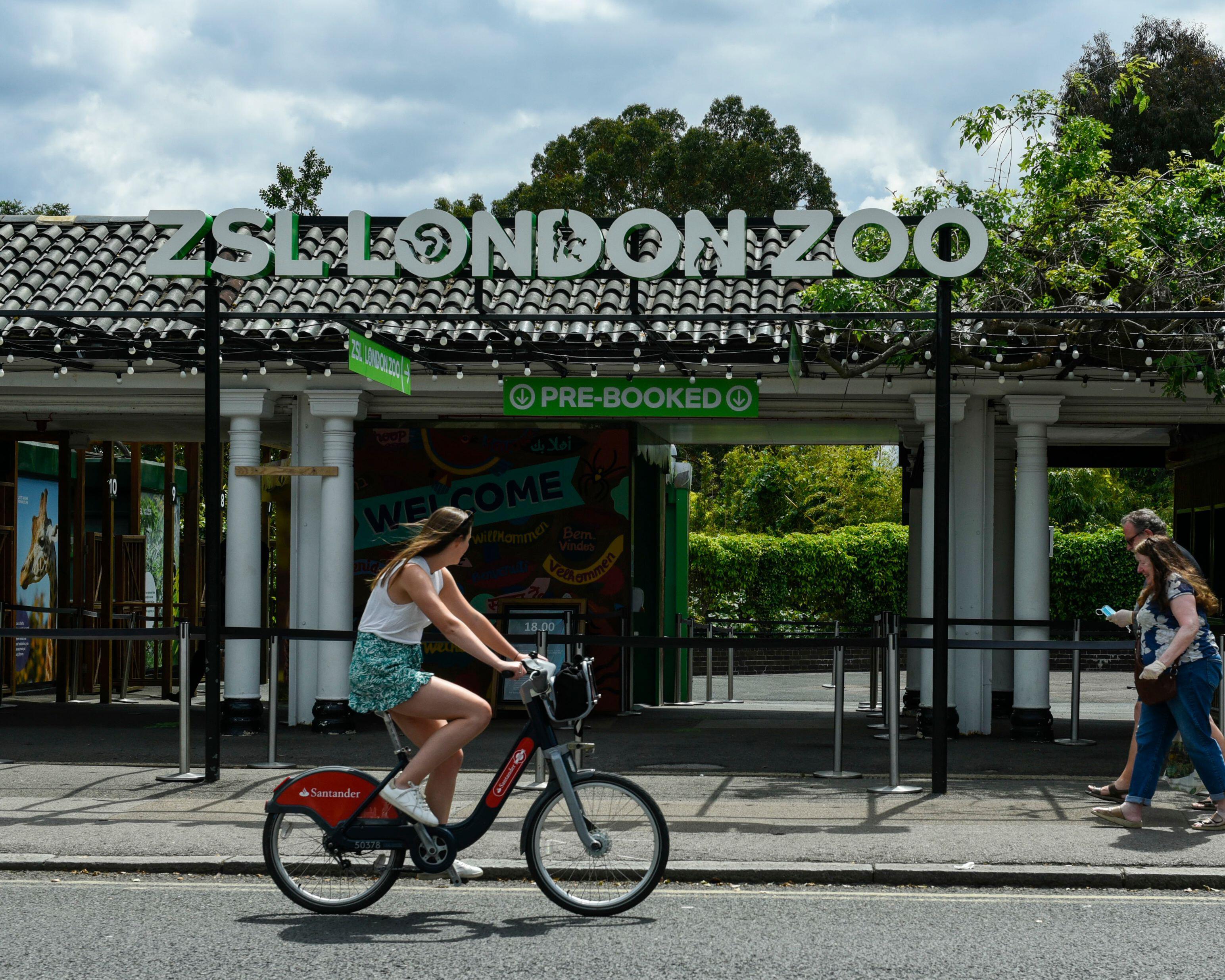
Chancellor Rachel Reeves has announced a temporary reduction of value-added tax to 5% on summer attractions, including theme parks, zoos, and children’s meals, as part of a broader cost-of-living support package. The initiative, titled Great British Summer Savings, runs from 25 June to 1 September and includes free bus rides for under-16s in England during August. The measure aims to mitigate the economic impact of the war in Iran on households, with the Treasury estimating that if savings are passed on, the cut could reduce the cost of a child’s cinema ticket by £1.50 or a family day out at a wildlife park by £17.
To fund the scheme, the government is implementing several fiscal adjustments. Reeves confirmed a freeze on fuel duty increases that were due in September and December, alongside a suspension of import tariffs on certain foods such as chocolate and biscuits. The chancellor also raised the tax-free mileage rate for workers by 10p, a move intended to assist employees who drive for work, from care workers to plumbers. While an ambitious proposal for fixed staple food prices was rejected by retailers, Reeves expects supermarkets to pass on the tariff savings in full to consumers.
The financial burden of the summer savings scheme will be partly offset by changes to the foreign branch profits regime, designed to increase tax revenue from global oil firms operating in the UK. Reeves stated that the reforms would end practices where multinational oil groups pay little or no corporation tax on their UK energy trading profits, expecting to raise several hundred million pounds. She emphasised that those benefiting from increased energy prices and volatility must pay their fair share.
Support for industries affected by rising energy costs was also outlined, with £350m allocated for a critical chemicals resilience fund and £120m for the ceramics sector. The quarterly cap for household gas and electricity prices is expected to rise to approximately £1,850 from July. While the Treasury highlighted that the UK economy was the fastest growing in the G7 in the first quarter of the year, Reeves declined to detail support measures for the upcoming winter when utility bills are projected to rise sharply.
Political and industry reactions were mixed. Paul Nowak of the TUC welcomed the practical steps but warned that the economic fallout from the Iran war is likely to worsen, urging bolder government action. Mel Stride, the shadow chancellor, criticised the government’s overall economic management, arguing that the current measures offer little comfort to those affected by job losses and business closures. Meanwhile, Make UK welcomed the industrial support but cautioned that high electricity prices continue to pose a significant risk to national resilience and security.