Recursive Superintelligence secures $650m to build self-improving AI
The San Francisco-based startup has assembled a team including Peter Norvig and Tim Shi, with plans to ship commercial products within quarters rather than pursuing a research-only model.
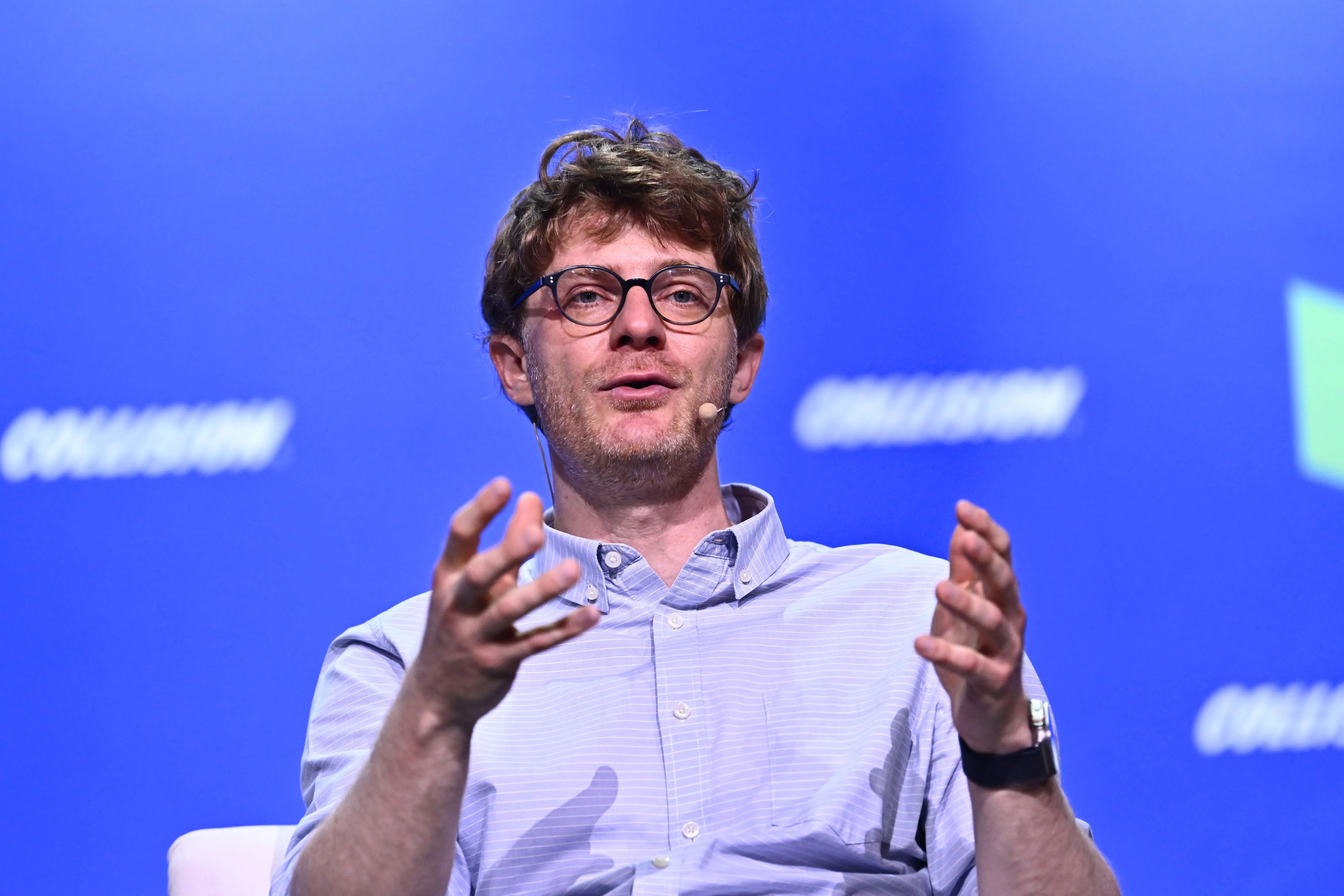
Richard Socher, the former founder of You.com, has launched Recursive Superintelligence, a San Francisco-based artificial intelligence startup that has raised $650 million in funding. The venture aims to develop a recursively self-improving AI system capable of autonomously researching and redesigning its own architecture without human intervention. Socher described this capability as the long-held holy grail of contemporary AI research, distinguishing the company from research-focused competitors by emphasising its intent to deliver commercial products within quarters.
The founding team comprises several prominent figures in the technology sector, including Peter Norvig, Cresta co-founder Tim Shi, and Tim Rocktäschel, a former Google DeepMind researcher who led open-endedness teams. Also joining the venture is Josh Tobin, one of the earliest employees at OpenAI who previously led their Codex and deep research teams. Socher explicitly rejected the label of a "neolab"—a term often applied to new AI startups that prioritise theoretical research over immediate product development—stating that the group is focused on building a viable company with tangible outputs.
Recursive Superintelligence’s technical approach centres on the concept of open-endedness, a methodology Rocktäschel previously explored at Google DeepMind through work on the Genie 3 world model. Socher argued that simply asking an AI to improve another system does not constitute true recursive self-improvement. Instead, the company intends to automate the entire cycle of ideation, implementation, and validation, allowing the system to develop an awareness of its own shortcomings and address them independently.
To address safety concerns inherent in such autonomous systems, the company utilises a mechanism termed "rainbow teaming," also developed by Rocktäschel. This process involves two AI agents co-evolving through adversarial testing, where one system attempts to generate harmful outputs while the other defends against them. Socher noted that this iterative process allows the primary system to be inoculated against negative behaviours, a technique that has since been adopted by major industry labs.
Socher indicated that once the system reaches a certain threshold of intelligence, compute power will become the primary resource for further improvement, shifting the global challenge to resource allocation for solving specific problems. While acknowledging that the timeline for shipping products may accelerate based on recent progress, Socher maintained that the team’s track record of building real products, including Shi’s success with Cresta, positions the venture to move faster than typical research labs.