Record heat forces European power plants offline as grid faces cooling strain
France shuts a reactor and limits output at others after river temperatures exceed regulatory limits, while UK gas plants cut supply as demand for cooling surges.
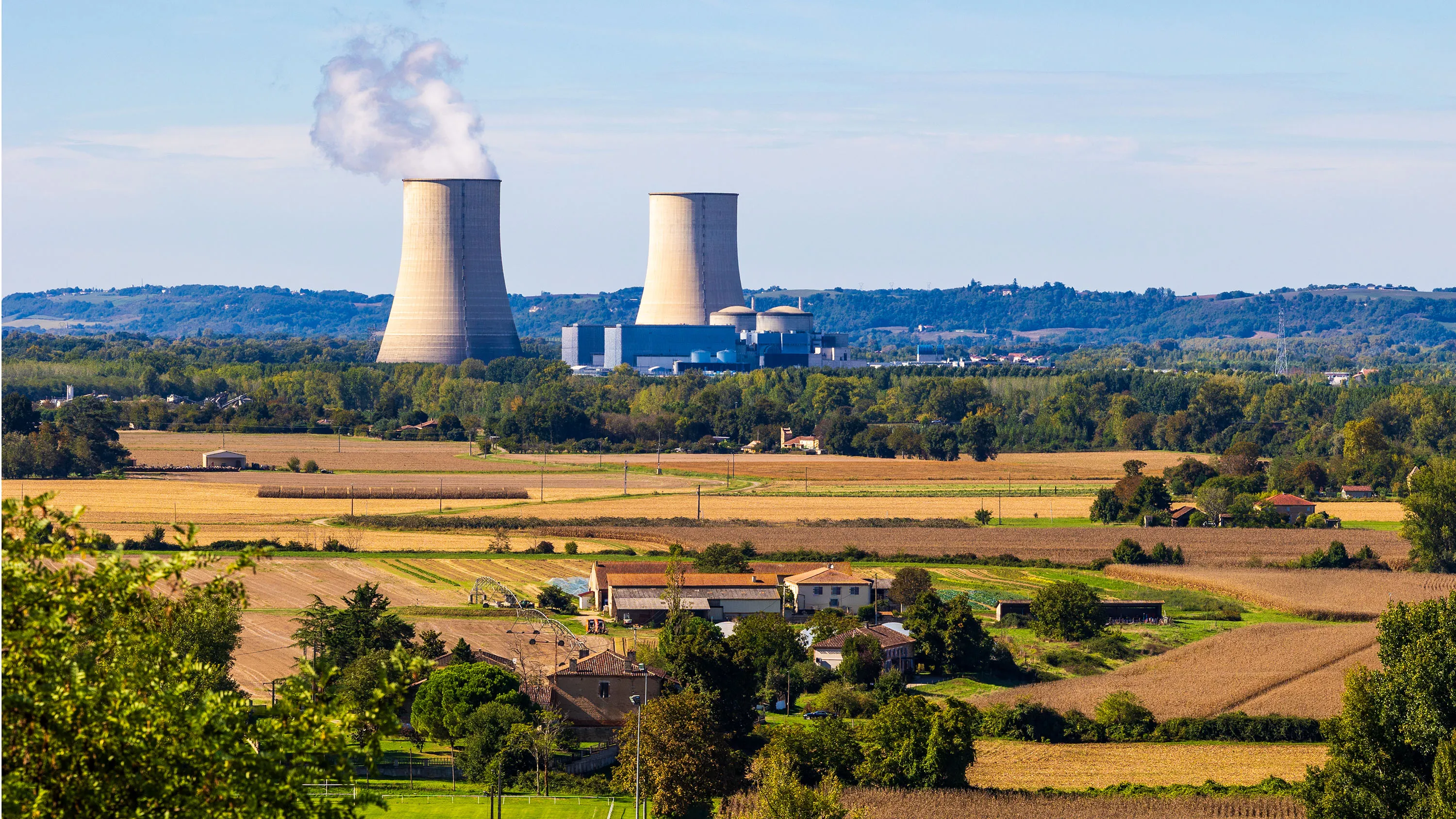
Record-breaking heatwaves across Europe are forcing the shutdown or reduction of output at nuclear, gas, and hydropower facilities. The extreme temperatures are straining power grids as demand for cooling rises, while simultaneously reducing the efficiency of generation infrastructure that relies on cool water or suffers from heat stress.
On June 23, France recorded its hottest day since record-keeping began in 1947, with temperatures climbing to over 44°C. The prolonged heat warmed rivers used for cooling, prompting EDF to take action. Unit two at the Golfech nuclear power plant in southern France shut down at approximately 11:45 p.m. on June 22. The decision followed the Garonne River water reaching expected temperatures of 28°C, which exceeded French regulatory limits for return water temperature.
EDF is also limiting output at other reactors across the country. A ramp-down occurred at the Nogent-sur-Seine power plant, with further limitations expected later in the week. Grid operator RTE stated that despite these outages and reductions, demand would still be met. This follows a similar event in July 2025, when at least seven gigawatts of nuclear energy were forced offline during a heatwave.
The impact extends beyond nuclear facilities. Five gas plants in the UK reported output reductions due to heat stress on equipment and cooling towers, cutting approximately 2.5 gigawatts from the supply. Hydropower has also faced challenges, with high temperatures and low water conditions cutting European hydropower supplies by 13% in the first five months of 2025 compared to the previous year.
Rising cooling demand is the primary factor stressing the grid. The number of UK homes using air-conditioning has roughly doubled since 2022. The International Energy Agency projects that global energy use for cooling will double by 2050 relative to 2023 levels. To address these vulnerabilities, EDF estimates that upgrades to nuclear and hydropower operations across France will cost about €600 million per year over the next 15 years.
