RBA on track for fourth rate hike despite broadening property slump
With house prices falling in over 90 per cent of suburbs, economists forecast a 10 per cent national decline, yet inflation remains the dominant driver for the Reserve Bank’s next move.
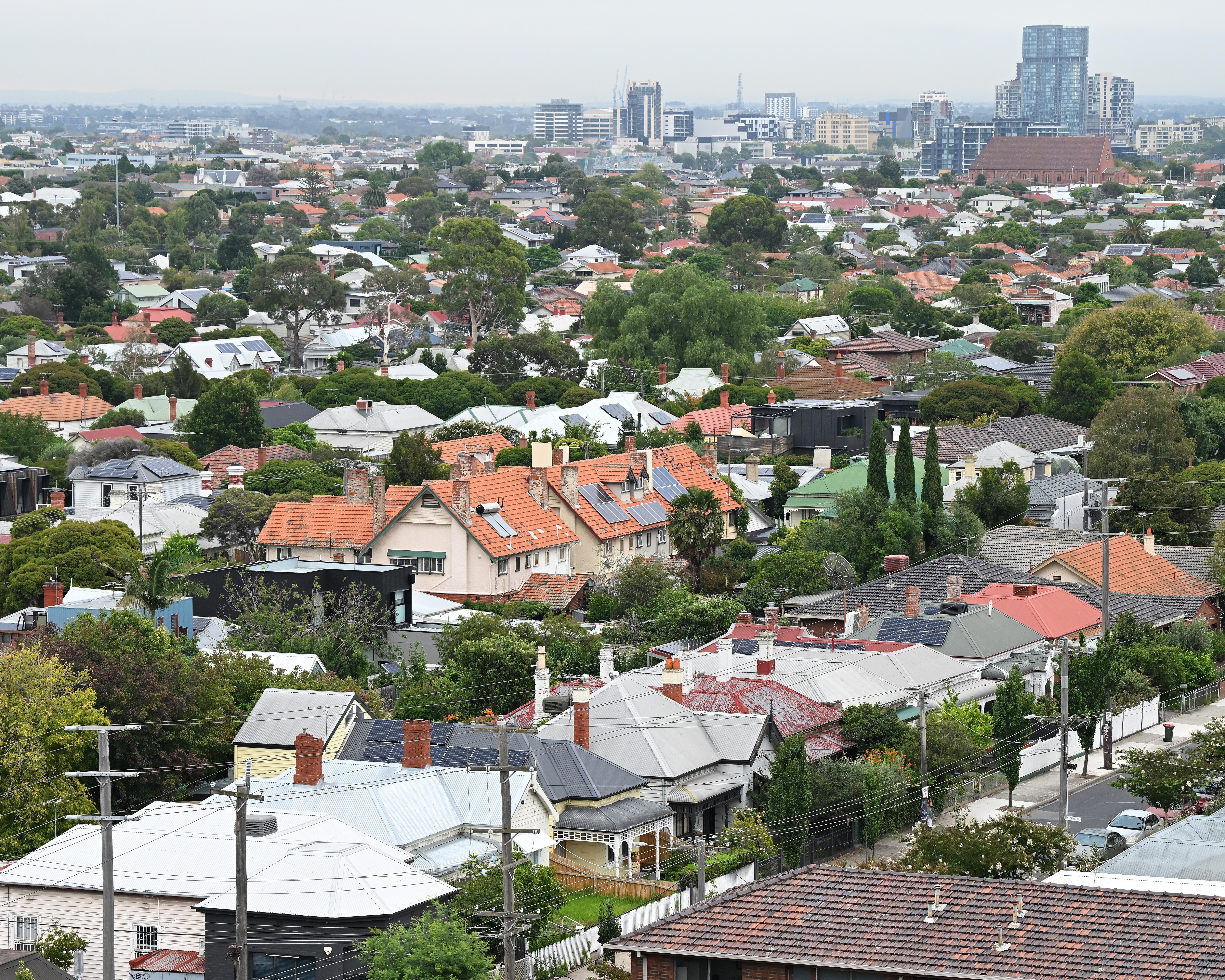
The Reserve Bank of Australia is expected to deliver a fourth interest rate hike to combat persistent inflation, even as new data indicates a significant downturn in the property sector. Cotality data released on 1 September revealed that house prices are now falling in more than 90 per cent of Australian suburbs. The decline is being driven by a combination of higher borrowing costs, a weakening economy, and changes to the tax treatment of property investors.
AMP chief economist Shane Oliver forecasts that average home values will continue to fall over the next six to nine months. He predicts that national property prices will drop by approximately 10 per cent from their recent peak, a decline he describes as the worst in the postwar period. While this figure is not drastically different from previous corrections, such as the 8 per cent decline seen in 2022–23, the current pace of the drop is notable.
CBA analysts have provided more granular forecasts, predicting eventual price drops of 12 to 13 per cent in Sydney and Melbourne. In the capital cities of Brisbane, Perth, and Adelaide, the expected decline is 8 per cent. Despite these projected losses, Oliver noted that the downturn would likely only return housing affordability to levels seen a year ago, meaning structural issues remain unresolved for many buyers.
RBA Governor Michele Bullock has indicated that the housing market is not the primary factor in the bank’s monetary policy decisions. Speaking at a press conference on 11 August, Bullock stated that the downturn was “not the main game” and highlighted that property prices remain 50 per cent higher than they were in 2020. This perspective suggests the bank will prioritise bringing inflation under control over protecting the property market.
Economists anticipate that the fourth rate hike will occur at the November meeting. Challenger chief economist Jonathan Kearns, a former senior RBA official, agreed that while the correction is coming harder and faster than anticipated, it is not yet large enough to halt the hiking cycle. He and Oliver both believe the board will think twice but ultimately continue to raise rates because inflation remains the more pressing issue.
The decision comes as the broader economy shows signs of slowing. CBA head of Australian economics Belinda Allen expects GDP to have expanded by just 0.1 per cent in the quarter to June, which would represent the weakest growth in two and a half years. Allen noted that rolling supply shocks, increased domestic spending, and weaker productivity growth are keeping inflation high, indicating that the RBA still has significant work to do.