Ray-Ban Meta Optics review: A better fit comes with a higher price
Meta and Essilor Luxottica have refined their second-generation Ray-Ban frames to better accommodate prescription wearers, but the premium fit and advanced AI features come with a steep price tag and lingering data privacy questions.
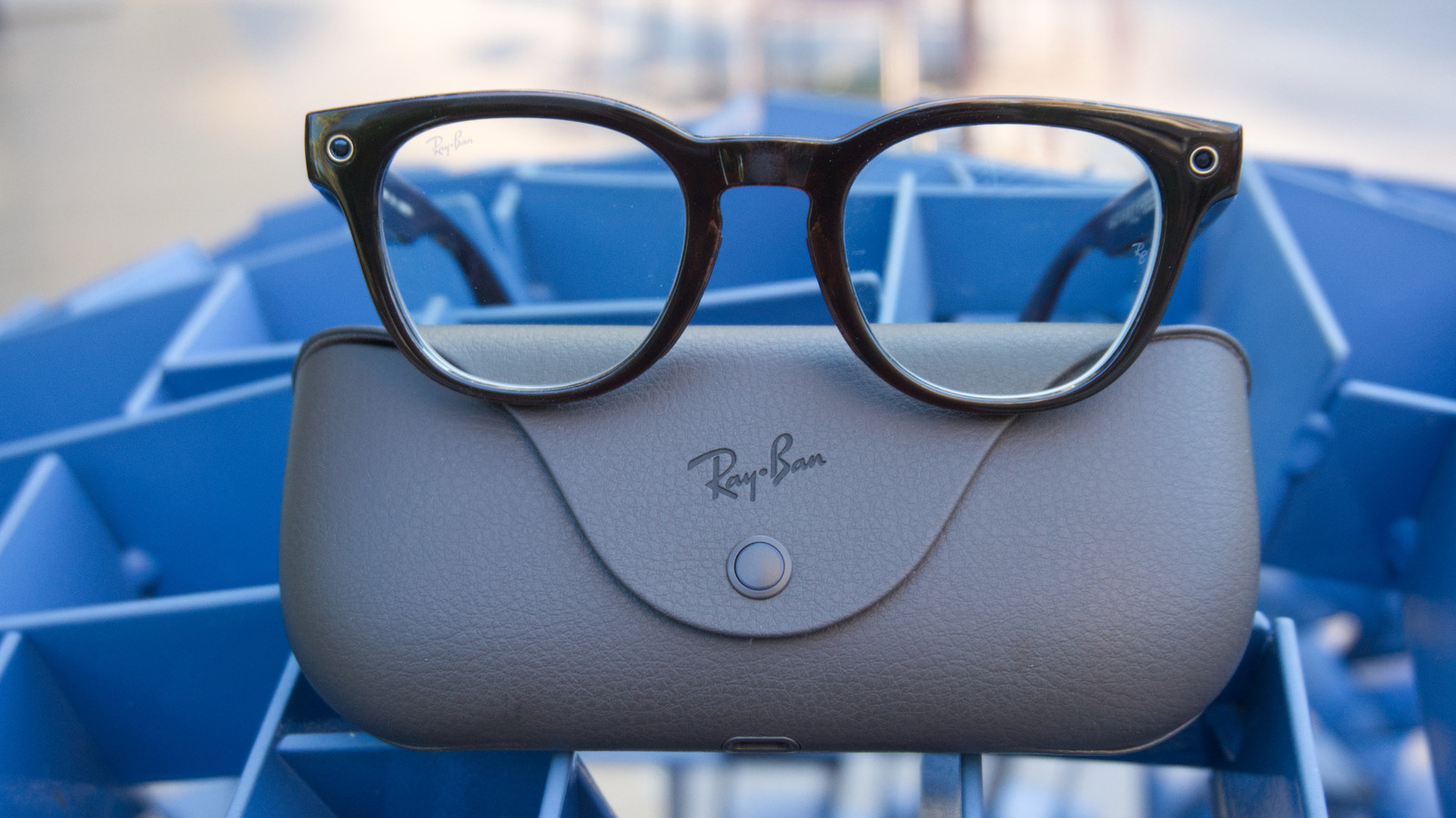
Engadget has published a detailed review of the Ray-Ban Meta Optics, a new iteration of smart glasses designed specifically for prescription lens compatibility. The device features hardware updates including swappable nosepads, moldable frame tips, and a new action button for custom shortcuts. Software enhancements include an upgraded Meta AI assistant powered by the 'Muse Spark' model. While the frames offer improved comfort and battery life exceeding eight hours, the review highlights that adding prescription lenses can increase the total cost to over $700. The article also notes ongoing privacy concerns, including the removal of code for an unreleased facial recognition feature and changes to voice recording storage policies for US users.
The Ray-Ban Meta Optics frames feature swappable inner nosepads (including 'high bridge' and 'low bridge' options) and moldable tips for a more secure fit compared to previous generations. A new 'action button' has been added to the end of the main capture control, allowing for custom shortcuts (e.g., reading text messages) without voice activation. Meta AI is now powered by the 'Muse Spark' model, offering improved responsiveness, conversational ability, and a 20-second post-speech listening window. The reviewer tested the 'Scriber' style frames and noted they felt more subtle and natural than previous brightly coloured or super-dark styles. Battery life for the Blayzer and Scriber frames is rated at 'more than 8 hours', with the reviewer confirming usage well beyond this threshold with intermittent audio and AI use.
The 'nutrition info' feature via Meta AI was found to be inconsistent, with errors in identifying food types, slice counts, and calorie estimates. Meta has removed code for an unreleased facial recognition feature called 'name tag' following reports by Wired, though the company has not made a final decision on the feature. Meta no longer allows US users to opt out of storing voice recordings in the cloud.
The base price for the Optics frames is $499, but adding in prescription lenses could nearly double it. The reviewer tried to price out the configuration Meta sent, which included their (not super high-powered) prescription, a blue light filter and scratch-resistant coating. It came out to over $700 before tax and shipping. And that wasn't even the most-expensive possible option (transition lenses will cost more, for example). That just feels really expensive for a pair of glasses, especially if your prescription tends to change every year. The reviewer is also not sure how realistic it is to use most vision insurance plans, considering not all practices will carry Ray-Ban Meta styles.
There have always been privacy concerns associated with Meta's smartglasses, and those have only intensified. As the reviewer noted before, Meta no longer allows people in the US to opt out of storing voice recordings in the cloud. And any time you use a multimodal feature, like asking Meta AI to provide nutrition info or analyze something in your surroundings, you're allowing the company to use that image to train its AI models. That could result in outside contractors in another country viewing and labeling those snapshots. (Meta says it doesn't train its AI on video and images you capture to your camera roll.)
More recently, there have been reports that Meta is considering adding facial recognition to its glasses. Earlier this month, researchers uncovered an unreleased version of such a feature called 'name tag.' Meta has said it hasn't made a final decision on the feature, and removed the code soon after it was reported by Wired. But all that has, understandably, increased suspicion around these products and fueled the notion that buying a pair is akin to opting into a dystopian surveillance state. The reviewer does not personally share the view that anyone who wears a pair of Meta-branded glasses is automatically a 'creep,' even though they do find the idea of a glasses-enabled facial recognition feature disturbing. But they do think these perceptions should factor into your decision to get a pair, especially if you plan to plunk down $700.
Ultimately, if you already like Ray-Ban Meta glasses, and you want to use them with your prescription, the Optics line is definitely the most comfortable, premium version you can get. It's just a question of whether you can justify what it costs.
