Rare Andes virus outbreak contained on cruise ship as passengers disembark
WHO and ECDC officials oversee disinfection protocols in Tenerife while scientists sequence the viral genome
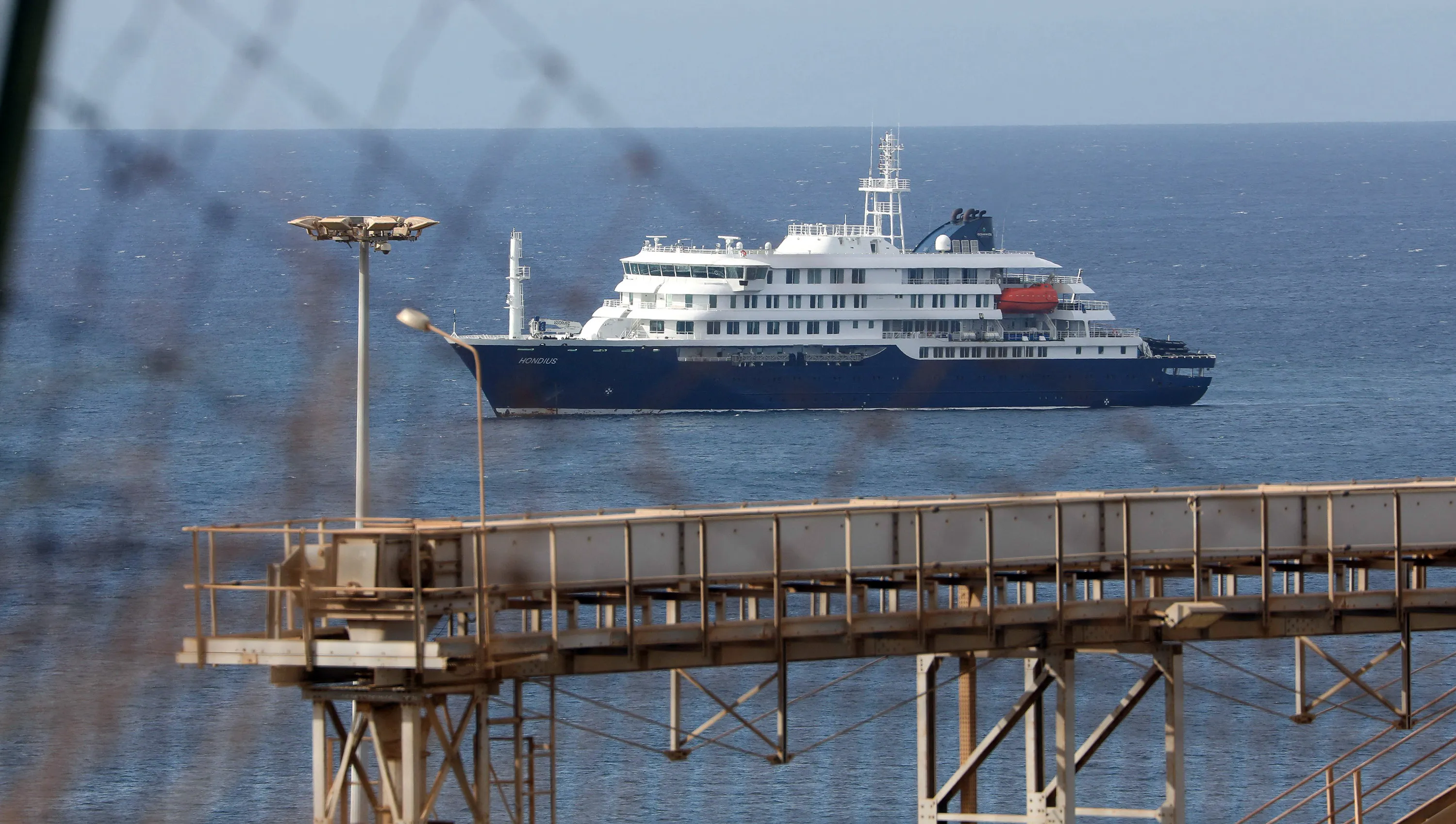
Eight passengers aboard the Dutch-flagged cruise ship MV Hondius have contracted the Andes virus, a rare strain of hantavirus capable of human-to-human transmission. The outbreak has claimed three lives and prompted the evacuation of four other ill passengers to South Africa and the Netherlands. Additionally, a man who had disembarked in Saint Helena tested positive after developing symptoms in Zurich, Switzerland.
The fatalities occurred across a short period, with the first passenger dying on 6 April, his wife passing away on 26 April following her disembarkation, and a third individual succumbing to the infection on 2 May. Health experts confirm that the Andes virus is the only known hantavirus that spreads between people, requiring prolonged intimate contact for transmission, such as that found between partners or household members.
The remaining passengers and crew are scheduled to disembark in Tenerife, Canary Islands, on Sunday, 10 May. Following this, the vessel will undergo disinfection protocols overseen by the World Health Organization and the European Centre for Disease Prevention and Control. Officials have stated that the outbreak is contained within the confined setting of the ship and does not exhibit the rapid community spread seen during the COVID-19 pandemic.
Investigations into the origin of the infection are underway, with the WHO collaborating with Argentine authorities to trace the movements of the couple who died. Both had travelled through Argentina, Chile, and Uruguay on a birdwatching trip prior to boarding the ship, visiting areas known to harbour rats carrying the Andes virus. Scientists are currently sequencing the viral genome to determine if the strain differs from previous cases, noting so far that nothing unusual has been observed.
Despite the severity of the situation, health officials emphasise that no new cases have developed among the remaining passengers on board. The incubation period for the virus is around six weeks, meaning monitoring will continue for some time. While there are currently no specific antiviral treatments or vaccines available, the WHO recommends early intensive care for those who develop symptoms, a measure that can save lives.
Concerns regarding preparedness have been raised in light of recent funding cuts to the US Centers for Disease Control and Prevention's Vessel Sanitation Program. However, WHO director-general Tedros Adhanom Ghebreyesus noted that the organisation remains in regular contact with US authorities to ensure global safety. The focus remains on ensuring the risk to residents in the Canary Islands remains low while passengers are treated with dignity.