Rare amoeba misdiagnosis claims toddler’s life, prompting diagnostic reform
A Washington state toddler died after doctors mistook a fatal brain infection for Takayasu arteritis, delaying life-saving testing by over 30 days.
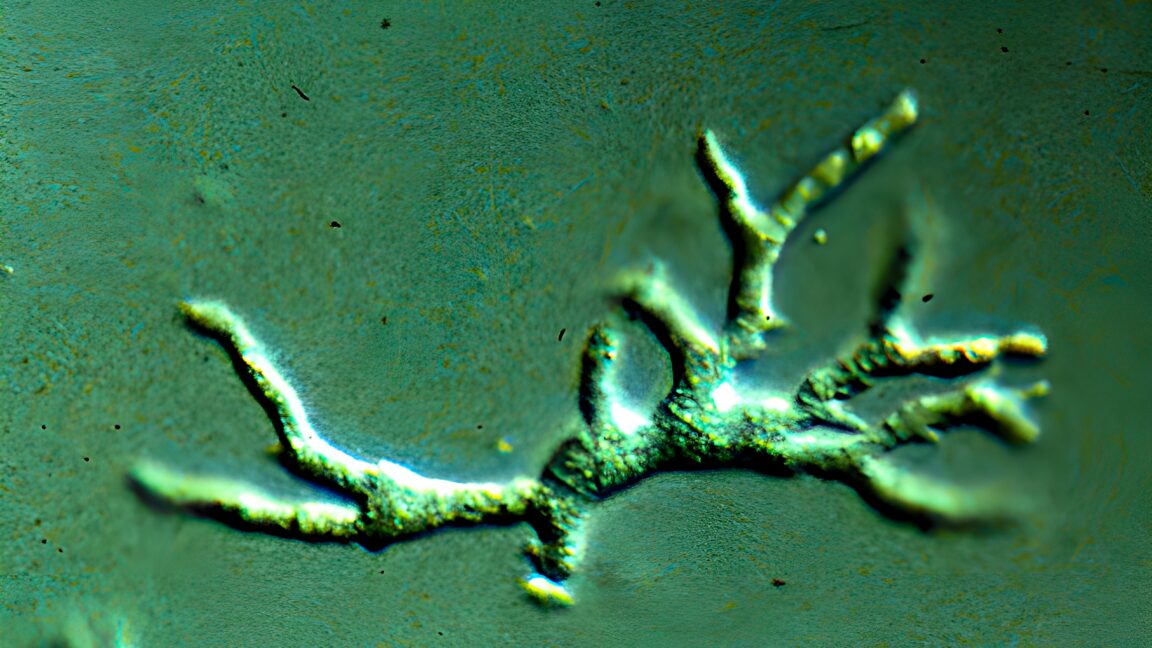
A healthy toddler in Washington state has died following an infection with Balamuthia mandrillaris, an ultra-rare amoeba that causes severe and often fatal brain damage. The child’s medical team at Seattle Children’s Hospital has published a case report in BMJ Case Reports to highlight critical diagnostic errors that delayed identification of the pathogen by more than 30 days.
The boy presented with initial symptoms including vomiting, lethargy, right-sided weakness, headache, fever, and difficulty swallowing. A computed tomography scan revealed a brain haemorrhage requiring a shunt, while further imaging showed blocked or narrowed arteries. These atypical vascular symptoms led clinicians to diagnose the boy with Takayasu arteritis, a rare inflammatory condition affecting large arteries.
Treatment involved immunosuppressive drugs, which initially improved the boy’s condition, leading to his discharge. However, he was readmitted 25 days after his first visit with recurring vomiting, fever, and lethargy. By day 28, the boy became unresponsive with pinpoint pupils and floppy muscles, necessitating intubation.
Doctors escalated immunosuppressive therapy before considering infectious causes, a decision the report notes may have exacerbated the amoeba infection. It was not until day 30, after a brain biopsy and metagenomic next-generation sequencing of cerebrospinal fluid, that Balamuthia mandrillaris was confirmed. An autopsy later revealed necrotic brain vasculature and brain tissue brimming with amoebas.
The medical team advocates for earlier diagnostic testing of cerebrospinal fluid in cases of progressive vasculitis to prevent premature diagnostic closure. They note that while early detection can be life-saving, as seen in a 2010 Kentucky case where a child survived with significant neurologic injury, delayed diagnosis in this instance resulted in irreversible brain damage and death.