Ramsey Show host warns $3 million nest egg is not immune to lifestyle creep
Citing the 4% rule and recent case studies, financial experts highlight how discretionary upgrades threaten long-term solvency for high-income retirees.
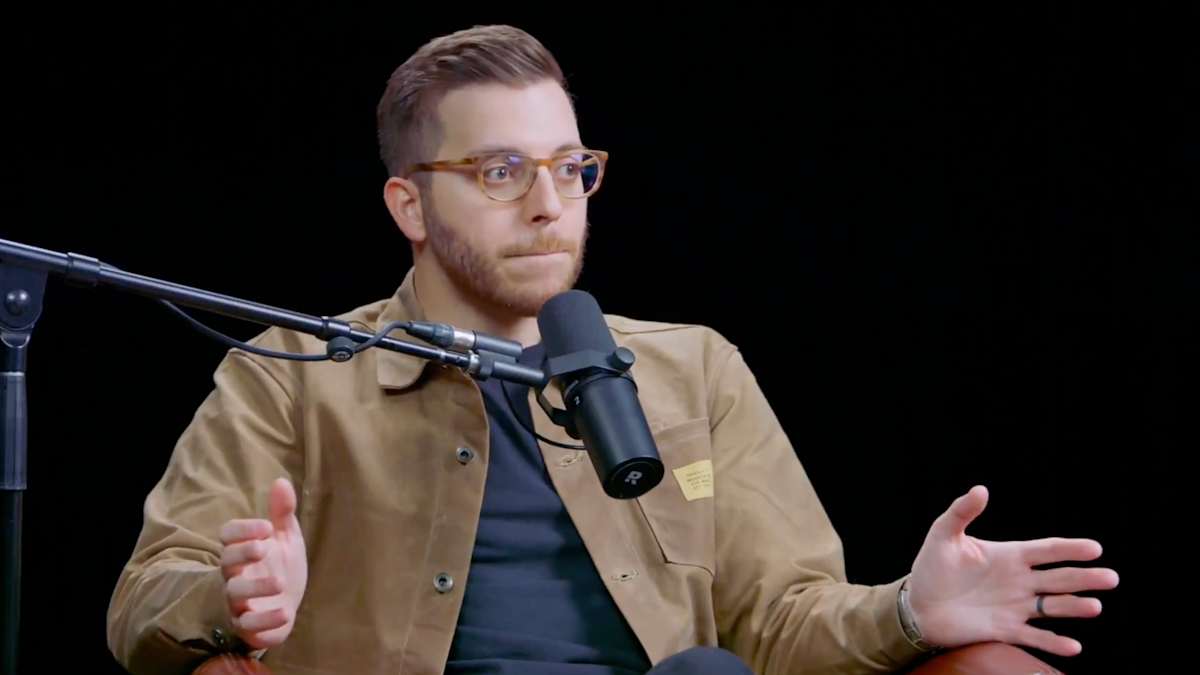
George Kamel, host of The Ramsey Show, has issued a stark warning regarding retirement sustainability, noting that a $3 million portfolio does not guarantee financial security if retirees engage in excessive spending. Speaking on a recent episode of the Iced Coffee Hour podcast, Kamel acknowledged that most individuals would be "set for life" with such a nest egg, provided they adhere to disciplined withdrawal habits. However, he cautioned that spending $20,000 per month is likely unsustainable for a portfolio of that size, potentially leading to premature depletion of assets.
The core of Kamel’s argument centres on the "4% rule," a widely cited guideline suggesting that retirees can withdraw 4% of their portfolio annually, adjusted for inflation, with a low risk of running out of money. Under this framework, a $3 million portfolio supports approximately $120,000 in annual withdrawals. Kamel highlighted that spending $20,000 monthly equates to $240,000 annually, a withdrawal rate that significantly exceeds the 4% threshold and jeopardises the longevity of the fund.
Lifestyle creep, defined as the gradual increase in discretionary spending on luxury items, travel, and housing, poses a significant threat to retirement savings. This phenomenon can affect anyone, including high-income earners who may not notice the cumulative impact of their spending habits. A case study featured in Moneywise illustrated this risk, detailing a couple in their 50s with a $300,000 annual income and no debt who ended up $30,000 in debt due to lifestyle upgrades such as business class travel and vacation properties.
Institutional data provides context for typical retirement expenditure patterns. Fidelity Investments suggests that retirees typically spend between 55% and 80% of their pre-retirement income, though this varies based on individual lifestyle choices and healthcare costs. SmartAsset notes that inflation further complicates retirement budgets, advising that it be factored into long-term financial planning even if retirees do not plan to significantly upgrade their lifestyle.
To protect savings, experts recommend separating essential expenses from discretionary spending. Essential costs such as housing, groceries, healthcare, and insurance must remain affordable even during market downturns, while luxury spending should remain flexible. Additional strategies include creating a strict retirement budget with a financial professional, reducing discretionary spending during volatile market periods, and planning early for healthcare and long-term care expenses. Discipline in spending is as critical as the accumulation of capital to ensure a nest egg lasts throughout retirement.