Ramsey advises raising car insurance deductibles to cut premiums amid cost surge
Yahoo Finance reports on Dave Ramsey’s recommendation to increase policy deductibles, citing rising US auto insurance costs and the need to cover major catastrophes rather than minor expenses.
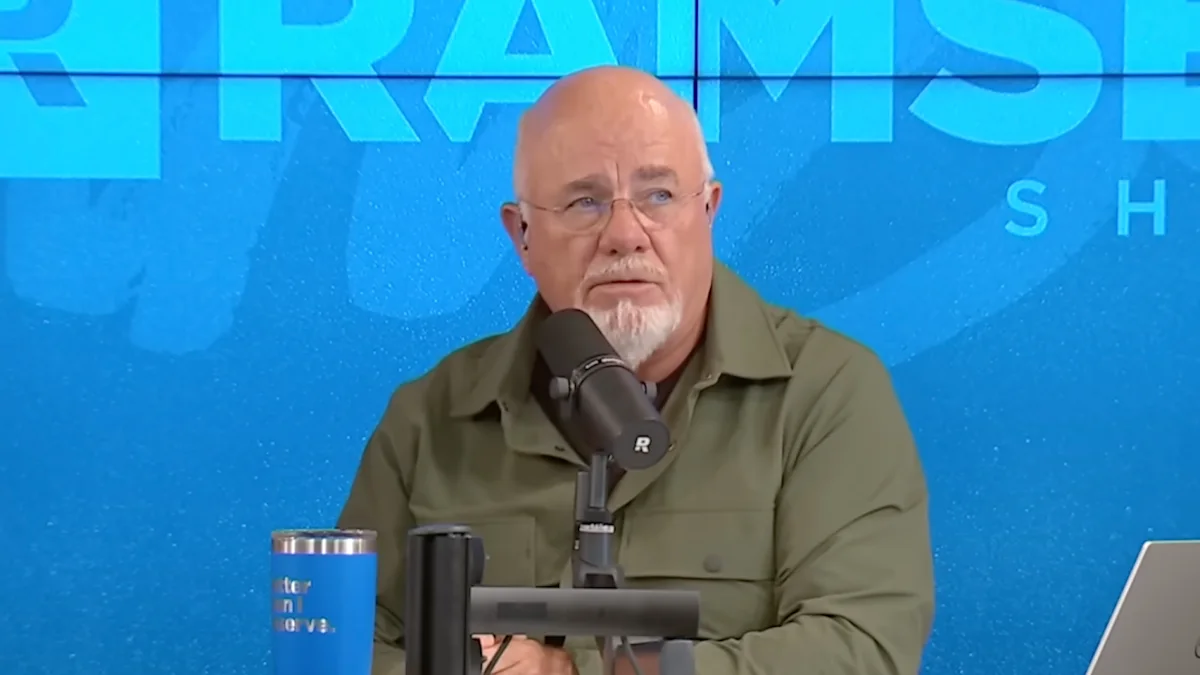
Personal finance expert Dave Ramsey has advised listeners to increase their car insurance deductibles as a method to reduce monthly premiums, a strategy published by Yahoo Finance that draws parallels to high-deductible health plans. Ramsey argued that insurance should primarily cover major catastrophes rather than minor expenses, suggesting that the monthly savings from lower premiums should outweigh the increased out-of-pocket risk provided the break-even point is reached within approximately three years.
The advice emerges against a backdrop of rising US auto insurance costs, with drivers paying an average of $1,084 every six months, an 18% increase from the previous year. Ramsey’s broader financial philosophy emphasises building emergency funds and shopping around for better insurance deals, noting that loyalty to a single insurer may result in higher rates. The article notes that consumers should compare rates to uncover cheaper options, as many insurers quietly raise rates over time even for customers with spotless records.
Ramsey provided a mathematical example to illustrate the viability of this strategy: raising a deductible from $500 to $1,000 while reducing the monthly premium from $300 to $250 results in $600 in annual savings against $500 in additional risk. He stated that if the premium drop is insufficient, such as only $10 per month, the strategy is not worthwhile as it would take more than three years to recoup the added risk. This heuristic suggests that individuals should take the savings and stash them in a high-yield savings account, ready to withdraw the money if a claim is needed.
He compared this approach to high-deductible health plans, asserting that insurance should cover major catastrophes rather than minor expenses. Ramsey noted that while high upfront costs for minor issues are manageable, catastrophic events such as a NICU stay or heart bypass can cause financial ruin. Consequently, he advised that deductibles are intended for little stuff, while insurance should be reserved for covering the big stuff that threatens financial stability.
The report highlights that 48% of Americans would not be able to cover three months of expenses if their income disappeared, underscoring the importance of building an emergency fund. Ramsey suggests breaking this process into smaller milestones, starting with $1,000 and eventually covering three to six months of essential expenses. This financial discipline is presented as a counterbalance to the rising cost of living, where managing monthly expenses is critical for long-term stability.
While the mathematical example provided is illustrative, actual savings vary significantly by individual policy, driving history, and insurer. The three-year rule is a heuristic suggested by Ramsey, and the actual break-even period depends on individual financial circumstances and the likelihood of filing a claim. The article cites general statistics on auto insurance price increases but does not provide specific data for all regions or demographics, leaving the precise financial impact to vary by consumer.