Rafa review – Netflix’s documentary couldn’t have gotten closer to Spain’s greatest ever tennis player
A four-part series offers intimate access to Rafael Nadal’s career, yet struggles to penetrate the guarded enigma of the man behind the myth.
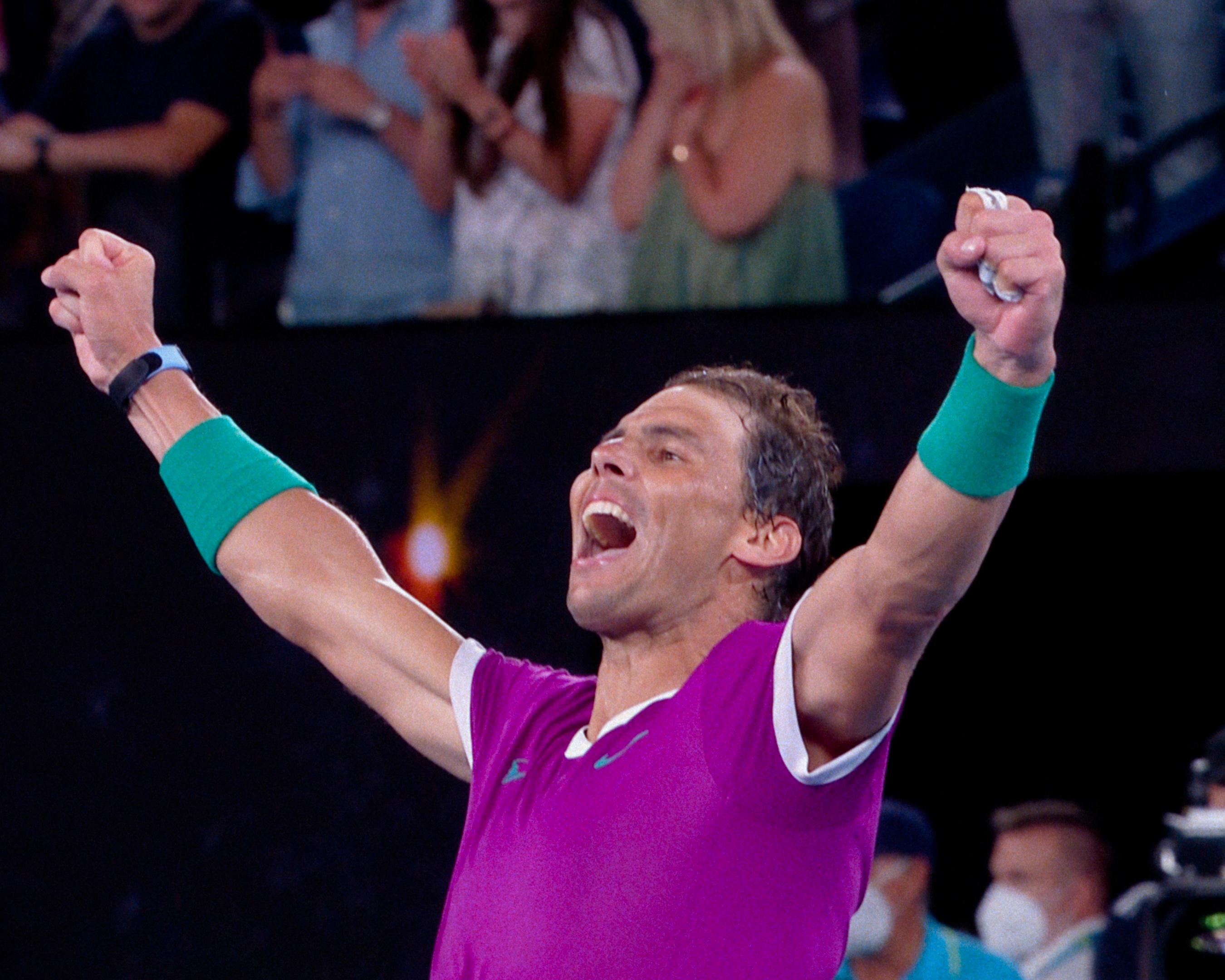
Netflix has released a four-part documentary chronicling the career of Spanish tennis legend Rafael Nadal, offering what The Guardian describes as "access-all-areas viewing." The series features extensive interviews with Nadal, his wife Maria, his coaches, opponents, and doctors, tracing his journey from a childhood in Mallorca to his recent retirement announcement. While the programme provides detailed footage of his rivalry with Roger Federer and Novak Djokovic, the review notes that this proximity does not necessarily translate into deeper insight into his motivations.
The documentary captures the elemental nature of Nadal’s early appeal, including a sequence from 2007 where he walks onto Wimbledon’s Centre Court alongside Federer. It highlights his breakthrough at the 2004 Davis Cup, where he defeated world No 2 Andy Roddick, and his subsequent struggles with injury. The review suggests the series functions as a meditation on why elite athletes, such as Lionel Messi and Cristiano Ronaldo, struggle to retire in an era defined by modern medicine and the demand for endless streaming content.
Despite the intimate access, the review argues that the series lacks perspective, describing Nadal as a "friendly if somewhat guarded enigma." The language used by Nadal regarding his wife is noted as oddly distanced, and the documentary is criticised for offering detail rather than insight. The review posits that the series is "intimate to a fault," remaining too close to its subject to allow for meaningful analysis of the prodigious will that drove his success.
The tone of the documentary is described as heavy, vacillating between "skyscraping joy and utter despair" with "zero levity." The review notes that the series requires a level of dedication comparable to Nadal’s own endurance-based playing style, filled with agonised descriptions of his medical struggles. This solemnity is framed as a product of the streaming era, where sport serves as a self-renewing TV franchise that must matter absolutely to retain its obsessive following.
In the final episode, the series captures the moment Nadal announces his retirement to his family, a scene that feeds into the parasocial pseudo-intimacy characteristic of the genre. The review suggests this may offer a form of redemption for ageing sports stars, implying that a documentary afterlife ensures their legacy is not quite over. For dedicated fans, the series is described as a goldmine, even if it remains a shadow crossing the luxurious surfaces of Nadal’s career.