Quartermaster secures $42 million to build maritime sensor network
Co-led by First Round Capital and Quiet Capital, the funding supports Quartermaster’s push to create a continuous, distributed sensing network for global shipping.
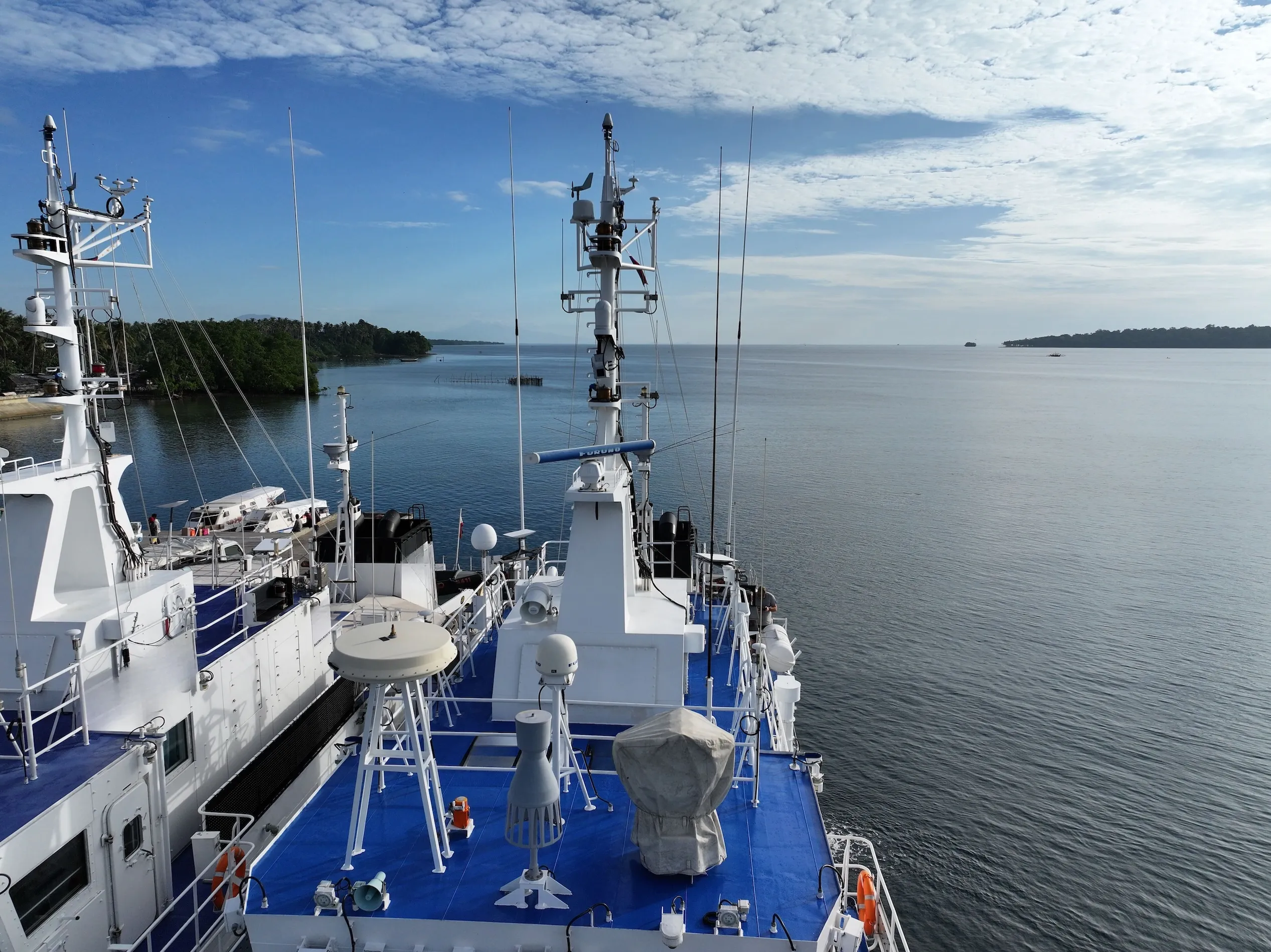
Arlington, Virginia-based startup Quartermaster has raised $42 million in Series A funding to deploy its SmartMast sensor system on commercial vessels. The investment, co-led by First Round Capital and Quiet Capital, provides capital for the company to expand its hardware and analytics platform, which aims to replace the industry-standard Automatic Identification System (AIS) with a more secure and data-rich alternative.
Quartermaster’s SmartMast system comprises weather-hardened sensors, including cameras and radios, installed on ship masts to relay real-time maritime data. This hardware is paired with an analytics platform that interprets the information, creating what the company describes as a "continuous, distributed sensing network" or a "maritime hive mind." The system is designed to offer superior visibility for governments, shipping companies, and insurance providers compared to current tracking methods.
Neil Sobin, founder and chief executive of Quartermaster, described the existing AIS infrastructure as fundamentally flawed. He noted that AIS is an opt-in system where operators enter their own data, making it vulnerable to spoofing or voluntary disengagement. Sobin argued that these vulnerabilities facilitate illicit activities ranging from petty smuggling to sanctions evasion, positioning SmartMast as a more robust solution that is less susceptible to fraud.
The company reports that more than 600 ships equipped with SmartMast have already covered 10 million square miles of ocean. Beyond commercial intelligence, such as identifying other vessels and collecting training data for marine autonomy, the technology has reportedly assisted in over 20 rescues of mariners at sea. Sobin stated that these safety features are central to the company’s strategy of being "pro-mariner," aiming to create incentives for crew members to engage with the technology despite the low-margin nature of fleet operations.
First Round partner Bill Trenchard, who led Uber’s seed round in 2010, highlighted the scalability challenges of maritime hardware. He noted that while many attempts to bring intelligence to the oceans have failed due to the high cost of bespoke equipment, Quartermaster has addressed this barrier. The new funding will be used to hire engineers to advance the technology, with Sobin citing the ocean as a space with significant opportunities for computer vision tasks where individual contributions can have tangible impacts.
